
Contents
- 📊 Introduction to Joseph Stiglitz
- 📚 Early Life and Education
- 💡 Theories and Contributions
- 🌎 Globalization and Its Discontents
- 📊 Critique of Neoliberalism
- 🏛️ Policy Recommendations
- 📝 Literary Works and Awards
- 🌐 Influence and Legacy
- 👥 Criticisms and Controversies
- 🔮 Future of Economics
- 📊 Conclusion
- Frequently Asked Questions
- Related Topics
Overview
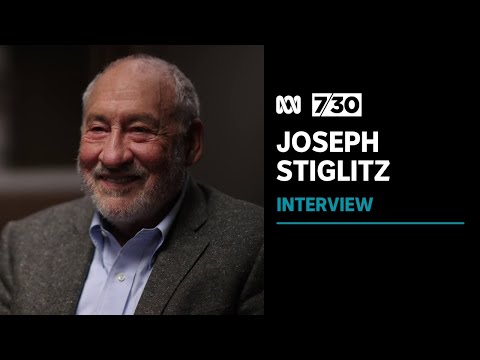
Joseph Stiglitz, a Nobel Prize-winning economist, has been a vocal critic of globalization, free market fundamentalism, and the consequences of economic inequality. His work has challenged the prevailing economic orthodoxy, arguing that markets are not always efficient and that government intervention is often necessary to correct market failures. Stiglitz's influential books, such as 'Globalization and Its Discontents' and 'The Price of Inequality', have sparked intense debates about the role of economics in society. With a Vibe score of 8, Stiglitz's ideas have resonated with many, particularly in the aftermath of the 2008 financial crisis. His critiques of the International Monetary Fund (IMF) and the World Bank have also highlighted the need for more equitable and sustainable economic policies. As a key figure in the global economic discourse, Stiglitz continues to shape the conversation around issues like income inequality, climate change, and the future of capitalism.
📊 Introduction to Joseph Stiglitz
Joseph Stiglitz is a renowned American economist and a leading figure in the New Keynesian Economics movement. Born on February 9, 1943, in Gary, Indiana, Stiglitz has had a profound impact on the field of economics, challenging traditional views and advocating for a more nuanced understanding of economic systems. His work has been widely recognized, including the Nobel Prize in Economics in 2001. Stiglitz's contributions to economics are deeply rooted in his Keynesian Economics background, which emphasizes the role of government intervention in stabilizing the economy. He has also been influenced by the Institutional Economics school of thought, which focuses on the role of institutions in shaping economic outcomes.
📚 Early Life and Education
Stiglitz's early life and education played a significant role in shaping his economic perspectives. He grew up in a family of modest means and was raised in a community that valued education and social responsibility. Stiglitz pursued his undergraduate degree at Amherst College and later earned his Ph.D. in economics from the Massachusetts Institute of Technology (MIT). His academic background and early experiences have been instrumental in shaping his views on Economic Inequality and the need for a more equitable economic system. Stiglitz's work has been influenced by prominent economists such as John Maynard Keynes and Kenneth Arrow, who have contributed significantly to the development of modern economic thought.
💡 Theories and Contributions
Stiglitz's theories and contributions to economics are multifaceted and far-reaching. He is perhaps best known for his work on the Asymmetric Information theory, which challenges the traditional assumption of perfect information in economic markets. This theory has significant implications for our understanding of Market Failure and the role of government intervention in correcting market imperfections. Stiglitz has also made important contributions to the field of Development Economics, highlighting the need for a more nuanced approach to economic development that takes into account the complexities of institutional and social contexts. His work has been influenced by the Washington Consensus, which has shaped the economic policies of many developing countries.
🌎 Globalization and Its Discontents
Stiglitz's views on Globalization and its discontents have been widely debated and discussed. He argues that the current model of globalization has failed to deliver on its promises of increased prosperity and economic growth, and has instead led to rising Income Inequality and social unrest. Stiglitz advocates for a more equitable and sustainable model of globalization that prioritizes the needs of people and the planet over the interests of corporations and financial institutions. His work on globalization has been influenced by the Anti-Globalization Movement, which has highlighted the need for a more critical approach to globalization. Stiglitz has also been influenced by the World Social Forum, which has provided a platform for alternative voices and perspectives on globalization.
📊 Critique of Neoliberalism
Stiglitz is a vocal critic of Neoliberalism and its underlying assumptions about the efficiency of free markets. He argues that the neoliberal agenda has led to a range of negative consequences, including increased economic instability, rising inequality, and environmental degradation. Stiglitz advocates for a more nuanced approach to economic policy that takes into account the complexities of real-world economies and the need for government intervention to correct market failures. His work has been influenced by the Chicago School of Economics, which has shaped the development of neoliberal thought. Stiglitz has also been influenced by the Austrian School of Economics, which has provided an alternative perspective on the role of government in the economy.
🏛️ Policy Recommendations
Stiglitz has made a range of policy recommendations aimed at addressing the challenges facing the global economy. He advocates for a more progressive tax system, increased investment in public goods and services, and a greater emphasis on social and environmental protection. Stiglitz also argues for the need for a more democratic and accountable system of global governance, one that prioritizes the needs and interests of people and the planet over the interests of corporations and financial institutions. His work has been influenced by the United Nations and its efforts to promote sustainable development and human rights. Stiglitz has also been influenced by the International Monetary Fund, which has played a significant role in shaping global economic policy.
📝 Literary Works and Awards
Stiglitz is a prolific writer and has published numerous books and articles on economics and related topics. Some of his most notable works include The Price of Inequality and The Great Divergence, which provide a critical analysis of the current state of the global economy and the need for a more equitable and sustainable economic system. Stiglitz has also written extensively on the topic of Globalization and Its Discontents, highlighting the need for a more nuanced approach to globalization that prioritizes the needs of people and the planet. His work has been recognized with numerous awards, including the Nobel Prize in Economics in 2001.
🌐 Influence and Legacy
Stiglitz's influence and legacy extend far beyond the field of economics. He has been a vocal advocate for social and environmental justice, and has worked tirelessly to promote a more equitable and sustainable economic system. Stiglitz's work has inspired a generation of economists, policymakers, and social activists, and has helped to shape the global debate on issues such as Income Inequality, Climate Change, and Global Governance. His influence can be seen in the work of organizations such as the World Social Forum and the Occupy Wall Street movement, which have highlighted the need for a more critical approach to globalization and economic policy.
👥 Criticisms and Controversies
Despite his many contributions to the field of economics, Stiglitz has not been without his critics. Some have argued that his views on globalization and economic policy are too radical, and that his critiques of neoliberalism are overly simplistic. Others have criticized Stiglitz for his perceived lack of engagement with the Mainstream Economics community, and for his failure to provide a clear alternative to the current economic orthodoxy. Stiglitz has responded to these criticisms by arguing that his work is grounded in a deep understanding of economic theory and a commitment to promoting a more equitable and sustainable economic system. His work has been influenced by the Post-Autistic Economics movement, which has highlighted the need for a more critical approach to economic theory and policy.
🔮 Future of Economics
As the global economy continues to evolve and face new challenges, Stiglitz's work remains highly relevant. He argues that the future of economics will be shaped by a range of factors, including the need for a more sustainable and equitable economic system, the rise of new economic powers such as China and India, and the growing importance of Global Governance. Stiglitz advocates for a more nuanced approach to economic policy that takes into account the complexities of real-world economies and the need for government intervention to correct market failures. His work has been influenced by the G20 and its efforts to promote global economic cooperation and stability.
📊 Conclusion
In conclusion, Joseph Stiglitz is a leading figure in the field of economics, known for his groundbreaking work on asymmetric information and his critiques of neoliberalism. His contributions to economics have been widely recognized, and his influence extends far beyond the field of economics. As the global economy continues to evolve and face new challenges, Stiglitz's work remains highly relevant, and his advocacy for a more equitable and sustainable economic system continues to inspire a new generation of economists, policymakers, and social activists. His work has been influenced by the World Economic Forum, which has provided a platform for global economic leaders to discuss the challenges facing the global economy.
Key Facts
- Year
- 1943
- Origin
- Gary, Indiana, USA
- Category
- Economics
- Type
- Person
Frequently Asked Questions
What is Joseph Stiglitz's most notable contribution to economics?
Joseph Stiglitz's most notable contribution to economics is his work on the asymmetric information theory, which challenges the traditional assumption of perfect information in economic markets. This theory has significant implications for our understanding of market failure and the role of government intervention in correcting market imperfections. Stiglitz's work on asymmetric information has been widely recognized, and he was awarded the Nobel Prize in Economics in 2001 for his contributions to this field.
What is Stiglitz's view on globalization?
Stiglitz is a vocal critic of the current model of globalization, arguing that it has failed to deliver on its promises of increased prosperity and economic growth, and has instead led to rising income inequality and social unrest. He advocates for a more equitable and sustainable model of globalization that prioritizes the needs of people and the planet over the interests of corporations and financial institutions. Stiglitz's work on globalization has been influenced by the Anti-Globalization Movement, which has highlighted the need for a more critical approach to globalization.
What is Stiglitz's critique of neoliberalism?
Stiglitz is a vocal critic of neoliberalism, arguing that it has led to a range of negative consequences, including increased economic instability, rising inequality, and environmental degradation. He argues that the neoliberal agenda has been based on a flawed understanding of the economy, and that it has failed to deliver on its promises of increased prosperity and economic growth. Stiglitz advocates for a more nuanced approach to economic policy that takes into account the complexities of real-world economies and the need for government intervention to correct market failures. His work has been influenced by the Chicago School of Economics, which has shaped the development of neoliberal thought.
What is Stiglitz's policy recommendation for addressing income inequality?
Stiglitz advocates for a range of policies aimed at addressing income inequality, including a more progressive tax system, increased investment in public goods and services, and a greater emphasis on social and environmental protection. He argues that these policies are necessary to promote a more equitable and sustainable economic system, and to reduce the growing gap between the rich and the poor. Stiglitz's work on income inequality has been influenced by the Occupy Wall Street movement, which has highlighted the need for a more critical approach to economic policy.
What is Stiglitz's view on the future of economics?
Stiglitz argues that the future of economics will be shaped by a range of factors, including the need for a more sustainable and equitable economic system, the rise of new economic powers such as China and India, and the growing importance of Global Governance. He advocates for a more nuanced approach to economic policy that takes into account the complexities of real-world economies and the need for government intervention to correct market failures. Stiglitz's work has been influenced by the G20 and its efforts to promote global economic cooperation and stability.
What is Stiglitz's influence on the global debate on economic policy?
Stiglitz's influence on the global debate on economic policy has been significant. His work has inspired a generation of economists, policymakers, and social activists, and has helped to shape the global debate on issues such as income inequality, climate change, and global governance. Stiglitz's advocacy for a more equitable and sustainable economic system has been widely recognized, and his influence can be seen in the work of organizations such as the World Social Forum and the Occupy Wall Street movement.
What is Stiglitz's relationship with other prominent economists?
Stiglitz has worked with and been influenced by a range of prominent economists, including Paul Krugman and Amartya Sen. He has also been critical of the work of other economists, such as Milton Friedman and Alan Greenspan, who have been associated with the neoliberal agenda. Stiglitz's relationships with other economists have been shaped by his commitment to promoting a more equitable and sustainable economic system, and his willingness to challenge the dominant economic orthodoxy.