
Contents
- 🌎 Introduction to Anti-Globalization Movement
- 📊 History of the Movement
- 🌈 Key Players and Organizations
- 📝 Criticisms of Globalization
- 🌍 Impact on Developing Countries
- 🏢 Role of International Institutions
- 📊 Economic Arguments Against Globalization
- 🌎 Environmental Concerns
- 👥 Social Justice and Labor Rights
- 📰 Media Coverage and Public Opinion
- 🔍 Future of the Anti-Globalization Movement
- Frequently Asked Questions
- Related Topics
Overview
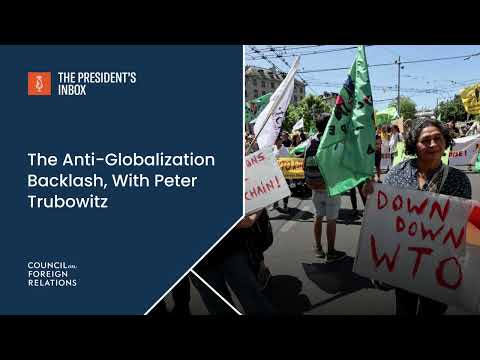
The Anti-Globalization Movement, also known as the Global Justice Movement, is a social movement that emerged in the late 1990s in response to the increasing globalization of the world economy. The movement is characterized by its opposition to neoliberal economic policies, corporate power, and the World Trade Organization (WTO). The movement's goals include promoting social justice, environmental sustainability, and human rights. The Anti-Globalization Movement has been influenced by various social movements, including the civil rights movement and the environmental movement. The movement's tactics have included protests, boycotts, and advocacy for policy changes.
📊 History of the Movement
The history of the Anti-Globalization Movement can be traced back to the Seattle WTO protests in 1999, which marked a turning point in the movement's development. The protests, which were organized by a coalition of labor unions, environmental organizations, and social justice groups, drew attention to the negative impacts of globalization on working-class communities and the environment. The movement gained momentum in the early 2000s, with protests and demonstrations taking place in cities around the world, including Genoa and Cancun. The movement has been influenced by the ideas of Noam Chomsky and Naomi Klein, among others.
🌈 Key Players and Organizations
The Anti-Globalization Movement is comprised of a diverse range of non-governmental organizations (NGOs), labor unions, and social justice groups. Some of the key players in the movement include Greenpeace, Amnesty International, and the International Labor Organization. The movement has also been supported by independent media outlets, such as Democracy Now! and The Guardian. The movement's leaders include Jose Bove and Arundhati Roy, among others. The movement has been influenced by the ideas of Marxism and anarchism.
📝 Criticisms of Globalization
One of the main criticisms of globalization is that it has led to the exploitation of working-class communities and the environment. Critics argue that neoliberal economic policies have created a race to the bottom in terms of labor standards and environmental regulations. The movement has also criticized the World Trade Organization (WTO) for its role in promoting corporate globalization and undermining national sovereignty. The movement has been influenced by the ideas of John Maynard Keynes and Karl Polanyi, among others. The movement has also been critical of the International Monetary Fund (IMF) and the World Bank.
🌍 Impact on Developing Countries
The Anti-Globalization Movement has had a significant impact on developing countries, where the effects of globalization have been particularly pronounced. Critics argue that neoliberal economic policies have led to the exploitation of natural resources and the displacement of indigenous communities. The movement has also criticized the structural adjustment programs imposed by the International Monetary Fund (IMF) and the World Bank, which have led to the privatization of public services and the deregulation of industries. The movement has been influenced by the ideas of dependency theory and world systems theory.
🏢 Role of International Institutions
The Anti-Globalization Movement has been critical of the role of international institutions in promoting corporate globalization. The movement has criticized the World Trade Organization (WTO) for its role in promoting free trade agreements that undermine national sovereignty and labor standards. The movement has also criticized the International Monetary Fund (IMF) and the World Bank for their role in imposing structural adjustment programs on developing countries. The movement has been influenced by the ideas of Immanuel Wallerstein and Samir Amin, among others.
📊 Economic Arguments Against Globalization
The Anti-Globalization Movement has made several economic arguments against globalization. One of the main arguments is that neoliberal economic policies have led to the concentration of wealth among a small elite, while working-class communities have seen their wages and benefits decline. The movement has also argued that free trade agreements have led to the loss of jobs and the decline of industries. The movement has been influenced by the ideas of Keynesian economics and institutional economics. The movement has also been critical of the Washington Consensus and the Chicago School of economics.
🌎 Environmental Concerns
The Anti-Globalization Movement has also been concerned with the environmental impact of globalization. The movement has argued that the exploitation of natural resources and the pollution of the environment are the result of neoliberal economic policies that prioritize profit over sustainability. The movement has also criticized the World Trade Organization (WTO) for its role in promoting free trade agreements that undermine environmental regulations. The movement has been influenced by the ideas of ecological economics and environmental economics.
📰 Media Coverage and Public Opinion
The Anti-Globalization Movement has received significant media coverage over the years, with many mainstream media outlets covering the movement's protests and demonstrations. However, the movement has also been critical of the corporate media for its role in promoting neoliberal economic policies and undermining social justice and labor rights. The movement has been influenced by the ideas of Chomsky and Herman, among others. The movement has also been critical of the propaganda model of communication.
🔍 Future of the Anti-Globalization Movement
The future of the Anti-Globalization Movement is uncertain, but the movement continues to be a significant force in the global justice movement. The movement has been influenced by the ideas of postmodernism and poststructuralism. The movement has also been critical of the neoliberal economic policies and the corporate globalization. The movement has been influenced by the ideas of Hardt and Negri, among others. The movement continues to evolve and adapt to the changing global economy and the global justice movement.
Key Facts
- Year
- 1999
- Origin
- Seattle, USA
- Category
- Politics and Economy
- Type
- Social Movement
Frequently Asked Questions
What is the Anti-Globalization Movement?
The Anti-Globalization Movement is a social movement that emerged in the late 1990s in response to the increasing globalization of the world economy. The movement is characterized by its opposition to neoliberal economic policies, corporate power, and the World Trade Organization (WTO). The movement's goals include promoting social justice, environmental sustainability, and human rights.
What are the main criticisms of globalization?
The main criticisms of globalization include the exploitation of working-class communities and the environment, the concentration of wealth among a small elite, and the erosion of national sovereignty and labor standards.
What is the role of international institutions in promoting corporate globalization?
International institutions such as the World Trade Organization (WTO), the International Monetary Fund (IMF), and the World Bank have been criticized for their role in promoting corporate globalization and undermining national sovereignty and labor standards.
What are the economic arguments against globalization?
The economic arguments against globalization include the concentration of wealth among a small elite, the loss of jobs and the decline of industries, and the exploitation of working-class communities and the environment.
What is the impact of globalization on developing countries?
The impact of globalization on developing countries has been significant, with many countries experiencing the exploitation of natural resources and the displacement of indigenous communities. The movement has also criticized the structural adjustment programs imposed by the International Monetary Fund (IMF) and the World Bank.
What is the future of the Anti-Globalization Movement?
The future of the Anti-Globalization Movement is uncertain, but the movement continues to be a significant force in the global justice movement. The movement has been influenced by the ideas of postmodernism and poststructuralism. The movement has also been critical of the neoliberal economic policies and the corporate globalization.
How has the movement been influenced by other social movements?
The Anti-Globalization Movement has been influenced by various social movements, including the civil rights movement and the environmental movement. The movement has also been influenced by the ideas of Marxism and anarchism.
👥 Social Justice and Labor Rights
The Anti-Globalization Movement has been concerned with the impact of globalization on social justice and labor rights. The movement has argued that neoliberal economic policies have led to the exploitation of working-class communities and the erosion of labor standards. The movement has also criticized the World Trade Organization (WTO) for its role in promoting free trade agreements that undermine national sovereignty and labor rights. The movement has been influenced by the ideas of Marxism and anarchism.