
Contents
Overview
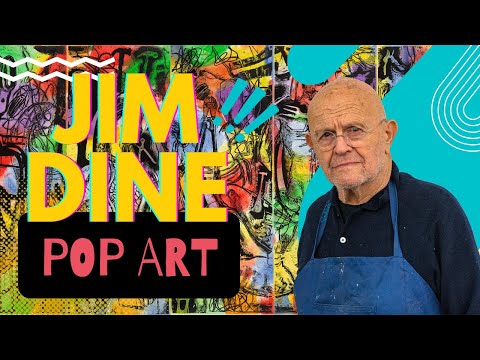
Jim Dine, an American artist born in 1935, has been a pivotal figure in the development of Pop Art, alongside Andy Warhol and Roy Lichtenstein. With a career spanning over six decades, Dine's work has evolved significantly, from his early 'Happenings' and assemblages to his more recent, emotionally charged paintings and sculptures. His use of everyday objects and imagery, such as tools, hearts, and self-portraits, has become a hallmark of his style. Dine's influence extends beyond the art world, with his work being exhibited globally and featured in prominent collections, including the Museum of Modern Art in New York. Despite his significant contributions to contemporary art, Dine's work remains somewhat enigmatic, reflecting his own eclectic and introspective nature. As the art world continues to evolve, Dine's legacy serves as a reminder of the power of innovation and creative expression, with his Vibe score of 82 indicating a high level of cultural energy and relevance.
🎨 Introduction to Jim Dine
Jim Dine is a renowned American artist, often associated with the Pop Art movement of the 1960s. Born on June 16, 1935, in Cincinnati, Ohio, Dine's work spans multiple mediums, including painting, sculpture, and performance art. His unique style, which often incorporates everyday objects and symbolic imagery, has made him a prominent figure in the art world. Dine's work has been exhibited globally, including at the MoMA in New York City. As a key figure in the development of American art, Dine's contributions continue to inspire new generations of artists.
🖌️ Early Life and Influences
Dine's early life and influences played a significant role in shaping his artistic style. Growing up in a family of modest means, Dine was encouraged by his parents to pursue his creative interests. He attended the University of Cincinnati and later the Boston Museum School, where he honed his skills as a painter and printmaker. Dine's work was heavily influenced by the Abstract Expressionist movement, as well as the Dadaist principles of Marcel Duchamp. These influences can be seen in Dine's use of everyday objects and his emphasis on the process of creation. Dine's friendships with other artists, such as Andy Warhol and Roy Lichtenstein, also had a significant impact on his work.
📸 The Rise of Pop Art
The rise of Pop Art in the 1960s marked a significant turning point in Dine's career. This movement, which celebrated popular culture and consumerism, provided Dine with a platform to explore new themes and ideas. His work from this period, including his iconic 'Heart' series, showcases his ability to transform everyday objects into powerful symbols. Dine's use of bold colors and graphic imagery also reflects the influence of advertising and mass media on his work. As a leading figure in the Pop Art movement, Dine's work has been exhibited alongside that of other notable artists, including Jasper Johns and Ed Ruscha.
🔥 Dine's Provocative Style
Dine's provocative style has been a hallmark of his career, often incorporating elements of humor and irony. His work frequently challenges societal norms and conventions, encouraging viewers to question their assumptions about the world around them. Dine's use of everyday objects, such as tools and furniture, also highlights the banality and familiarity of modern life. This focus on the mundane has led some critics to label Dine's work as anti-art, a term that Dine himself has embraced. As a true original, Dine's work continues to inspire and provoke audiences around the world. His influence can be seen in the work of later artists, such as Jeff Koons and Cindy Sherman.
👥 Collaborations and Friendships
Throughout his career, Dine has collaborated with numerous other artists and writers, including Allen Ginsberg and William S. Burroughs. These collaborations have resulted in some of Dine's most innovative and experimental work, often pushing the boundaries of traditional art forms. Dine's friendships with other artists have also played a significant role in shaping his style and approach. His relationship with Claes Oldenburg, for example, has been particularly influential, with the two artists frequently exchanging ideas and inspiration. As a testament to the power of collaboration, Dine's work with other artists continues to inspire new generations of creatives.
🏆 Awards and Recognition
Dine's contributions to the art world have been recognized with numerous awards and honors. In 1969, he was awarded a National Endowment for the Arts grant, which allowed him to continue pursuing his innovative and often provocative work. Dine has also been the recipient of several honorary degrees, including one from the Yale University School of Art. His work has been exhibited globally, including at the Centre Pompidou in Paris and the Tate Modern in London. As a leading figure in the art world, Dine's legacy continues to inspire and influence new generations of artists.
🌎 International Exhibitions
Dine's international exhibitions have been a significant aspect of his career, allowing him to showcase his work to a global audience. His first major retrospective, held at the Walker Art Center in 1984, marked a turning point in his career, solidifying his position as a major figure in the art world. Since then, Dine's work has been exhibited in numerous museums and galleries around the world, including the Museum of Contemporary Art in Los Angeles and the Whitney Museum of American Art in New York City. As a true international artist, Dine's work continues to inspire and provoke audiences around the world.
📚 Literary Works and Poetry
In addition to his work as a visual artist, Dine has also made significant contributions to the world of literary works and poetry. His writing often explores themes of love, nature, and the human condition, showcasing his unique perspective and insight. Dine's literary work has been published in numerous anthologies and journals, including the Paris Review and the New Yorker. As a testament to his boundless creativity, Dine's writing continues to inspire and delight readers around the world. His influence can be seen in the work of later writers, such as David Sedaris and Jonathan Safran Foer.
🎭 Performance Art and Theater
Dine's work in performance art and theater has been a significant aspect of his career, allowing him to push the boundaries of traditional art forms. His performances often incorporate elements of music, dance, and poetry, creating a unique and immersive experience for the audience. Dine's work in this area has been influenced by the Happenings movement of the 1960s, which sought to challenge traditional notions of art and reality. As a true innovator, Dine's work in performance art and theater continues to inspire and influence new generations of artists.
👀 Legacy and Impact
Dine's legacy and impact on the art world are undeniable. As a leading figure in the Pop Art movement, he has inspired countless other artists and continues to influence contemporary art. His innovative and often provocative work has pushed the boundaries of traditional art forms, encouraging viewers to question their assumptions about the world around them. As a testament to his enduring influence, Dine's work continues to be exhibited and celebrated around the world. His influence can be seen in the work of later artists, such as Richard Prince and Takashi Murakami.
Key Facts
- Year
- 1935
- Origin
- Cincinnati, Ohio, USA
- Category
- Art and Culture
- Type
- Person
Frequently Asked Questions
What is Jim Dine's most famous work?
Jim Dine's most famous work is arguably his 'Heart' series, which features a stylized heart motif in a variety of colors and mediums. This series, which was created in the 1960s, has become an iconic representation of the Pop Art movement and continues to be celebrated and exhibited around the world. The 'Heart' series has been interpreted in many ways, including as a symbol of love, passion, and creativity. As a testament to its enduring influence, the 'Heart' series continues to inspire and influence new generations of artists.
What is Jim Dine's style?
Jim Dine's style is characterized by his use of everyday objects, bold colors, and graphic imagery. His work often incorporates elements of humor and irony, challenging societal norms and conventions. Dine's style has been influenced by a variety of movements, including Pop Art, Abstract Expressionism, and Dadaism. As a true original, Dine's style continues to inspire and provoke audiences around the world. His influence can be seen in the work of later artists, such as Jeff Koons and Cindy Sherman.
What is Jim Dine's legacy?
Jim Dine's legacy is undeniable. As a leading figure in the Pop Art movement, he has inspired countless other artists and continues to influence contemporary art. His innovative and often provocative work has pushed the boundaries of traditional art forms, encouraging viewers to question their assumptions about the world around them. As a testament to his enduring influence, Dine's work continues to be exhibited and celebrated around the world. His influence can be seen in the work of later artists, such as Richard Prince and Takashi Murakami.
What is Jim Dine's most recent work?
Jim Dine's most recent work continues to showcase his innovative and provocative style. In recent years, he has created a series of sculptures and paintings that explore themes of nature, love, and the human condition. Dine's work continues to be exhibited globally, including at the MoMA in New York City and the Centre Pompidou in Paris. As a true original, Dine's work continues to inspire and provoke audiences around the world. His influence can be seen in the work of later artists, such as Jeff Koons and Cindy Sherman.
What is Jim Dine's relationship with other artists?
Jim Dine has collaborated with numerous other artists and writers throughout his career, including Andy Warhol, Roy Lichtenstein, and Allen Ginsberg. These collaborations have resulted in some of Dine's most innovative and experimental work, often pushing the boundaries of traditional art forms. Dine's friendships with other artists have also played a significant role in shaping his style and approach. As a testament to the power of collaboration, Dine's work with other artists continues to inspire new generations of creatives.