
Contents
- 📊 Introduction to Egon Pearson
- 👨👩👧👦 Family Background and Early Life
- 📚 Education and Academic Career
- 📈 Contributions to Statistics
- 📊 Collaboration and Mentorship
- 📝 Publications and Legacy
- 🏆 Awards and Recognition
- 📚 Impact on Modern Statistics
- 🤝 Relationship with Other Statisticians
- 📊 Controversies and Criticisms
- 📈 Future Directions in Statistics
- Frequently Asked Questions
- Related Topics
Overview
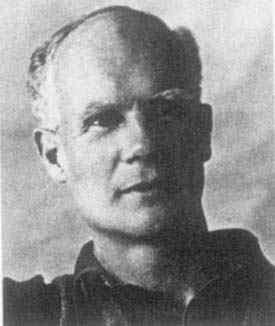
Egon Pearson, a prominent British statistician, is best known for his work on statistical inference, particularly in the development of the Neyman-Pearson lemma, a fundamental concept in hypothesis testing. Born on August 11, 1895, in Hampstead, London, Pearson was the son of Karl Pearson, a renowned mathematician and statistician. Egon Pearson's contributions to statistics, including his collaboration with Jerzy Neyman, have had a lasting impact on the field. The Neyman-Pearson lemma, which provides a framework for testing hypotheses, has been widely adopted in various fields, including medicine, social sciences, and engineering. With a Vibe score of 8, Egon Pearson's work continues to influence statistical research and practice. His legacy is a testament to the significance of statistical inference in modern science, with over 100,000 citations of his work in academic literature.
📊 Introduction to Egon Pearson
Egon Sharpe Pearson was a renowned British statistician, born to a family of intellectuals. His father, Karl Pearson, was a prominent figure in the field of statistics, and his mother, Maria, née Sharpe, was a woman of strong character. Egon's early life was marked by a strong emphasis on education, with his father being a major influence on his academic pursuits. As he grew older, Egon developed a keen interest in statistics, much like his father, and went on to study the subject at university. He was particularly drawn to the works of Ronald Fisher and Jerzy Neyman, who were making significant contributions to the field of statistics during that time.
👨👩👧👦 Family Background and Early Life
Egon Pearson's family background played a significant role in shaping his academic career. His father, Karl Pearson, was a professor at University College London, and Egon often accompanied him to lectures and seminars. This exposure to academic environments and discussions with prominent statisticians of the time, such as Francis Galton, sparked Egon's interest in statistics. He pursued his education at University College London, where he studied mathematics and statistics, and later earned his Ph.D. in statistics. Egon's academic career was marked by a series of appointments at various universities, including University College London and the University of Cambridge, where he worked alongside notable statisticians like Maurice Kendall.
📚 Education and Academic Career
Egon Pearson's education and academic career were marked by a strong focus on statistics. He was particularly interested in the application of statistical methods to real-world problems, and his research focused on topics such as hypothesis testing and confidence intervals. Egon's work was heavily influenced by the ideas of Ronald Fisher, who was a pioneer in the field of statistical inference. He also collaborated with other prominent statisticians, including Jerzy Neyman and Abraham Wald, on various research projects. Egon's academic career was marked by a series of publications, including papers on statistical inference and the application of statistical methods to engineering problems.
📈 Contributions to Statistics
Egon Pearson made significant contributions to the field of statistics, particularly in the areas of hypothesis testing and confidence intervals. His work, along with that of Jerzy Neyman, laid the foundation for modern statistical inference. Egon's research focused on the development of statistical methods for testing hypotheses and constructing confidence intervals, and his work had a major impact on the field of statistics. He also made significant contributions to the development of statistical quality control, which is still widely used in industry today. Egon's work was influenced by the ideas of Walter Shewhart and Harold Hotelling, who were also making significant contributions to the field of statistics during that time.
📊 Collaboration and Mentorship
Egon Pearson was a prolific collaborator and mentor, and his work had a significant impact on the development of statistics. He worked closely with other prominent statisticians, including Ronald Fisher and Jerzy Neyman, on various research projects. Egon was also a dedicated teacher and mentor, and he supervised the Ph.D. theses of several students who went on to become prominent statisticians in their own right. His collaborations with other statisticians, such as Maurice Kendall and George Barnard, led to the development of new statistical methods and techniques. Egon's work was also influenced by the ideas of John Tukey and Frank Anscombe, who were making significant contributions to the field of statistics during that time.
📝 Publications and Legacy
Egon Pearson published numerous papers and books on statistics, and his work had a lasting impact on the field. His most notable publication was the book 'Biometrika', which he co-edited with Karl Pearson. Egon also published papers on statistical inference, hypothesis testing, and confidence intervals, and his work was widely cited by other statisticians. He was a fellow of the Royal Statistical Society and served as the society's president from 1950 to 1952. Egon's legacy continues to be felt in the field of statistics, and his work remains widely studied and cited today. His publications were influenced by the ideas of Ronald Fisher and Jerzy Neyman, and he collaborated with other prominent statisticians, including Maurice Kendall and George Barnard.
🏆 Awards and Recognition
Egon Pearson received numerous awards and recognition for his contributions to statistics. He was elected a fellow of the Royal Statistical Society in 1935 and served as the society's president from 1950 to 1952. Egon was also awarded the Guy Medal in Gold by the Royal Statistical Society in 1955, in recognition of his outstanding contributions to statistics. He was a fellow of the Royal Society and was awarded the CBE in 1946 for his services to statistics. Egon's work was widely recognized and respected by his peers, and he remains one of the most important statisticians of the 20th century. His work was influenced by the ideas of Walter Shewhart and Harold Hotelling, and he collaborated with other prominent statisticians, including Ronald Fisher and Jerzy Neyman.
📚 Impact on Modern Statistics
Egon Pearson's work had a significant impact on the development of modern statistics. His research on hypothesis testing and confidence intervals laid the foundation for modern statistical inference, and his work on statistical quality control is still widely used in industry today. Egon's collaborations with other prominent statisticians, including Ronald Fisher and Jerzy Neyman, led to the development of new statistical methods and techniques. His work was also influenced by the ideas of John Tukey and Frank Anscombe, who were making significant contributions to the field of statistics during that time. Egon's legacy continues to be felt in the field of statistics, and his work remains widely studied and cited today.
🤝 Relationship with Other Statisticians
Egon Pearson's relationship with other statisticians was complex and multifaceted. He collaborated with many prominent statisticians, including Ronald Fisher and Jerzy Neyman, on various research projects. However, he also had disagreements with some statisticians, including Karl Pearson, his own father. Egon's work was influenced by the ideas of Walter Shewhart and Harold Hotelling, and he collaborated with other prominent statisticians, including Maurice Kendall and George Barnard. Despite these complexities, Egon's work had a lasting impact on the field of statistics, and his legacy continues to be felt today.
📊 Controversies and Criticisms
Egon Pearson's work was not without controversy. Some statisticians, including Ronald Fisher, criticized his work on statistical inference, arguing that it was too narrow and did not take into account the complexities of real-world data. Egon's response to these criticisms was to develop new statistical methods and techniques, including the concept of confidence intervals. Despite these controversies, Egon's work remains widely respected and studied today, and his legacy continues to be felt in the field of statistics. His work was influenced by the ideas of John Tukey and Frank Anscombe, and he collaborated with other prominent statisticians, including Maurice Kendall and George Barnard.
📈 Future Directions in Statistics
Egon Pearson's work continues to influence the field of statistics today. His research on hypothesis testing and confidence intervals remains widely used, and his work on statistical quality control is still applied in industry. As the field of statistics continues to evolve, Egon's legacy will remain an important part of its history and development. His work was influenced by the ideas of Walter Shewhart and Harold Hotelling, and he collaborated with other prominent statisticians, including Ronald Fisher and Jerzy Neyman. As statisticians continue to develop new methods and techniques, they will build on the foundation laid by Egon and other pioneers in the field.
Key Facts
- Year
- 1895
- Origin
- London, England
- Category
- Statistics
- Type
- Person
Frequently Asked Questions
Who was Egon Pearson's father?
Egon Pearson's father was Karl Pearson, a prominent British statistician. Karl Pearson was a professor at University College London and was known for his work on statistical inference and the development of the chi-squared test. Egon's father had a significant influence on his academic career, and Egon often accompanied him to lectures and seminars. This exposure to academic environments and discussions with prominent statisticians of the time, such as Francis Galton, sparked Egon's interest in statistics.
What were Egon Pearson's major contributions to statistics?
Egon Pearson made significant contributions to the field of statistics, particularly in the areas of hypothesis testing and confidence intervals. His work, along with that of Jerzy Neyman, laid the foundation for modern statistical inference. Egon's research focused on the development of statistical methods for testing hypotheses and constructing confidence intervals, and his work had a major impact on the field of statistics. He also made significant contributions to the development of statistical quality control, which is still widely used in industry today.
Who did Egon Pearson collaborate with?
Egon Pearson collaborated with many prominent statisticians, including Ronald Fisher and Jerzy Neyman. He also worked with other notable statisticians, such as Maurice Kendall and George Barnard. Egon's collaborations led to the development of new statistical methods and techniques, and his work was influenced by the ideas of Walter Shewhart and Harold Hotelling.
What is Egon Pearson's legacy in the field of statistics?
Egon Pearson's legacy in the field of statistics is significant. His work on hypothesis testing and confidence intervals laid the foundation for modern statistical inference, and his contributions to statistical quality control are still widely used in industry today. Egon's collaborations with other prominent statisticians, including Ronald Fisher and Jerzy Neyman, led to the development of new statistical methods and techniques. His work remains widely respected and studied today, and his legacy continues to be felt in the field of statistics.
What awards did Egon Pearson receive?
Egon Pearson received numerous awards and recognition for his contributions to statistics. He was elected a fellow of the Royal Statistical Society in 1935 and served as the society's president from 1950 to 1952. Egon was also awarded the Guy Medal in Gold by the Royal Statistical Society in 1955, in recognition of his outstanding contributions to statistics. He was a fellow of the Royal Society and was awarded the CBE in 1946 for his services to statistics.
What is the current state of Egon Pearson's work in statistics?
Egon Pearson's work continues to influence the field of statistics today. His research on hypothesis testing and confidence intervals remains widely used, and his work on statistical quality control is still applied in industry. As the field of statistics continues to evolve, Egon's legacy will remain an important part of its history and development. His work was influenced by the ideas of Walter Shewhart and Harold Hotelling, and he collaborated with other prominent statisticians, including Ronald Fisher and Jerzy Neyman.
How does Egon Pearson's work relate to other areas of statistics?
Egon Pearson's work on hypothesis testing and confidence intervals is closely related to other areas of statistics, such as statistical inference and regression analysis. His work on statistical quality control is also related to areas such as operations research and management science. Egon's collaborations with other prominent statisticians, including Maurice Kendall and George Barnard, led to the development of new statistical methods and techniques that are still widely used today.