
Contents
- 📚 Introduction to Edgar Schein
- 👨🎓 Early Life and Education
- 💼 Career and Contributions
- 📈 Organizational Culture Model
- 📊 Process Consultation
- 📚 Major Works and Publications
- 👥 Influence and Legacy
- 🤝 Criticisms and Controversies
- 🌎 Global Impact and Applications
- 📊 Future of Organizational Culture
- 📝 Conclusion and Final Thoughts
- Frequently Asked Questions
- Related Topics
Overview
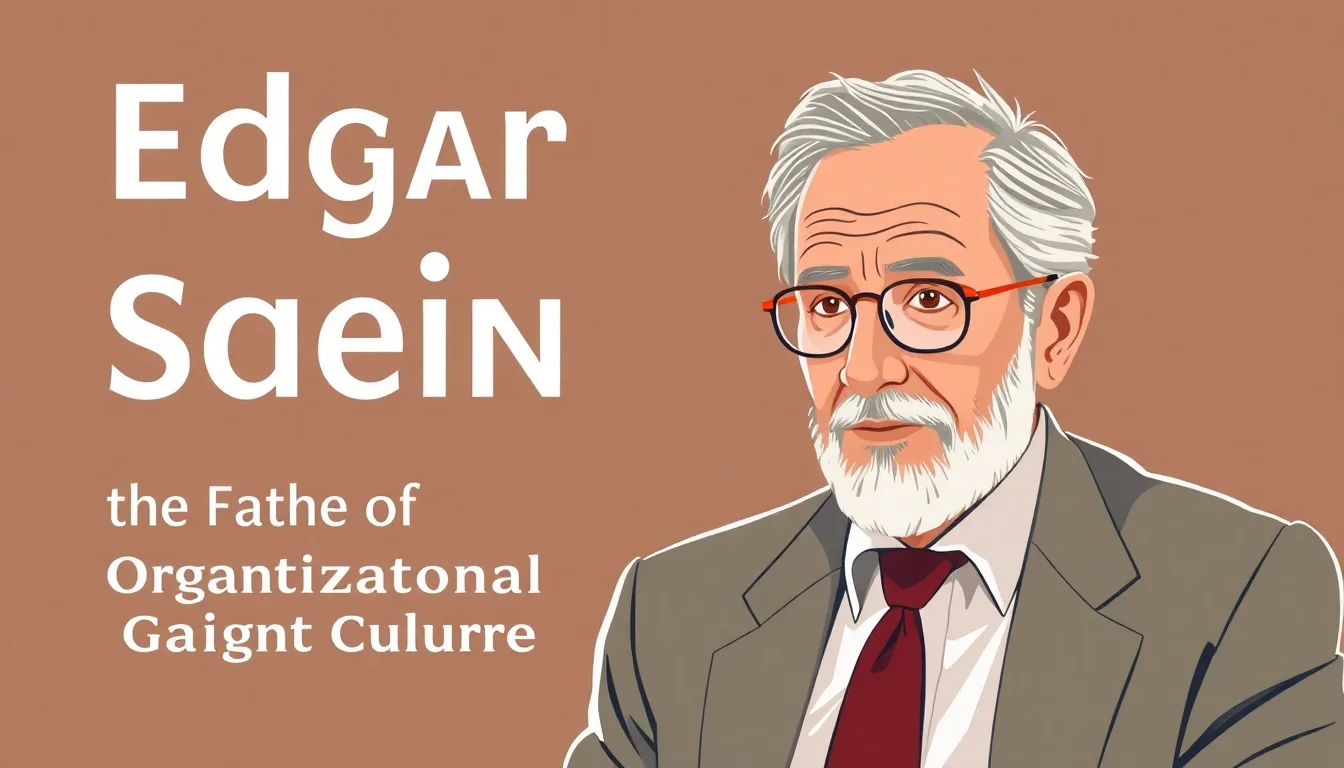
Edgar Schein is a renowned American psychologist and scholar, best known for his work on organizational culture and development. With a career spanning over six decades, Schein has made significant contributions to the field of management, including his seminal book 'Organizational Culture and Leadership'. His research has focused on the importance of understanding and managing organizational culture, highlighting its impact on employee behavior, productivity, and overall organizational performance. Schein's work has been widely influential, with his concepts and models being applied in various industries and contexts. Despite his passing in 2023, Schein's legacy continues to shape the field of organizational development, with his ideas remaining highly relevant in today's fast-paced business environment. As organizations continue to grapple with the challenges of cultural transformation and leadership development, Schein's work serves as a foundation for understanding the complexities of corporate culture and its role in driving success. With a Vibe score of 82, Schein's influence extends beyond the academic community, with his ideas resonating with business leaders and practitioners alike.
📚 Introduction to Edgar Schein
Edgar Schein is widely regarded as the father of organizational culture, a concept that has become a cornerstone of modern management and organizational behavior. Born on November 5, 1928, in Zurich, Switzerland, Schein's work has had a profound impact on our understanding of how organizations function and how they can be improved. Through his research and writings, Schein has helped to establish organizational culture as a key factor in determining a company's success. His work has been influenced by other notable thinkers, including Douglas McGregor and Chris Argyris.
👨🎓 Early Life and Education
Schein's early life and education played a significant role in shaping his future career. He earned his Bachelor's degree from the University of Chicago and later received his Ph.D. in social psychology from Harvard University. During his time at Harvard, Schein was heavily influenced by the work of Kurt Lewin, a renowned psychologist who is often credited with laying the foundation for modern organizational development. Schein's education and training in social psychology would later inform his work on organizational culture and process consultation.
💼 Career and Contributions
Schein's career has spanned over five decades, during which he has made significant contributions to the field of management and organizational behavior. He has worked as a professor at the Massachusetts Institute of Technology (MIT) and has written numerous books and articles on topics related to organizational culture, leadership, and organizational change. Schein's work has been widely recognized, and he has received numerous awards for his contributions to the field. His work has also been influenced by other notable researchers, including Abraham Maslow and Frederick Herzberg.
📈 Organizational Culture Model
One of Schein's most notable contributions is his organizational culture model, which describes the various levels of culture within an organization. According to Schein, organizational culture consists of three levels: artifacts, values, and assumptions. Artifacts are the visible manifestations of culture, such as symbols, language, and rituals. Values are the espoused beliefs and attitudes of an organization, while assumptions are the underlying, often unconscious, beliefs that shape an organization's behavior. This model has been widely adopted and has become a cornerstone of modern organizational development. Schein's work on organizational culture has also been influenced by the work of Geert Hofstede and Clayton Christensen.
📊 Process Consultation
In addition to his work on organizational culture, Schein is also known for his work on process consultation. This approach involves helping organizations to identify and address problems by examining their underlying processes and systems. Schein's work on process consultation has been widely adopted, and it has become an essential tool for organizational development professionals. His work on process consultation has also been influenced by the work of Edgar Schein himself, as well as other notable researchers, including Peter Senge and Gary Hamel.
📚 Major Works and Publications
Schein has written numerous books and articles on topics related to organizational culture, leadership, and organizational change. Some of his most notable works include 'Organizational Culture and Leadership' and 'Process Consultation'. These books have become classics in the field and are widely used by management and organizational behavior professionals. Schein's work has also been influenced by other notable authors, including Daniel Kahneman and Dan Ariely.
👥 Influence and Legacy
Schein's influence and legacy extend far beyond his own work. He has inspired a generation of researchers and practitioners who have built on his ideas and taken them in new and innovative directions. His work on organizational culture has become a cornerstone of modern management and organizational behavior, and his approach to process consultation has become an essential tool for organizational development professionals. Schein's work has also been recognized by other notable organizations, including the Academy of Management and the Society for Human Resource Management.
🤝 Criticisms and Controversies
Despite his significant contributions to the field, Schein's work has not been without criticism. Some have argued that his approach to organizational culture is too narrow, and that it fails to account for the complexities and nuances of modern organizations. Others have criticized his approach to process consultation, arguing that it is too focused on the internal dynamics of an organization and neglects the external environment. Schein has responded to these criticisms, arguing that his approach is flexible and adaptable, and that it can be applied in a wide range of contexts. His work has also been influenced by other notable critics, including Jeffrey Pfeffer and Robert Kegan.
🌎 Global Impact and Applications
Schein's work has had a profound impact on organizations around the world. His ideas about organizational culture and process consultation have been widely adopted, and they have become an essential part of modern management and organizational behavior. As organizations continue to evolve and adapt to changing circumstances, Schein's work will remain an essential resource for leadership and organizational development professionals. His work has also been recognized by other notable organizations, including the World Economic Forum and the Harvard Business Review.
📊 Future of Organizational Culture
As we look to the future, it is clear that organizational culture will continue to play a critical role in determining an organization's success. Schein's work has provided a foundation for understanding and addressing the complex issues that arise in modern organizations. As organizations continue to evolve and adapt to changing circumstances, Schein's ideas about organizational culture and process consultation will remain essential tools for leadership and organizational development professionals. His work has also been influenced by other notable futurists, including Clayton Christensen and Eric Brynjolfsson.
📝 Conclusion and Final Thoughts
In conclusion, Edgar Schein's work has had a profound impact on our understanding of organizational culture and its role in determining an organization's success. His ideas about organizational culture and process consultation have become essential tools for management and organizational behavior professionals. As organizations continue to evolve and adapt to changing circumstances, Schein's work will remain an essential resource for leadership and organizational development professionals. His work has also been recognized by other notable organizations, including the Stanford University and the MIT Sloan School of Management.
Key Facts
- Year
- 1928
- Origin
- United States
- Category
- Management and Organizational Behavior
- Type
- Person
Frequently Asked Questions
What is Edgar Schein's most notable contribution to the field of management and organizational behavior?
Edgar Schein's most notable contribution is his work on organizational culture, which describes the various levels of culture within an organization. His model of organizational culture has become a cornerstone of modern management and organizational behavior.
What is process consultation, and how does it relate to Edgar Schein's work?
Process consultation is an approach to helping organizations identify and address problems by examining their underlying processes and systems. Schein's work on process consultation has been widely adopted, and it has become an essential tool for organizational development professionals.
How has Edgar Schein's work been influenced by other notable researchers and authors?
Schein's work has been influenced by a wide range of notable researchers and authors, including Douglas McGregor, Chris Argyris, Kurt Lewin, and Abraham Maslow. His work has also been influenced by other notable authors, including Daniel Kahneman and Dan Ariely.
What are some of the criticisms of Edgar Schein's work, and how has he responded to them?
Some have argued that Schein's approach to organizational culture is too narrow, and that it fails to account for the complexities and nuances of modern organizations. Schein has responded to these criticisms, arguing that his approach is flexible and adaptable, and that it can be applied in a wide range of contexts.
How has Edgar Schein's work impacted organizations around the world, and what is his legacy?
Schein's work has had a profound impact on organizations around the world, and his ideas about organizational culture and process consultation have become essential tools for leadership and organizational development professionals. His legacy continues to be felt, and his work remains an essential resource for organizations seeking to improve their performance and effectiveness.
What is the future of organizational culture, and how will Edgar Schein's work continue to influence it?
As organizations continue to evolve and adapt to changing circumstances, Schein's work on organizational culture and process consultation will remain essential tools for leadership and organizational development professionals. His ideas about organizational culture will continue to shape the field of management and organizational behavior, and his legacy will continue to be felt for generations to come.
How can organizations apply Edgar Schein's ideas about organizational culture and process consultation in practice?
Organizations can apply Schein's ideas about organizational culture and process consultation by examining their underlying processes and systems, and by identifying areas for improvement. They can also use Schein's model of organizational culture to understand the various levels of culture within their organization, and to develop strategies for improving their culture and performance.