
Contents
- 🔍 Introduction to Peak Flow Meters
- 📊 Understanding Peak Expiratory Flow (PEF) Measurements
- 👨⚕️ Medical Applications of Peak Flow Meters
- 🚨 Asthma Management with Peak Flow Meters
- 📈 How Peak Flow Meters Work
- 👍 Benefits of Using Peak Flow Meters
- 🤝 Comparison with Other Lung Function Tests
- 📊 Interpreting Peak Flow Meter Results
- 📝 Maintaining and Calibrating Peak Flow Meters
- 🌎 Global Usage and Accessibility of Peak Flow Meters
- 📊 Future Developments in Peak Flow Meter Technology
- Frequently Asked Questions
- Related Topics
Overview
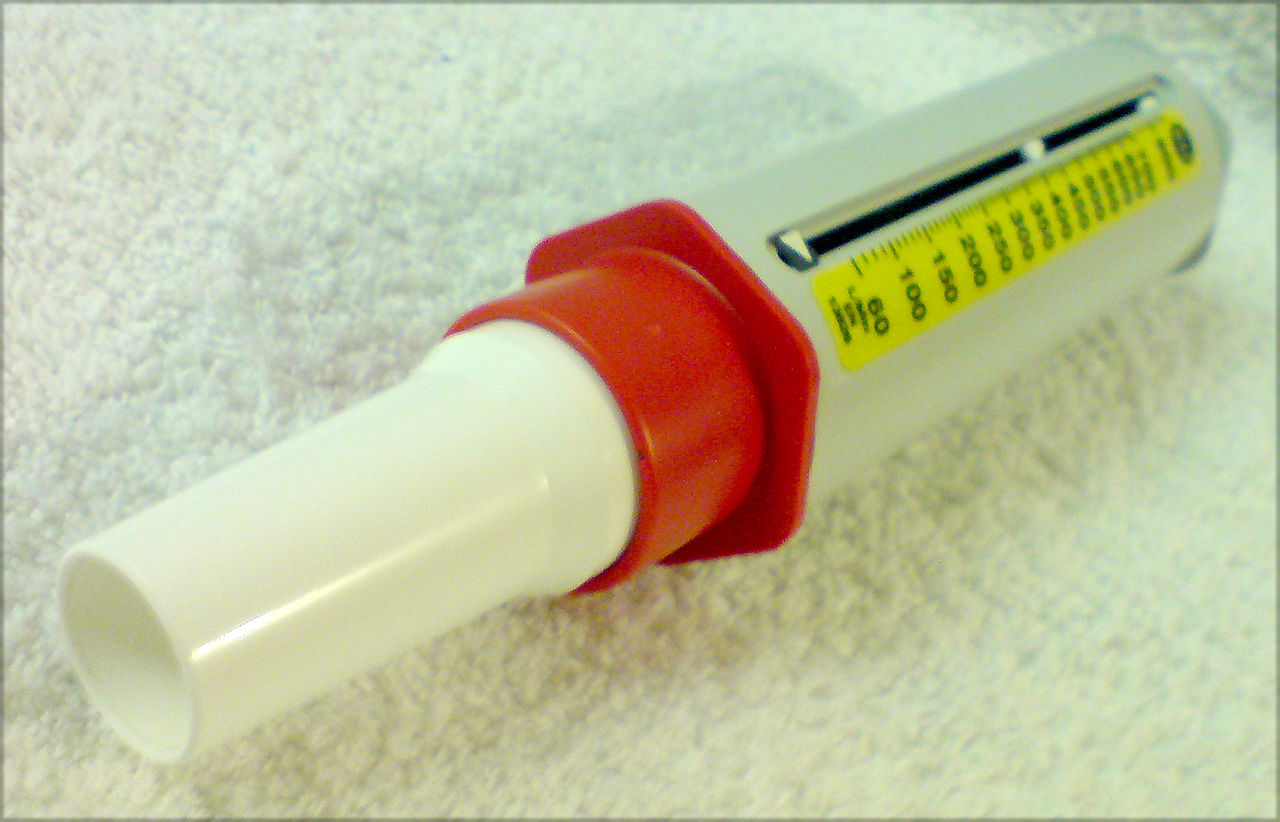
The peak flow meter is a handheld device used to measure the maximum rate of airflow from the lungs, typically in patients with asthma or chronic obstructive pulmonary disease (COPD). Invented by Martin Wright in 1959, the peak flow meter has become an essential tool in respiratory health, allowing patients to monitor their lung function and adjust treatment accordingly. With a vibe rating of 8, the peak flow meter has had a significant impact on the management of respiratory diseases, with over 10 million units sold worldwide. However, controversy surrounds the accuracy of certain models, with some studies suggesting a deviation of up to 20% from actual values. As technology advances, we can expect to see more accurate and user-friendly peak flow meters, potentially integrating with smartphones and wearables. The future of respiratory health management may lie in the development of more sophisticated, AI-powered peak flow meters, capable of detecting subtle changes in lung function and providing personalized treatment recommendations.
🔍 Introduction to Peak Flow Meters
Peak flow meters are small, hand-held devices used to monitor a person's ability to breathe out air, providing a crucial measurement of lung function. The peak expiratory flow (PEF) is a person's maximum speed of expiration, typically measured in units of liters per minute (L/min). This measurement is essential for diagnosing and managing respiratory conditions such as Asthma and Chronic Obstructive Pulmonary Disease (COPD). By using a peak flow meter, individuals can track their lung function and adjust their treatment plans accordingly, in consultation with their Healthcare Provider. Peak flow meters are widely used in Respiratory Medicine and are an essential tool for Pulmonologists and other healthcare professionals. The accuracy of peak flow meters is critical, and regular Calibration is necessary to ensure reliable results.
📊 Understanding Peak Expiratory Flow (PEF) Measurements
Peak expiratory flow (PEF) measurements are a vital component of lung function assessment. The PEF is the maximum speed of expiration, which can be affected by various factors such as airway obstruction, lung disease, and physical condition. By measuring PEF, healthcare professionals can diagnose and monitor respiratory conditions, adjusting treatment plans as needed. Peak flow meters are commonly used to monitor Asthma and Chronic Obstructive Pulmonary Disease (COPD), allowing individuals to track their lung function and respond to changes in their condition. The Global Initiative for Chronic Obstructive Lung Disease (GOLD). provides guidelines for the diagnosis and management of COPD, emphasizing the importance of peak flow measurements. Regular peak flow monitoring can help individuals with respiratory conditions manage their symptoms and improve their quality of life, in conjunction with Pulmonary Rehabilitation programs.
👨⚕️ Medical Applications of Peak Flow Meters
Peak flow meters have numerous medical applications, including diagnosing and managing respiratory conditions such as Asthma, Chronic Obstructive Pulmonary Disease (COPD), and Cystic Fibrosis. These devices are also used to monitor lung function in individuals with Pneumonia and other respiratory infections. By tracking peak expiratory flow (PEF) measurements, healthcare professionals can assess the severity of respiratory conditions and adjust treatment plans accordingly. Peak flow meters are essential tools for Pulmonologists, Respiratory Therapists, and other healthcare professionals involved in Respiratory Care. The American Lung Association provides resources and guidelines for the use of peak flow meters in respiratory care, including Lung Disease management.
🚨 Asthma Management with Peak Flow Meters
Asthma management is a critical application of peak flow meters. By monitoring peak expiratory flow (PEF) measurements, individuals with asthma can track their lung function and respond to changes in their condition. Peak flow meters help individuals with asthma identify potential triggers and adjust their treatment plans accordingly, in consultation with their Healthcare Provider. The National Asthma Education and Prevention Program (NAEPP) provides guidelines for asthma management, emphasizing the importance of peak flow monitoring. Regular peak flow monitoring can help individuals with asthma manage their symptoms, prevent Asthma Attacks, and improve their quality of life, through Asthma Self-Management programs.
📈 How Peak Flow Meters Work
Peak flow meters work by measuring the airflow through the bronchi, providing a direct assessment of lung function. These devices are typically small, hand-held, and easy to use, making them accessible for individuals with respiratory conditions. To use a peak flow meter, an individual takes a deep breath and exhales forcefully through the device, which measures the maximum speed of expiration. The resulting peak expiratory flow (PEF) measurement is typically recorded in units of liters per minute (L/min). Peak flow meters are widely used in Respiratory Medicine and are an essential tool for Pulmonologists and other healthcare professionals, including Respiratory Therapists. The European Respiratory Society provides guidelines for the use of peak flow meters in respiratory care, including Lung Function Testing.
👍 Benefits of Using Peak Flow Meters
The benefits of using peak flow meters are numerous. These devices provide a direct assessment of lung function, allowing individuals with respiratory conditions to track their condition and adjust their treatment plans accordingly. Peak flow meters are also relatively inexpensive and easy to use, making them accessible for individuals with respiratory conditions. By monitoring peak expiratory flow (PEF) measurements, individuals can identify potential triggers and prevent Asthma Attacks and other respiratory complications. Peak flow meters are also useful for monitoring the effectiveness of treatments, such as Bronchodilators and Corticosteroids. The American Thoracic Society provides resources and guidelines for the use of peak flow meters in respiratory care, including Respiratory Disease management.
🤝 Comparison with Other Lung Function Tests
Peak flow meters are often compared to other lung function tests, such as Spirometry and Plethysmography. While these tests provide more detailed information about lung function, peak flow meters are often preferred due to their ease of use and accessibility. Peak flow meters are also less expensive than other lung function tests, making them a more practical option for individuals with respiratory conditions. However, peak flow meters may not provide as detailed information about lung function as other tests, and may not be suitable for all individuals, particularly those with severe respiratory conditions. The British Thoracic Society provides guidelines for the use of peak flow meters in respiratory care, including Lung Function Testing.
📊 Interpreting Peak Flow Meter Results
Interpreting peak flow meter results requires careful consideration of various factors, including the individual's age, sex, and height. Peak expiratory flow (PEF) measurements are typically compared to predicted values, which are based on population averages. A PEF measurement that is significantly lower than the predicted value may indicate a respiratory condition, such as Asthma or Chronic Obstructive Pulmonary Disease (COPD). Healthcare professionals use peak flow meter results to diagnose and manage respiratory conditions, adjusting treatment plans as needed. The Global Initiative for Asthma (GINA) provides guidelines for the interpretation of peak flow meter results, including Asthma Diagnosis and management.
📝 Maintaining and Calibrating Peak Flow Meters
Maintaining and calibrating peak flow meters is essential to ensure accurate results. Peak flow meters should be cleaned and disinfected regularly, and the device should be calibrated according to the manufacturer's instructions. Regular calibration is necessary to ensure that the peak flow meter is providing accurate measurements, which is critical for diagnosing and managing respiratory conditions. The International Organization for Standardization (ISO) provides guidelines for the calibration and maintenance of peak flow meters, including Medical Device Regulation.
🌎 Global Usage and Accessibility of Peak Flow Meters
Peak flow meters are widely used globally, and their accessibility has improved significantly in recent years. These devices are now available in many countries, and their use is promoted by various healthcare organizations, including the World Health Organization (WHO). The WHO provides guidelines for the use of peak flow meters in respiratory care, including Lung Disease management. Peak flow meters are also used in Telemedicine and Remote Monitoring programs, allowing individuals with respiratory conditions to monitor their lung function from the comfort of their own homes.
📊 Future Developments in Peak Flow Meter Technology
Future developments in peak flow meter technology are expected to improve the accuracy and accessibility of these devices. New peak flow meters are being developed with advanced features, such as Wireless Connectivity and Mobile Applications. These features will enable individuals with respiratory conditions to track their lung function more easily and respond to changes in their condition. The National Institutes of Health (NIH) provides funding for research and development of new peak flow meter technologies, including Respiratory Disease management.
Key Facts
- Year
- 1959
- Origin
- UK
- Category
- Medical Devices
- Type
- Medical Device
Frequently Asked Questions
What is a peak flow meter?
A peak flow meter is a small, hand-held device used to measure a person's maximum speed of expiration, providing a direct assessment of lung function. Peak flow meters are widely used in respiratory medicine and are an essential tool for pulmonologists and other healthcare professionals. They are used to diagnose and manage respiratory conditions, such as asthma and chronic obstructive pulmonary disease (COPD). Peak flow meters are relatively inexpensive and easy to use, making them accessible for individuals with respiratory conditions.
How do peak flow meters work?
Peak flow meters work by measuring the airflow through the bronchi, providing a direct assessment of lung function. To use a peak flow meter, an individual takes a deep breath and exhales forcefully through the device, which measures the maximum speed of expiration. The resulting peak expiratory flow (PEF) measurement is typically recorded in units of liters per minute (L/min). Peak flow meters are widely used in respiratory medicine and are an essential tool for pulmonologists and other healthcare professionals.
What are the benefits of using peak flow meters?
The benefits of using peak flow meters are numerous. These devices provide a direct assessment of lung function, allowing individuals with respiratory conditions to track their condition and adjust their treatment plans accordingly. Peak flow meters are also relatively inexpensive and easy to use, making them accessible for individuals with respiratory conditions. By monitoring peak expiratory flow (PEF) measurements, individuals can identify potential triggers and prevent asthma attacks and other respiratory complications.
How are peak flow meter results interpreted?
Interpreting peak flow meter results requires careful consideration of various factors, including the individual's age, sex, and height. Peak expiratory flow (PEF) measurements are typically compared to predicted values, which are based on population averages. A PEF measurement that is significantly lower than the predicted value may indicate a respiratory condition, such as asthma or chronic obstructive pulmonary disease (COPD). Healthcare professionals use peak flow meter results to diagnose and manage respiratory conditions, adjusting treatment plans as needed.
What is the future of peak flow meter technology?
Future developments in peak flow meter technology are expected to improve the accuracy and accessibility of these devices. New peak flow meters are being developed with advanced features, such as wireless connectivity and mobile applications. These features will enable individuals with respiratory conditions to track their lung function more easily and respond to changes in their condition. The National Institutes of Health (NIH) provides funding for research and development of new peak flow meter technologies.
How are peak flow meters maintained and calibrated?
Maintaining and calibrating peak flow meters is essential to ensure accurate results. Peak flow meters should be cleaned and disinfected regularly, and the device should be calibrated according to the manufacturer's instructions. Regular calibration is necessary to ensure that the peak flow meter is providing accurate measurements, which is critical for diagnosing and managing respiratory conditions. The International Organization for Standardization (ISO) provides guidelines for the calibration and maintenance of peak flow meters.
What are the limitations of peak flow meters?
Peak flow meters have several limitations. They may not provide as detailed information about lung function as other tests, such as spirometry and plethysmography. Peak flow meters may also not be suitable for all individuals, particularly those with severe respiratory conditions. Additionally, peak flow meters require regular calibration and maintenance to ensure accurate results. Despite these limitations, peak flow meters remain a valuable tool for diagnosing and managing respiratory conditions.