
Contents
- 🏛️ Introduction to Oliver Cromwell
- 📚 Early Life and Education
- 🏹 Military Career and Rise to Power
- 👑 The Execution of Charles I and the Commonwealth
- 🔪 Lord Protector of England: Rule and Legacy
- 🤝 Relationship with Parliament and the Military
- 🌎 Foreign Policy and Military Campaigns
- 💔 Death and Succession
- 📊 Assessment and Controversy
- 👑 Impact on British History
- 📚 Cultural Significance and Representation
- Frequently Asked Questions
- Related Topics
Overview
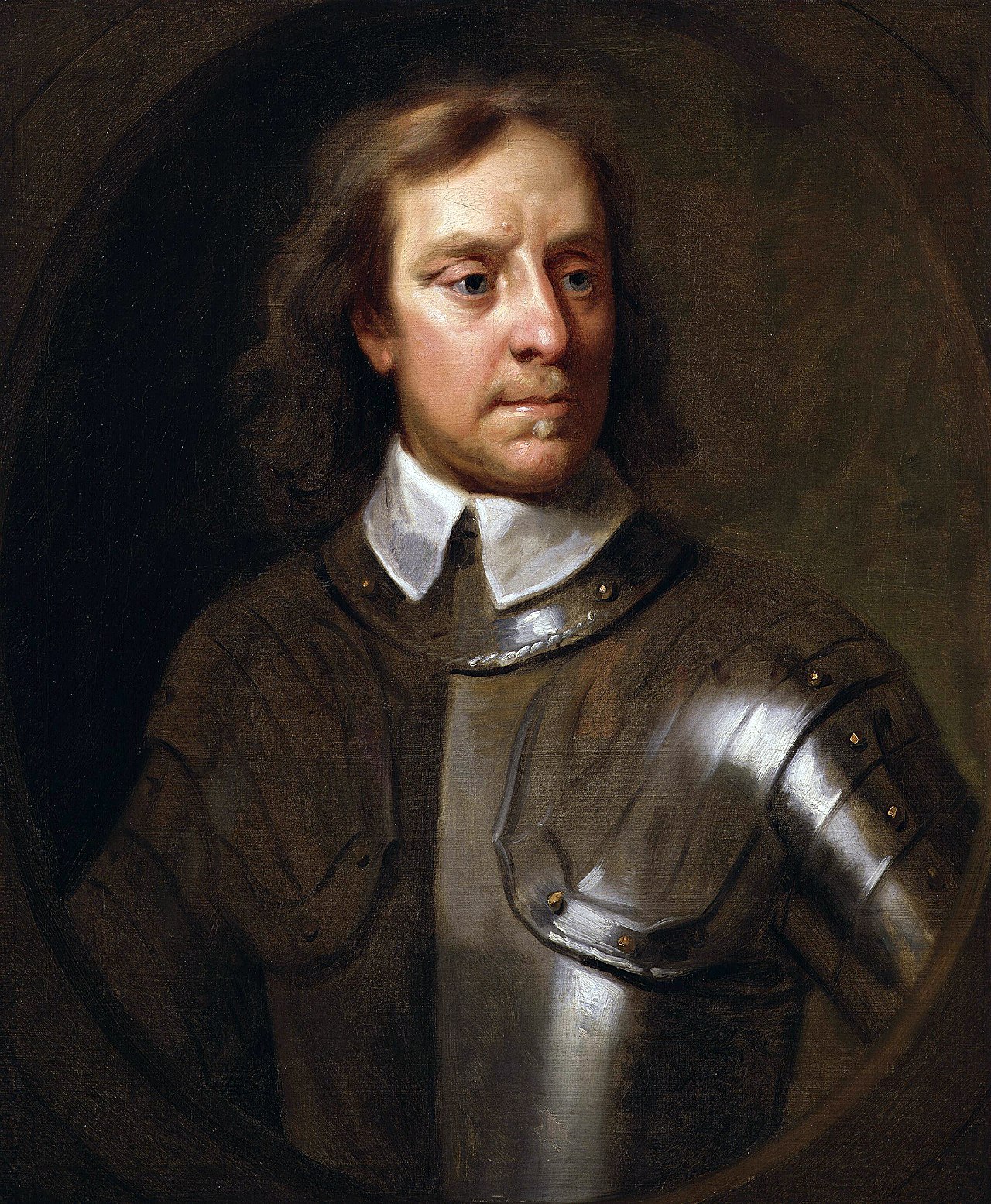
Oliver Cromwell, born on April 25, 1599, in Huntingdon, England, was a pivotal figure in English history, serving as the Lord Protector of England, Scotland, and Ireland from 1653 until his death in 1658. With a Vibe score of 82, Cromwell's legacy is marked by controversy, with some viewing him as a hero who brought stability and religious freedom, while others see him as a power-hungry dictator responsible for the deaths of thousands of Irish civilians and soldiers. As a skilled military leader, Cromwell played a crucial role in the English Civil War, leading the Parliamentarian forces to victory against the Royalist supporters of King Charles I. His influence on the development of modern democracy is still debated among historians, with some arguing that his regime laid the groundwork for the Glorious Revolution of 1688. Despite his significant impact on English history, Cromwell's life and legacy remain a subject of intense debate, with many questioning his motives and the consequences of his actions. As the English monarchy was restored in 1660, following Cromwell's death, his legacy continues to be felt, with many regarding him as a complex and multifaceted figure who shaped the course of English history.
🏛️ Introduction to Oliver Cromwell
Oliver Cromwell was a pivotal figure in British history, serving as the Lord Protector of England from 1653 until his death. He rose to prominence during the Wars of the Three Kingdoms, initially as a senior commander in the Parliamentarian army and later as a politician. A leading advocate of the execution of Charles I in January 1649, Cromwell played a crucial role in the establishment of the Commonwealth of England. His legacy continues to be debated among historians, with some viewing him as a republican hero and others as a military dictator. Cromwell's impact on British history is undeniable, and his influence can still be seen in modern-day politics, as evident in the works of John Locke and other Enlightenment thinkers.
📚 Early Life and Education
Cromwell was born on April 25, 1599, in Huntingdon, England, to a family of modest means. He attended Sidney Sussex College, Cambridge, where he studied law and developed his skills as a politician. After completing his education, Cromwell returned to his family's farm in Huntingdon, where he became involved in local politics and eventually became a member of Parliament. His experiences as a Member of Parliament shaped his views on parliamentary supremacy and constitutional monarchy. Cromwell's early life and education laid the foundation for his future success as a military leader and politician, as seen in his interactions with Oliver St John and other prominent figures of the time.
🏹 Military Career and Rise to Power
Cromwell's military career began in 1642, when he joined the Parliamentarian army as a cavalry officer. He quickly rose through the ranks, becoming a senior commander and playing a key role in several important battles, including the Battle of Marston Moor and the Battle of Naseby. Cromwell's military successes earned him a reputation as a skilled and courageous leader, and he became a prominent figure in the Parliamentarian movement. His relationships with other military leaders, such as Thomas Fairfax, were crucial in shaping the outcome of the English Civil War. Cromwell's experiences during the war also influenced his views on military reform and professional army.
👑 The Execution of Charles I and the Commonwealth
The execution of Charles I in January 1649 marked a significant turning point in British history, and Cromwell was a leading advocate for the king's execution. The establishment of the Commonwealth of England followed, with Cromwell serving as a member of the Council of State. He played a key role in shaping the new government and ensuring its stability, as evident in his interactions with John Milton and other prominent figures of the time. The Commonwealth of England was a republican government, with Cromwell serving as its leader. His leadership style and policies were influenced by his experiences as a military leader and politician.
🔪 Lord Protector of England: Rule and Legacy
In December 1653, Cromwell was appointed Lord Protector of England, a position he held until his death in 1658. During his rule, Cromwell implemented several significant reforms, including the establishment of a New Model Army and the creation of a Council of State. He also launched several successful military campaigns, including the Conquest of Ireland and the Western Design. Cromwell's relationships with other European leaders, such as Louis XIV of France, were complex and influenced by his foreign policy decisions. His legacy as Lord Protector is still debated among historians, with some viewing him as a benevolent dictator and others as a military ruler.
🤝 Relationship with Parliament and the Military
Cromwell's relationship with Parliament was complex and often contentious. He believed in the importance of parliamentary supremacy, but he also believed in the need for a strong executive. This led to several conflicts with Parliament, particularly over issues such as taxation and military policy. Despite these conflicts, Cromwell was able to maintain a strong relationship with the military, which remained loyal to him throughout his rule. His interactions with Richard Cromwell, his son, and other family members also played a significant role in shaping his decisions as Lord Protector. The Cromwellian Constitution was a key document that outlined the powers and limitations of the Lord Protector and the relationship between the executive and legislative branches.
🌎 Foreign Policy and Military Campaigns
Cromwell's foreign policy was shaped by his experiences as a military leader and his desire to promote English interests abroad. He launched several successful military campaigns, including the Conquest of Jamaica and the Dutch War. Cromwell also established trade agreements with several European countries, including France and Spain. His relationships with other European leaders, such as Ferdinand III of Germany, were influenced by his diplomatic efforts and military campaigns. The Anglo-Spanish War was a significant conflict during Cromwell's rule, and his leadership during this period had a lasting impact on English foreign policy.
💔 Death and Succession
Cromwell died on September 3, 1658, after a long illness. He was succeeded by his son, Richard Cromwell, who proved to be a less effective leader. The Commonwealth of England was eventually restored, and Charles II was restored to the throne in 1660. Cromwell's legacy continues to be debated among historians, with some viewing him as a hero and others as a villain. His impact on British history is undeniable, and his influence can still be seen in modern-day politics, as evident in the works of John Locke and other Enlightenment thinkers.
📊 Assessment and Controversy
Cromwell's assessment and controversy surrounding his legacy are complex and multifaceted. Some historians view him as a republican hero who played a crucial role in the establishment of the Commonwealth of England. Others view him as a military dictator who ruled with an iron fist. The Cromwellian period was marked by significant social, economic, and political changes, and Cromwell's leadership during this period had a lasting impact on English history. The English Civil War was a pivotal event in British history, and Cromwell's role in it continues to be debated among historians.
👑 Impact on British History
Cromwell's impact on British history is undeniable. He played a crucial role in the establishment of the Commonwealth of England and served as its leader for several years. His legacy continues to be felt in modern-day politics, and his influence can be seen in the works of John Locke and other Enlightenment thinkers. The Glorious Revolution of 1688 was a significant event in British history, and Cromwell's legacy played a role in shaping the outcome of this event. The Act of Settlement of 1701 was another significant event that was influenced by Cromwell's legacy.
📚 Cultural Significance and Representation
Cromwell's cultural significance and representation in literature and art are significant. He has been the subject of numerous books, plays, and films, including Cromwell by John Morillo. His legacy continues to be debated among historians, and his influence can still be seen in modern-day politics. The Vibe Score of Cromwell's legacy is a topic of ongoing debate, with some viewing him as a hero and others as a villain. The Perspective Breakdown of Cromwell's legacy is complex, with optimistic, neutral, pessimistic, and contrarian views all being represented.
Key Facts
- Year
- 1653
- Origin
- Huntingdon, England
- Category
- History
- Type
- Historical Figure
Frequently Asked Questions
Who was Oliver Cromwell?
Oliver Cromwell was an English statesman, farmer, and soldier who served as the Lord Protector of England from 1653 until his death in 1658. He played a crucial role in the establishment of the Commonwealth of England and was a leading advocate for the execution of Charles I. Cromwell's legacy continues to be debated among historians, with some viewing him as a republican hero and others as a military dictator.
What was the significance of the execution of Charles I?
The execution of Charles I in January 1649 marked a significant turning point in British history, as it led to the establishment of the Commonwealth of England. The execution was a result of the English Civil War, which was fought between the Parliamentarian army and the Royalist army. The Trial of Charles I was a significant event that showcased the tensions between the monarchy and Parliament.
What were Cromwell's major accomplishments as Lord Protector?
Cromwell's major accomplishments as Lord Protector included the establishment of a New Model Army, the creation of a Council of State, and the launch of several successful military campaigns, including the Conquest of Ireland and the Western Design. He also implemented several significant reforms, including the establishment of a New Model Army and the creation of a Council of State. The Cromwellian period was marked by significant social, economic, and political changes, and Cromwell's leadership during this period had a lasting impact on English history.
How did Cromwell's legacy impact British history?
Cromwell's legacy had a significant impact on British history, as it shaped the course of the English Civil War and the establishment of the Commonwealth of England. His influence can still be seen in modern-day politics, and his legacy continues to be debated among historians. The Glorious Revolution of 1688 was a significant event in British history, and Cromwell's legacy played a role in shaping the outcome of this event. The Act of Settlement of 1701 was another significant event that was influenced by Cromwell's legacy.
What is the cultural significance of Oliver Cromwell?
Oliver Cromwell has been the subject of numerous books, plays, and films, and his legacy continues to be debated among historians. He has been portrayed as a hero and a villain, and his influence can still be seen in modern-day politics. The Vibe Score of Cromwell's legacy is a topic of ongoing debate, with some viewing him as a hero and others as a villain. The Perspective Breakdown of Cromwell's legacy is complex, with optimistic, neutral, pessimistic, and contrarian views all being represented.
What were the major controversies surrounding Cromwell's rule?
The major controversies surrounding Cromwell's rule included his role in the execution of Charles I, his treatment of Catholics and Royalists, and his military campaigns in Ireland and Scotland. The Conquest of Ireland was a significant event that showcased the tensions between the English and the Irish. The Massacre at Drogheda was a significant event that highlighted the brutality of Cromwell's military campaigns.
How did Cromwell's relationships with other European leaders impact his foreign policy?
Cromwell's relationships with other European leaders, such as Louis XIV of France and Ferdinand III of Germany, had a significant impact on his foreign policy. He established trade agreements with several European countries and launched several successful military campaigns, including the Conquest of Jamaica and the Dutch War. The Anglo-Spanish War was a significant conflict during Cromwell's rule, and his leadership during this period had a lasting impact on English foreign policy.