
Contents
- 🏰 Introduction to Charles II
- 📆 Early Life and Exile
- 👑 The Restoration of 1660
- 🔥 The Great Fire of London and the Plague
- 🤝 Relationship with Parliament
- 🚫 The Exclusion Crisis
- 🕊️ Foreign Policy and the Treaty of Dover
- 👴 Later Life and Legacy
- 📚 Cultural Significance and the Restoration Period
- 👑 Comparison to Other Monarchs
- Frequently Asked Questions
- Related Topics
Overview
Charles II, who ruled England, Scotland, and Ireland from 1660 to 1685, is a figure of immense historical significance. His reign, known as the Restoration period, was marked by significant events such as the Great Fire of London in 1666 and the Great Plague in 1665. Charles II's relationships with parliament were tumultuous, with the king often finding himself at odds with the legislative body over issues like taxation and religious tolerance. The king's personal life was also subject to scrutiny, with his numerous mistresses and illegitimate children causing controversy. Despite these challenges, Charles II managed to maintain a level of popularity among his subjects, earning him a vibe score of 7 out of 10. His influence can still be seen in modern British politics and culture, with many historians regarding him as one of the most important figures in English history. The controversy surrounding his reign, including his handling of the Popish Plot and the Exclusion Crisis, continues to be debated among historians today.
🏰 Introduction to Charles II
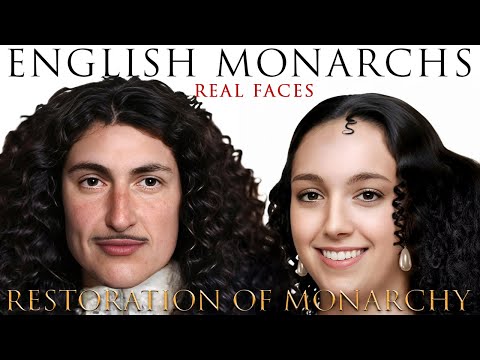
Charles II, also known as the 'Merry Monarch', was the King of England, Scotland, and Ireland from 1660 to 1685. He is best known for his role in the Restoration of the monarchy after the Interregnum period. Charles II was the eldest son of Charles I and Henrietta Maria. He was born on May 29, 1630, in London. Charles II's early life was marked by the English Civil War, which led to the execution of his father in 1649. He was forced to flee to France and later to Netherlands, where he spent several years in exile. During this time, he developed strong relationships with other European monarchs, including Louis XIV of France.
📆 Early Life and Exile
Charles II's early life and exile played a significant role in shaping his future as a monarch. He was educated in France and Netherlands, where he developed a strong appreciation for the arts and culture. He also developed a network of allies and supporters, including John Evelyn and Samuel Pegge. In 1651, Charles II attempted to regain the throne by invading Scotland, but he was defeated at the Battle of Worcester. He was forced to flee to France, where he spent several years in exile. During this time, he developed a strong relationship with Louis XIV of France, who would later become a key ally.
👑 The Restoration of 1660
The Restoration of 1660 marked the beginning of Charles II's reign as King of England, Scotland, and Ireland. He was restored to the throne after the death of Oliver Cromwell and the collapse of the Interregnum government. Charles II's restoration was facilitated by General Monck, who marched on London and restored the monarchy. Charles II was crowned king on April 23, 1661, at Westminster Abbey. He faced significant challenges during his early reign, including the Great Plague of London and the Great Fire of London.
🔥 The Great Fire of London and the Plague
The Great Fire of London and the Great Plague of London were two significant events that occurred during Charles II's reign. The Great Fire of London occurred in 1666 and destroyed much of the city. Charles II played a key role in the rebuilding of London, which was facilitated by the Rebuilding of London Act. The Great Plague of London occurred in 1665 and killed an estimated 100,000 people. Charles II and his court were forced to flee London to avoid the plague. The plague had a significant impact on the economy and society of England, and it led to significant changes in the way that the government responded to public health crises.
🤝 Relationship with Parliament
Charles II's relationship with Parliament was complex and often contentious. He was forced to navigate the competing interests of different factions within Parliament, including the Cavaliers and the Roundheads. Charles II also faced significant opposition from the Whigs, who were opposed to his Tory policies. Despite these challenges, Charles II was able to maintain a strong relationship with Parliament and to pass several significant pieces of legislation, including the Test Act and the Habeas Corpus Act.
🚫 The Exclusion Crisis
The Exclusion Crisis was a significant event that occurred during Charles II's reign. It was sparked by the attempt to exclude Charles II's brother, James II, from the throne due to his Catholicism. The crisis was fueled by the Popish Plot, which was a supposed Catholic plot to assassinate Charles II. The Exclusion Crisis led to significant tensions between Charles II and Parliament, and it ultimately contributed to the Glorious Revolution of 1688.
🕊️ Foreign Policy and the Treaty of Dover
Charles II's foreign policy was marked by several significant events, including the Treaty of Dover. The Treaty of Dover was a secret treaty between Charles II and Louis XIV of France, in which Charles II agreed to convert to Catholicism in exchange for significant financial support. The treaty was never implemented, but it led to significant tensions between Charles II and Parliament. Charles II also faced significant challenges in his relationships with other European monarchs, including the Dutch Republic.
👴 Later Life and Legacy
Charles II's later life and legacy are complex and multifaceted. He died on February 6, 1685, and was succeeded by his brother, James II. Charles II's legacy is marked by several significant achievements, including the Restoration of the monarchy and the rebuilding of London. He is also remembered for his Mistresses, including Nell Gwynn and Louis de Kerouaille. Charles II's legacy has been the subject of significant debate and controversy, with some historians viewing him as a absolutist monarch and others viewing him as a constitutional monarch.
📚 Cultural Significance and the Restoration Period
The Restoration period was a significant cultural and historical period that occurred during Charles II's reign. It was marked by several significant cultural and artistic achievements, including the development of Restoration comedy and the Restoration theatre. The Restoration period was also marked by significant scientific and philosophical developments, including the work of Isaac Newton and John Locke.
👑 Comparison to Other Monarchs
Charles II's legacy can be compared to that of other monarchs, including Charles I and James II. He is often viewed as a more effective and popular monarch than his father, who was executed in 1649. Charles II's legacy is also often compared to that of Louis XIV of France, who was a significant ally and rival during his reign. Charles II's relationships with other monarchs, including John III Sobieski of Poland, were also significant and complex.
Key Facts
- Year
- 1660
- Origin
- England
- Category
- History
- Type
- Historical Figure
Frequently Asked Questions
Who was Charles II and what was his significance in English history?
Charles II was the King of England, Scotland, and Ireland from 1660 to 1685. He is best known for his role in the Restoration of the monarchy after the Interregnum period. Charles II's significance in English history is complex and multifaceted, and he is often viewed as a key figure in the development of the constitutional monarchy.
What were the major challenges faced by Charles II during his reign?
Charles II faced several significant challenges during his reign, including the Great Fire of London and the Great Plague of London. He also faced significant opposition from Parliament and from other European monarchs, including Louis XIV of France.
What was the significance of the [[treaty_of_dover|Treaty of Dover]] in Charles II's foreign policy?
The Treaty of Dover was a secret treaty between Charles II and Louis XIV of France, in which Charles II agreed to convert to Catholicism in exchange for significant financial support. The treaty was never implemented, but it led to significant tensions between Charles II and Parliament.
How did Charles II's relationships with his [[mistresses|Mistresses]] impact his reign?
Charles II's relationships with his Mistresses, including Nell Gwynn and Louis de Kerouaille, had a significant impact on his reign. His relationships with his mistresses were often tumultuous and led to significant tensions within the royal court.
What was the significance of the [[restoration_period|Restoration period]] in English history?
The Restoration period was a significant cultural and historical period that occurred during Charles II's reign. It was marked by several significant cultural and artistic achievements, including the development of Restoration comedy and the Restoration theatre.