
Contents
- 📈 Introduction to Neoclassical Economic Theory
- 📊 The Supply and Demand Model
- 👥 Rational Choice Theory and Its Applications
- 💸 The Role of Utility and Profit Maximization
- 📝 Criticisms and Challenges to Neoclassical Economics
- 🌎 Globalization and the Impact of Neoclassical Economics
- 📚 The Influence of Neoclassical Economics on Policy-Making
- 🤝 The Relationship Between Neoclassical Economics and Other Economic Theories
- 📊 The Mathematical Foundations of Neoclassical Economics
- 📝 The Evolution of Neoclassical Economic Thought
- 🌐 The Future of Neoclassical Economics in a Changing World
- Frequently Asked Questions
- Related Topics
Overview
Neoclassical economic theory, which emerged in the late 19th century, is built on the concept of rational choice and the idea that individuals and businesses make decisions based on complete information and self-interest. This theory, developed by economists such as Alfred Marshall, Carl Menger, and Léon Walras, posits that markets tend towards equilibrium, where supply equals demand. However, critics argue that neoclassical economics oversimplifies human behavior, neglects the role of power and institutions, and fails to account for market failures and externalities. The theory has been influential in shaping economic policy, but its limitations have also led to the development of alternative approaches, such as Keynesian economics and behavioral economics. With a vibe rating of 6, neoclassical economic theory remains a fundamental concept in economics, but its relevance and accuracy are continually debated. As of 2023, the theory continues to evolve, incorporating new insights from psychology, sociology, and other fields, and its influence can be seen in the work of economists such as Joseph Stiglitz and Amartya Sen, who have challenged and refined the theory.
📈 Introduction to Neoclassical Economic Theory
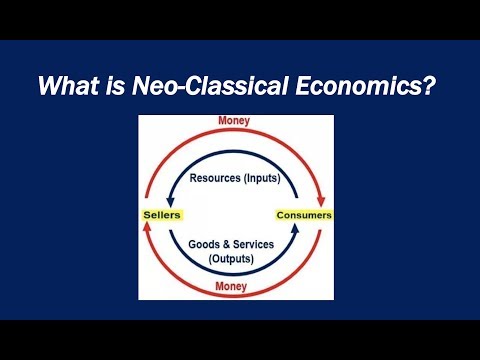
Neoclassical economic theory is a fundamental concept in the field of economics, which emphasizes the role of supply and demand in determining the prices of goods and services. This approach is based on the idea that individuals and firms make rational decisions to maximize their utility and profits, respectively. As discussed in Rational Choice Theory, this concept is central to understanding neoclassical economics. The Supply and Demand Model is a key component of neoclassical economics, as it explains how the prices of goods and services are determined. The History of Economic Thought also provides valuable insights into the development of neoclassical economics.
📊 The Supply and Demand Model
The supply and demand model is a crucial aspect of neoclassical economic theory, as it explains how the prices of goods and services are determined. According to this model, the price of a good or service is determined by the intersection of the supply and demand curves. As discussed in Microeconomics, this model is used to analyze the behavior of individual markets. The Law of Diminishing Returns is also an important concept in neoclassical economics, as it explains how the production costs of firms increase as they produce more output. The Theory of Consumer Behavior provides further insights into how individuals make decisions about what goods and services to purchase.
👥 Rational Choice Theory and Its Applications
Rational choice theory is a fundamental concept in neoclassical economics, as it explains how individuals and firms make decisions to maximize their utility and profits. As discussed in Game Theory, this concept is used to analyze the behavior of individuals and firms in different situations. The Principle of Comparative Advantage is also an important concept in neoclassical economics, as it explains how countries can benefit from trade by specializing in the production of goods and services in which they have a comparative advantage. The Theory of Firm Behavior provides further insights into how firms make decisions about production and pricing.
💸 The Role of Utility and Profit Maximization
The role of utility and profit maximization is central to neoclassical economic theory. According to this approach, individuals and firms make decisions to maximize their utility and profits, respectively. As discussed in Welfare Economics, this concept is used to evaluate the overall well-being of society. The Concept of Opportunity Cost is also an important concept in neoclassical economics, as it explains how individuals and firms make decisions about how to allocate their resources. The Theory of General Equilibrium provides further insights into how the economy as a whole reaches a state of equilibrium.
📝 Criticisms and Challenges to Neoclassical Economics
Despite its influence, neoclassical economics has faced numerous criticisms and challenges. As discussed in Criticisms of Neoclassical Economics, some critics argue that the approach is too simplistic and fails to account for the complexity of real-world economic systems. The Post-Keynesian Economics approach, for example, emphasizes the importance of uncertainty and instability in economic systems. The Institutional Economics approach also provides a different perspective on the role of institutions in shaping economic outcomes.
🌎 Globalization and the Impact of Neoclassical Economics
Neoclassical economics has had a significant impact on globalization, as it has shaped the way countries approach trade and economic development. As discussed in International Trade, the concept of comparative advantage has been used to justify free trade agreements and the reduction of trade barriers. The Globalization Debate also highlights the potential benefits and drawbacks of globalization. The Role of Institutions in Economic Development provides further insights into how institutions can shape economic outcomes in different countries.
📚 The Influence of Neoclassical Economics on Policy-Making
Neoclassical economics has also had a significant influence on policy-making, as it has shaped the way governments approach economic policy. As discussed in Fiscal Policy, the concept of utility maximization has been used to justify tax cuts and other policies aimed at stimulating economic growth. The Monetary Policy approach also provides a different perspective on the role of central banks in shaping economic outcomes. The Public Choice Theory provides further insights into how governments make decisions about economic policy.
🤝 The Relationship Between Neoclassical Economics and Other Economic Theories
Neoclassical economics is not the only approach to economics, and it has been influenced by and has influenced other economic theories. As discussed in Keynesian Economics, the concept of aggregate demand has been used to challenge the neoclassical approach. The Marxist Economics approach also provides a different perspective on the role of class and exploitation in shaping economic outcomes. The Feminist Economics approach provides further insights into how gender shapes economic outcomes and how economic policies can be designed to promote greater equality.
📊 The Mathematical Foundations of Neoclassical Economics
The mathematical foundations of neoclassical economics are based on the concept of optimization, which is used to analyze the behavior of individuals and firms. As discussed in Mathematical Economics, the use of mathematical models has been used to formalize the neoclassical approach and to analyze the behavior of economic systems. The Econometrics approach also provides a different perspective on the use of statistical methods to analyze economic data. The Computational Economics approach provides further insights into how computational models can be used to analyze complex economic systems.
📝 The Evolution of Neoclassical Economic Thought
Neoclassical economic thought has evolved over time, and it has been shaped by the contributions of many economists. As discussed in History of Economic Thought, the concept of utility maximization has been central to the neoclassical approach since its inception. The Biography of Alfred Marshall provides further insights into the life and work of one of the most influential economists of the 20th century. The Biography of Milton Friedman also provides insights into the life and work of another influential economist.
🌐 The Future of Neoclassical Economics in a Changing World
The future of neoclassical economics is uncertain, and it will likely be shaped by the challenges and criticisms that it faces. As discussed in Future of Economics, the concept of sustainability has been used to challenge the neoclassical approach and to promote a more environmentally conscious approach to economic development. The Role of Technology in Economic Development provides further insights into how technology can be used to promote economic growth and development. The Global Economic Governance approach provides a different perspective on the role of international institutions in shaping economic outcomes.
Key Facts
- Year
- 1870
- Origin
- Europe
- Category
- Economics
- Type
- Economic Theory
Frequently Asked Questions
What is neoclassical economic theory?
Neoclassical economic theory is an approach to economics that emphasizes the role of supply and demand in determining the prices of goods and services. It is based on the idea that individuals and firms make rational decisions to maximize their utility and profits, respectively. As discussed in Rational Choice Theory, this concept is central to understanding neoclassical economics. The Supply and Demand Model is a key component of neoclassical economics, as it explains how the prices of goods and services are determined.
What are the key components of neoclassical economic theory?
The key components of neoclassical economic theory include the supply and demand model, rational choice theory, and the concept of utility and profit maximization. As discussed in Microeconomics, the supply and demand model is used to analyze the behavior of individual markets. The Law of Diminishing Returns is also an important concept in neoclassical economics, as it explains how the production costs of firms increase as they produce more output.
What are the criticisms of neoclassical economic theory?
Neoclassical economic theory has faced numerous criticisms and challenges, including the argument that it is too simplistic and fails to account for the complexity of real-world economic systems. As discussed in Criticisms of Neoclassical Economics, some critics argue that the approach is too focused on the individual and neglects the role of institutions and social structures in shaping economic outcomes. The Post-Keynesian Economics approach, for example, emphasizes the importance of uncertainty and instability in economic systems.
How has neoclassical economic theory influenced policy-making?
Neoclassical economic theory has had a significant influence on policy-making, as it has shaped the way governments approach economic policy. As discussed in Fiscal Policy, the concept of utility maximization has been used to justify tax cuts and other policies aimed at stimulating economic growth. The Monetary Policy approach also provides a different perspective on the role of central banks in shaping economic outcomes.
What is the future of neoclassical economic theory?
The future of neoclassical economic theory is uncertain, and it will likely be shaped by the challenges and criticisms that it faces. As discussed in Future of Economics, the concept of sustainability has been used to challenge the neoclassical approach and to promote a more environmentally conscious approach to economic development. The Role of Technology in Economic Development provides further insights into how technology can be used to promote economic growth and development.
How does neoclassical economic theory relate to other economic theories?
Neoclassical economic theory is not the only approach to economics, and it has been influenced by and has influenced other economic theories. As discussed in Keynesian Economics, the concept of aggregate demand has been used to challenge the neoclassical approach. The Marxist Economics approach also provides a different perspective on the role of class and exploitation in shaping economic outcomes.
What are the mathematical foundations of neoclassical economic theory?
The mathematical foundations of neoclassical economic theory are based on the concept of optimization, which is used to analyze the behavior of individuals and firms. As discussed in Mathematical Economics, the use of mathematical models has been used to formalize the neoclassical approach and to analyze the behavior of economic systems. The Econometrics approach also provides a different perspective on the use of statistical methods to analyze economic data.