
Contents
- 🏛️ Introduction to Napoleon III
- 👑 The Rise to Power
- 🔨 Industrialization and Infrastructure
- 🚂 Expansion of French Influence
- 👴 The Bonaparte Legacy
- 📊 Economic Reforms and Growth
- 🤝 Foreign Policy and Diplomacy
- 🚫 Controversies and Criticisms
- 📆 The Fall of the Second Empire
- 👀 Lasting Impact and Legacy
- Frequently Asked Questions
- Related Topics
Overview
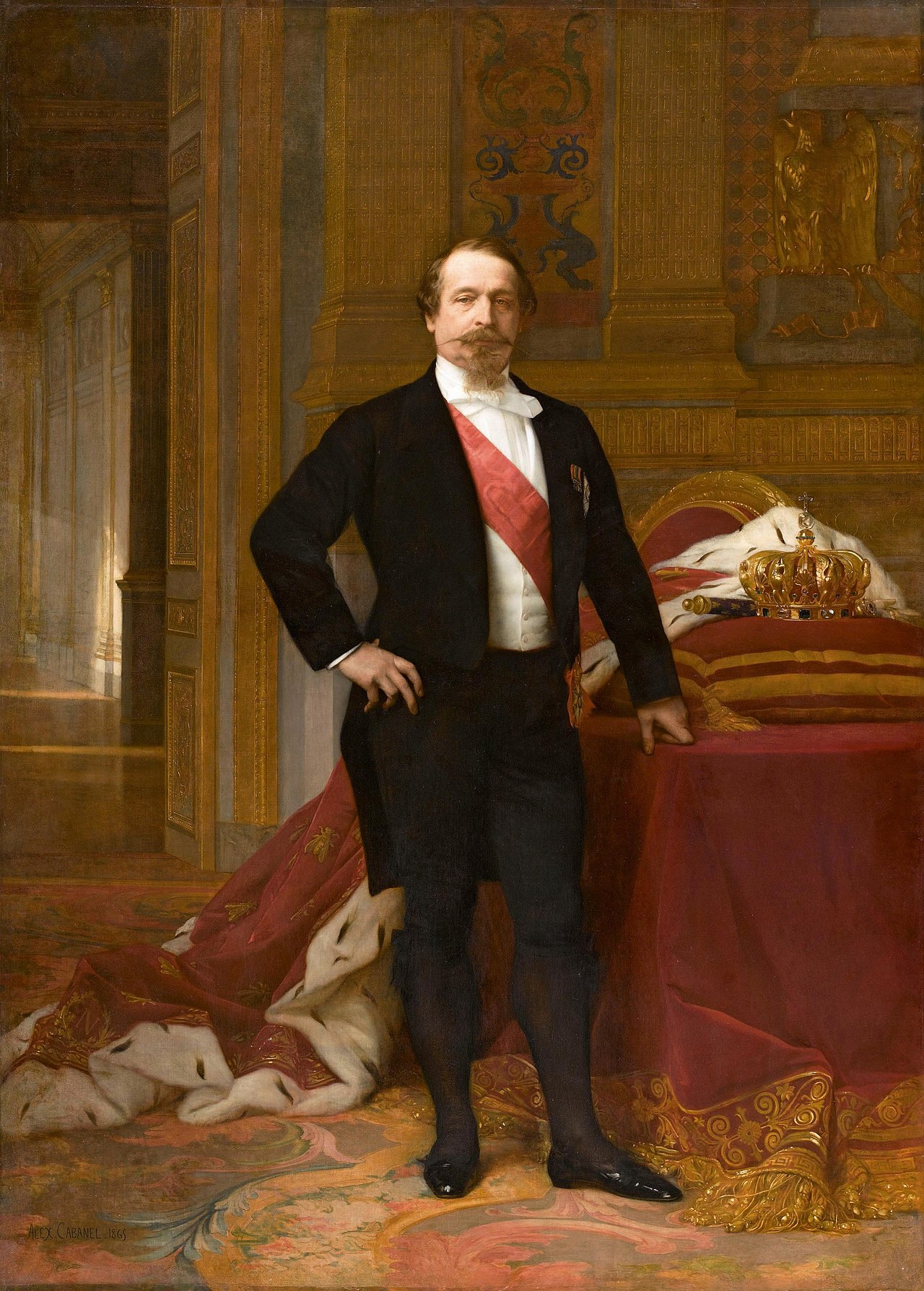
Napoleon III, also known as Louis-Napoleon Bonaparte, was a pivotal figure in French history, serving as President of France from 1848 to 1852 and then as Emperor of the French from 1852 until his deposition in 1870. As the first president, second emperor, and last monarch of France, he played a significant role in shaping the country's future. His reign saw the creation of the Second French Empire in 1852, which was marked by rapid industrialization in France, expansion of infrastructure, and a rise in French influence in world politics. He was the son of Louis Bonaparte, King of Holland, and the nephew of Napoleon, Emperor of the French. As head of state of France for 22 years, he was the longest-reigning French head of state since the end of the ancien régime.
👑 The Rise to Power
Napoleon III's rise to power was a remarkable story, marked by his election as President of France in 1848. He was a charismatic leader who promised to bring stability and prosperity to France, which had been plagued by decades of instability. His leadership style was characterized by a mix of authoritarianism and populism, which helped him to maintain power and implement his policies. He was influenced by the ideas of socialism and liberalism, but also believed in the importance of a strong centralized state. His vision for France was one of modernization and growth, which he achieved through a series of economic reforms and infrastructure projects. He was also a skilled diplomat, able to navigate the complex web of European politics and forge alliances with other nations, including the United Kingdom.
🔨 Industrialization and Infrastructure
One of the most significant achievements of Napoleon III's reign was the rapid industrialization of France. He invested heavily in the development of infrastructure, including roads, railways, and canals. This helped to stimulate economic growth and transform France into a major industrial power. The construction of the Suez Canal, which was completed in 1869, was a major engineering feat that connected Europe to Asia and cemented France's position as a global leader. Napoleon III also encouraged the growth of industry through a series of economic reforms, including the establishment of the Banque de France and the introduction of a new French franc. He was a strong supporter of free trade and believed in the importance of international cooperation to promote economic growth. His policies helped to establish France as a major economic power, and his legacy continued to shape the country's economy for generations to come.
🚂 Expansion of French Influence
Napoleon III's expansion of French influence in world politics was another significant aspect of his reign. He was a skilled diplomat who was able to navigate the complex web of European politics and forge alliances with other nations. He played a key role in the Crimean War, which was fought between Russia and an alliance of France, Britain, and the Ottoman Empire. He also supported the unification of Italy, which was led by Giuseppe Garibaldi and Victor Emmanuel II. His foreign policy was characterized by a mix of realism and idealism, as he sought to promote French interests while also supporting the principles of nationalism and liberalism. He was a strong supporter of the Austro-Prussian War, which was fought between Austria and Prussia in 1866. His policies helped to establish France as a major world power, and his legacy continued to shape the country's foreign policy for generations to come.
👴 The Bonaparte Legacy
Napoleon III's legacy is complex and multifaceted, reflecting both the achievements and the controversies of his reign. He was a member of the Bonaparte family, which had a long and complex history in French politics. His uncle, Napoleon, had been a brilliant military leader who had risen to power during the French Revolution. Napoleon III sought to emulate his uncle's achievements, but his own reign was marked by a series of controversies and criticisms. He was accused of being authoritarian and power-hungry, and his regime was criticized for its suppression of opposition and its restrictions on civil liberties. Despite these criticisms, Napoleon III remains an important figure in French history, and his legacy continues to shape the country's politics and culture. He was a strong supporter of education and arts, and his reign saw a flourishing of cultural and intellectual life in France.
📊 Economic Reforms and Growth
Napoleon III's economic reforms and growth were significant achievements of his reign. He introduced a series of policies aimed at stimulating economic growth, including the establishment of the Banque de France and the introduction of a new French franc. He also invested heavily in the development of infrastructure, including roads, railways, and canals. These policies helped to establish France as a major industrial power, and his legacy continued to shape the country's economy for generations to come. He was a strong supporter of free trade and believed in the importance of international cooperation to promote economic growth. His policies helped to establish France as a major economic power, and his legacy continued to shape the country's economy for generations to come. He was also a skilled diplomat, able to navigate the complex web of European politics and forge alliances with other nations, including the United Kingdom.
🤝 Foreign Policy and Diplomacy
Napoleon III's foreign policy and diplomacy were significant aspects of his reign. He was a skilled diplomat who was able to navigate the complex web of European politics and forge alliances with other nations. He played a key role in the Crimean War, which was fought between Russia and an alliance of France, Britain, and the Ottoman Empire. He also supported the unification of Italy, which was led by Giuseppe Garibaldi and Victor Emmanuel II. His foreign policy was characterized by a mix of realism and idealism, as he sought to promote French interests while also supporting the principles of nationalism and liberalism. He was a strong supporter of the Austro-Prussian War, which was fought between Austria and Prussia in 1866. His policies helped to establish France as a major world power, and his legacy continued to shape the country's foreign policy for generations to come.
🚫 Controversies and Criticisms
Napoleon III's reign was not without controversy, and he faced significant criticisms and challenges during his time in power. He was accused of being authoritarian and power-hungry, and his regime was criticized for its suppression of opposition and its restrictions on civil liberties. He was also criticized for his handling of the Franco-Prussian War, which was fought between France and Prussia in 1870. The war was a disaster for France, and it led to the downfall of Napoleon III's regime. Despite these criticisms, Napoleon III remains an important figure in French history, and his legacy continues to shape the country's politics and culture. He was a strong supporter of education and arts, and his reign saw a flourishing of cultural and intellectual life in France.
📆 The Fall of the Second Empire
The fall of the Second Empire was a significant event in French history, marking the end of Napoleon III's reign and the beginning of a new era in French politics. The Franco-Prussian War was a disaster for France, and it led to the downfall of Napoleon III's regime. The war was fought between France and Prussia, and it ended with the defeat of France and the capture of Napoleon III. The war marked the end of the Second Empire and the beginning of the Third French Republic. Napoleon III was exiled to England, where he died in 1873. His legacy continued to shape French politics and culture, and he remains an important figure in French history.
👀 Lasting Impact and Legacy
Napoleon III's lasting impact and legacy are complex and multifaceted, reflecting both the achievements and the controversies of his reign. He was a significant figure in French history, and his legacy continues to shape the country's politics and culture. He was a strong supporter of education and arts, and his reign saw a flourishing of cultural and intellectual life in France. He was also a skilled diplomat, able to navigate the complex web of European politics and forge alliances with other nations. His policies helped to establish France as a major industrial power, and his legacy continued to shape the country's economy for generations to come. Despite the criticisms and controversies of his reign, Napoleon III remains an important figure in French history, and his legacy continues to shape the country's politics and culture.
Key Facts
- Year
- 1808
- Origin
- Paris, France
- Category
- History
- Type
- Historical Figure
Frequently Asked Questions
Who was Napoleon III?
Napoleon III was the President of France from 1848 to 1852 and then Emperor of the French from 1852 until his deposition in 1870. He was the first president, second emperor, and last monarch of France. He was a member of the Bonaparte family and the nephew of Napoleon, Emperor of the French. He played a significant role in shaping French history and his legacy continues to shape the country's politics and culture.
What were Napoleon III's significant achievements?
Napoleon III's significant achievements include the creation of the Second French Empire, the rapid industrialization of France, and the expansion of French influence in world politics. He also invested heavily in the development of infrastructure, including roads, railways, and canals, and introduced a series of economic reforms, including the establishment of the Banque de France and the introduction of a new French franc.
What were the criticisms of Napoleon III's reign?
Napoleon III's reign was criticized for its authoritarianism and suppression of opposition. He was accused of being power-hungry and his regime was criticized for its restrictions on civil liberties. He was also criticized for his handling of the Franco-Prussian War, which was a disaster for France and led to the downfall of his regime.
What was the significance of the Second Empire?
The Second Empire was a significant period in French history, marked by the creation of the Second French Empire and the reign of Napoleon III. It was a time of rapid industrialization and expansion of French influence in world politics. The Second Empire was also marked by a series of controversies and criticisms, including the authoritarianism and suppression of opposition of Napoleon III's regime.
How did Napoleon III's legacy shape French history?
Napoleon III's legacy continues to shape French history, reflecting both the achievements and the controversies of his reign. He was a significant figure in French history, and his policies helped to establish France as a major industrial power. His legacy continues to shape the country's politics and culture, and he remains an important figure in French history.