
Contents
Overview
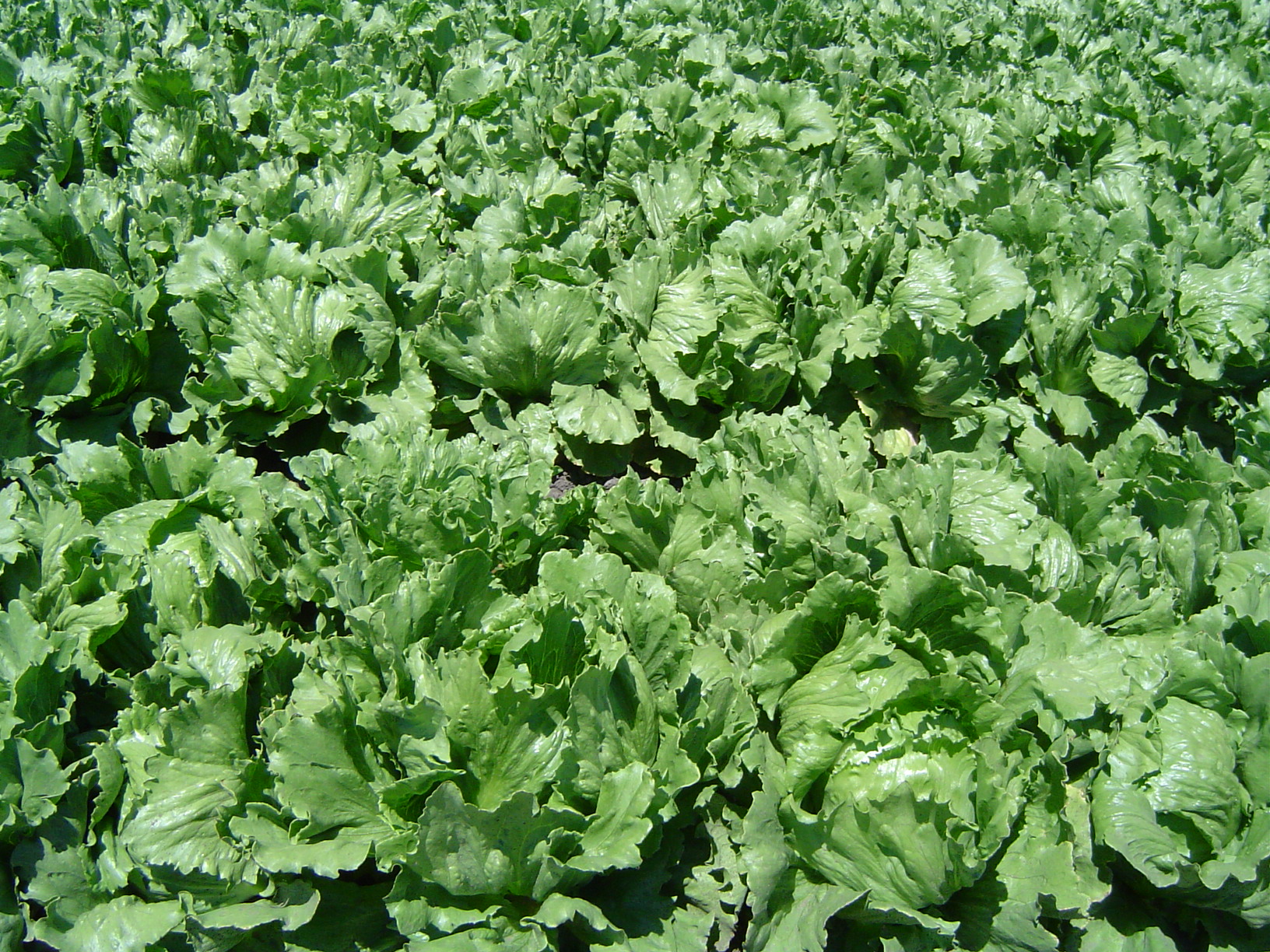
Lettuce is an annual plant of the family Asteraceae, grown as a leaf vegetable and used in various dishes, from salads and sandwiches to soups and grilled meals. With a rich history dating back to ancient Egypt, lettuce has become a global crop, with China leading production in 2023. Lettuce is not only a nutritious food but also has cultural and medicinal significance, with its stem and seeds sometimes used in cooking. The versatility of lettuce has made it a staple in many cuisines, and its health benefits have been recognized for centuries. As a low-calorie, high-fiber food, lettuce is an excellent addition to a healthy diet. With its widespread consumption and production, lettuce has become an integral part of modern agriculture and cuisine. The global production of lettuce has increased significantly over the years, with the world producing 28 million tonnes of lettuce and chicory in 2023. Lettuce is a crop that is easy to grow and can be cultivated in a variety of environments, making it a popular choice for farmers and home gardeners alike.
🌱 Origins & History
Lettuce has a long and storied history, dating back to ancient Egypt, where it was first cultivated as a crop for its seeds, which were used to produce oil. The Egyptians are credited with transforming lettuce into a leafy green, which was then adopted by the Greeks and Romans. Today, lettuce is grown and consumed worldwide, with China leading production in 2023. The history of lettuce is closely tied to the development of agriculture and trade, with the crop being introduced to new regions and cultures through the centuries. For example, the Romans played a significant role in spreading lettuce throughout Europe, while the Arabs introduced it to Asia. Lettuce has also been influenced by other cultures, such as the Chinese, who have developed their own unique varieties and uses for the crop.
🥗 How It's Used
Lettuce is a versatile crop that can be used in a variety of dishes, from salads and sandwiches to soups and grilled meals. Its leaves are most often used raw, but it can also be cooked or grilled to bring out its natural sweetness. Lettuce is a good source of fiber, vitamins, and minerals, making it a nutritious addition to a healthy diet. The Mayo Clinic recommends eating a variety of leafy greens, including lettuce, to reduce the risk of chronic diseases such as heart disease and diabetes. Lettuce is also low in calories and high in water content, making it a popular choice for those looking to manage their weight. Additionally, lettuce is a good source of antioxidants, which can help protect against cell damage and reduce inflammation.
📊 Key Facts & Numbers
In 2023, world production of lettuce (and chicory) was 28 million tonnes, led by China with 53% of the total. The United States, Europe, and Japan are also significant producers of lettuce. Lettuce is a crop that is easy to grow and can be cultivated in a variety of environments, making it a popular choice for farmers and home gardeners alike. The United States Department of Agriculture provides resources and support for farmers looking to grow lettuce and other crops. Lettuce is also a significant crop for the European Union, with many countries in the region producing and consuming large quantities of the crop.
🌿 Types of Lettuce
There are several types of lettuce, including romaine, iceberg, and butter lettuce. Each type has its own unique characteristics and uses, and some are better suited to certain dishes or cooking methods. For example, romaine lettuce is often used in salads, while iceberg lettuce is commonly used in sandwiches and burgers. The National Institutes of Health has conducted research on the nutritional benefits of different types of lettuce, and has found that they all have unique health benefits. Lettuce is also a versatile crop that can be used in a variety of dishes, from salads to soups.
🌎 Cultural Significance
Lettuce has cultural and medicinal significance in many parts of the world. In ancient Greece, lettuce was considered a symbol of fertility and was used in rituals and ceremonies. In China, lettuce is a symbol of good luck and prosperity, and is often served at special occasions such as weddings and holidays. The World Health Organization has recognized the importance of leafy greens like lettuce in promoting public health and preventing chronic diseases. Lettuce has also been used in traditional medicine for centuries, with the ancient Greeks using it to treat a variety of ailments, including insomnia and indigestion.
🌟 Current State & Latest Developments
Today, lettuce is a global crop, with production and consumption spread throughout the world. The rise of urban agriculture and community gardens has also led to an increase in local lettuce production, with many cities and towns now growing their own lettuce and other crops. The Food and Agriculture Organization of the United Nations has recognized the importance of urban agriculture in promoting food security and sustainable development. Lettuce is also a popular crop for hydroponics and other forms of indoor agriculture, which can provide a sustainable and efficient way to produce the crop.
🤝 Controversies & Debates
Despite its many benefits, lettuce has also been the subject of controversy and debate. Some have raised concerns about the environmental impact of large-scale lettuce production, including the use of pesticides and water pollution. Others have questioned the nutritional value of lettuce, citing its low calorie and protein content. The Environmental Protection Agency has implemented regulations to reduce the environmental impact of agriculture, including the use of pesticides and fertilizers. Lettuce has also been the subject of recalls and outbreaks, with the Centers for Disease Control and Prevention issuing warnings about the risk of foodborne illness from contaminated lettuce.
🌱 Future Outlook & Predictions
Looking to the future, lettuce is likely to continue to play an important role in global agriculture and cuisine. With the rise of urban agriculture and community gardens, there is a growing trend towards local and sustainable food production, which could lead to an increase in lettuce production and consumption. The National Agricultural Statistics Service provides data and resources for farmers and gardeners looking to grow lettuce and other crops. Lettuce is also a crop that is well-suited to vertical farming and other forms of indoor agriculture, which could provide a sustainable and efficient way to produce the crop.
🥗 Practical Applications
Lettuce is a versatile crop that can be used in a variety of dishes, from salads and sandwiches to soups and grilled meals. Its leaves are most often used raw, but it can also be cooked or grilled to bring out its natural sweetness. Lettuce is a good source of fiber, vitamins, and minerals, making it a nutritious addition to a healthy diet. The Academy of Nutrition and Dietetics recommends eating a variety of leafy greens, including lettuce, to reduce the risk of chronic diseases such as heart disease and diabetes. Lettuce is also low in calories and high in water content, making it a popular choice for those looking to manage their weight.
Key Facts
- Year
- 2023
- Origin
- Ancient Egypt
- Category
- nutrition
- Type
- crop
Frequently Asked Questions
What is lettuce?
Lettuce is an annual plant of the family Asteraceae, grown as a leaf vegetable and used in various dishes.
Where did lettuce originate?
Lettuce originated in ancient Egypt, where it was first cultivated as a crop for its seeds.
What are the health benefits of lettuce?
Lettuce is a good source of fiber, vitamins, and minerals, making it a nutritious addition to a healthy diet.
How is lettuce used in cooking?
Lettuce is a versatile crop that can be used in a variety of dishes, from salads and sandwiches to soups and grilled meals.
What are the different types of lettuce?
There are several types of lettuce, including romaine, iceberg, and butter lettuce, each with its own unique characteristics and uses.
What is the current state of lettuce production?
In 2023, world production of lettuce (and chicory) was 28 million tonnes, led by China with 53% of the total.
What are the controversies surrounding lettuce?
Despite its many benefits, lettuce has also been the subject of controversy and debate, including concerns about the environmental impact of large-scale production and the nutritional value of the crop.