
Contents
- 🌿 Introduction to Salads
- 🥗 History of Salads
- 🌸 Cultural Significance of Salads
- 🍴 Types of Salads
- 👨🍳 Salad Preparation and Presentation
- 🤔 The Science of Salad Dressings
- 🌟 Salads in Modern Cuisine
- 🌎 Global Salad Traditions
- 🍃 The Future of Salads
- 📊 Salad Nutrition and Health Benefits
- 👀 Controversies and Debates in the Salad World
- 🌐 Salads in Popular Culture
- Frequently Asked Questions
- Related Topics
Overview
Salads have been a staple of human cuisine for thousands of years, with ancient civilizations such as the Greeks and Romans consuming dishes made from mixed greens, vegetables, and fruits. The modern concept of salads, however, is a relatively recent phenomenon, with the first recorded salad recipe dating back to 1699 by French chef François Massialot. Today, salads are a ubiquitous part of global cuisine, with variations ranging from the classic Greek salad to the trendy kale Caesar. Despite their widespread popularity, salads are also a topic of controversy, with debates surrounding the environmental impact of industrial agriculture, the cultural appropriation of traditional salad recipes, and the role of salads in addressing global health crises. With a vibe score of 8, salads are a cultural phenomenon that continues to evolve and adapt to changing societal values. As the world becomes increasingly health-conscious, the future of salads looks bright, with innovations in sustainable agriculture, plant-based protein sources, and cutting-edge food technology poised to revolutionize the way we think about green eating. According to a report by the National Restaurant Association, 71% of consumers are more likely to visit a restaurant that offers healthy menu options, including salads, with the global salad market projected to reach $12.3 billion by 2025.
🌿 Introduction to Salads
Salads have been a staple in many cuisines around the world for centuries, with a rich history that spans across various cultures. The concept of a salad, which is a dish consisting of mixed ingredients, frequently vegetables, has evolved over time, influenced by factors such as geography, climate, and societal trends. To understand the significance of salads, it's essential to explore their history, which dates back to ancient civilizations, such as the Ancient Greeks and Ancient Romans, who used to consume mixed greens and vegetables as a part of their daily diet. The modern concept of a salad, however, is often attributed to the French cuisine, which popularized the use of salad dressings and various ingredients. For more information on the history of salads, visit the History of Food page.
🥗 History of Salads
The history of salads is a fascinating topic, with various cultures contributing to its evolution. In ancient times, salads were often served as a side dish, accompanying main courses such as Meat and Fish. The Mediterranean diet, which emphasizes the consumption of fruits, vegetables, and whole grains, has had a significant influence on the development of salads. The use of Olive oil and Herbs in salad dressings, for example, is a characteristic of Mediterranean cuisine. To learn more about the Mediterranean diet, visit the Mediterranean Diet page. Additionally, the Middle Eastern cuisine has also played a crucial role in shaping the concept of salads, with dishes such as Tabbouleh and Fattoush becoming popular worldwide.
🌸 Cultural Significance of Salads
Salads have significant cultural and social implications, reflecting the values and traditions of various societies. In many cultures, salads are served as a symbol of hospitality, with the host offering a variety of ingredients and dressings to their guests. The Thanksgiving dinner, for example, often features a green salad as a side dish, highlighting the importance of salads in American cuisine. To learn more about the cultural significance of salads, visit the Food and Culture page. Furthermore, salads have also become a staple in modern cuisine, with restaurants and chefs experimenting with new ingredients and techniques. The Farm-to-table movement, which emphasizes the use of locally sourced and organic ingredients, has also contributed to the growing popularity of salads.
🍴 Types of Salads
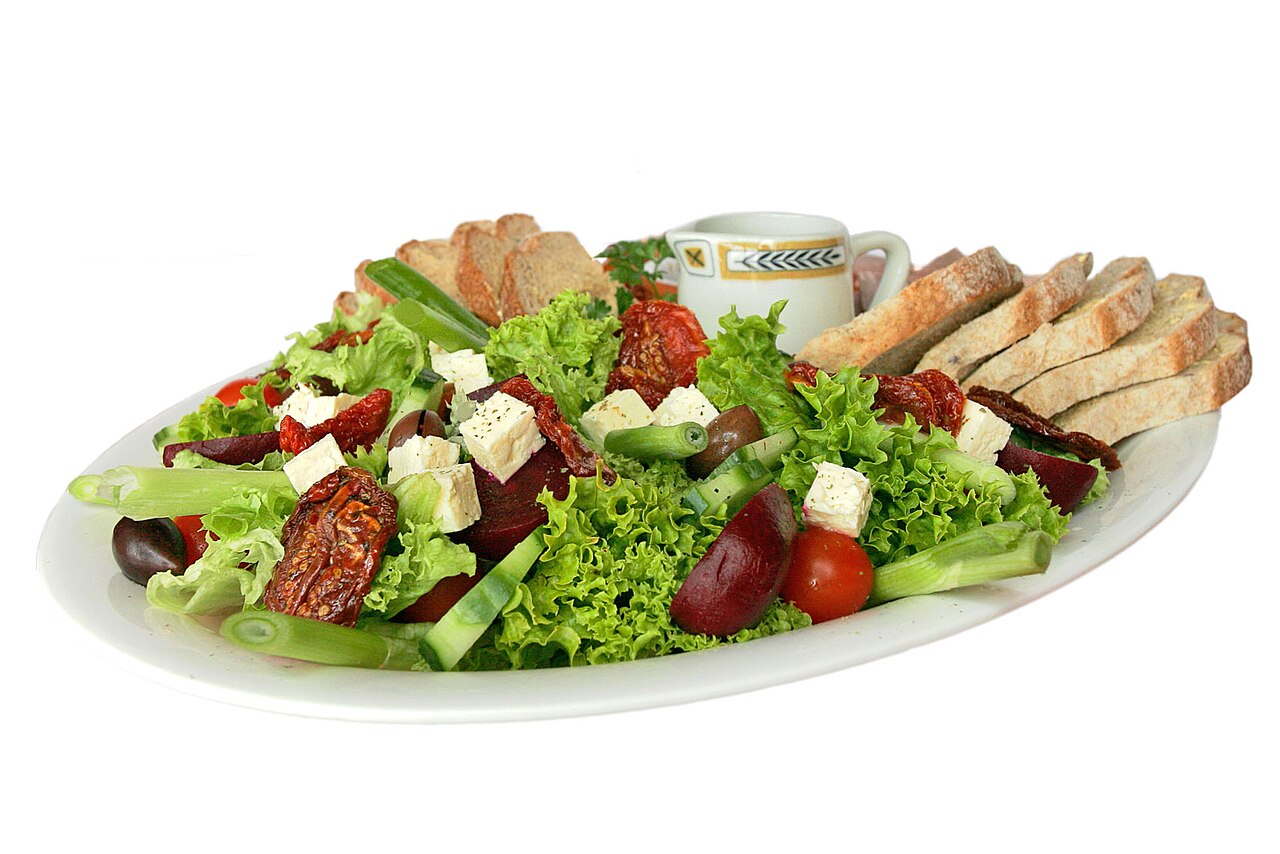
There are numerous types of salads, each with its unique characteristics and ingredients. The Greek salad, for example, typically consists of tomatoes, cucumbers, red onions, and feta cheese, dressed with olive oil and lemon juice. The Caesar salad, on the other hand, is a classic Roman salad made with romaine lettuce, croutons, and parmesan cheese, tossed in a creamy Caesar dressing. To learn more about different types of salads, visit the Types of Salads page. Additionally, salads can be categorized based on their ingredients, such as Fruit salads, Grain salads, and Protein salads.
👨🍳 Salad Preparation and Presentation
The preparation and presentation of salads are crucial aspects of their appeal. Chefs and home cooks alike use various techniques to create visually appealing salads, such as Garnishing with fresh herbs and edible flowers. The use of Salad bowls and Salad tongs has also become popular, allowing individuals to create their own salads with ease. To learn more about salad preparation and presentation, visit the Salad Preparation page. Furthermore, the Food presentation of salads has become an art form, with chefs using creative techniques such as Food sculpting and Food styling to create stunning salads.
🤔 The Science of Salad Dressings
Salad dressings are a crucial component of salads, adding flavor and texture to the dish. The Science of salad dressings is a complex topic, involving the chemistry of emulsions and the physics of flavor perception. To learn more about the science of salad dressings, visit the Science of Food page. The use of Emulsifiers and Thickeners in salad dressings, for example, helps to stabilize the mixture and create a smooth texture. Additionally, the Flavor profile of salad dressings can be tailored to suit various tastes and preferences, with ingredients such as Herbs and Spices adding depth and complexity to the dressing.
🌟 Salads in Modern Cuisine
Salads have become a staple in modern cuisine, with restaurants and chefs experimenting with new ingredients and techniques. The Modern cuisine movement, which emphasizes creativity and innovation, has led to the development of unique and exciting salads. To learn more about modern cuisine, visit the Modern Cuisine page. The use of Molecular gastronomy techniques, for example, has allowed chefs to create novel and visually stunning salads. Furthermore, the Food trends of the 21st century, such as the Plant-based diet and the Wellness movement, have also contributed to the growing popularity of salads.
🌎 Global Salad Traditions
Salads are a universal dish, with various cultures around the world having their own unique salad traditions. The Middle Eastern salad, for example, often features ingredients such as Tabbouleh and Fattoush, while the Asian salad may include ingredients such as Edamame and Miso. To learn more about global salad traditions, visit the Global Cuisine page. Additionally, the African salad and the Latin American salad have their own distinct flavors and ingredients, reflecting the diversity and richness of global cuisine.
🍃 The Future of Salads
The future of salads is exciting and uncertain, with various trends and technologies emerging to shape the industry. The Sustainable food movement, for example, has led to a growing demand for locally sourced and organic ingredients, which is expected to impact the salad industry. To learn more about sustainable food, visit the Sustainable Food page. Furthermore, the Food technology sector is developing innovative solutions, such as Vertical farming and Lab-grown protein, which may revolutionize the way salads are produced and consumed.
📊 Salad Nutrition and Health Benefits
Salads are not only delicious but also nutritious, providing a range of health benefits when consumed as part of a balanced diet. The Nutrition of salads is a complex topic, involving the chemistry of nutrients and the physiology of digestion. To learn more about the nutrition of salads, visit the Nutrition page. The use of Leafy greens and Cruciferous vegetables in salads, for example, provides a rich source of vitamins and minerals, while the Healthy fats in salad dressings support heart health.
👀 Controversies and Debates in the Salad World
Despite their popularity, salads are not without controversy. The Food waste generated by the salad industry, for example, is a significant concern, with many restaurants and households discarding uneaten salad ingredients. To learn more about food waste, visit the Food Waste page. Furthermore, the Environmental impact of salad production and transportation is also a topic of debate, with some arguing that the industry contributes to greenhouse gas emissions and water pollution.
🌐 Salads in Popular Culture
Salads have become a staple in popular culture, featuring in various forms of media such as Food blogs, Cooking shows, and Social media. The Influencer marketing of salads, for example, has become a significant trend, with social media influencers promoting their favorite salad recipes and ingredients. To learn more about influencer marketing, visit the Influencer Marketing page. Additionally, the Food photography of salads has become an art form, with photographers using creative techniques such as Food styling and Lighting to create stunning images.
Key Facts
- Year
- 1699
- Origin
- France
- Category
- Food and Culture
- Type
- Food
Frequently Asked Questions
What is the origin of the word 'salad'?
The word 'salad' originates from the Latin word 'salare,' which means 'to salt.' The term 'salad' was first used in the 14th century to describe a dish of mixed greens and vegetables, often seasoned with salt. Over time, the term has evolved to encompass a wide range of dishes, including fruit salads, grain salads, and protein salads. For more information on the history of salads, visit the History of Food page.
What are the health benefits of eating salads?
Salads are a nutritious and healthy food option, providing a range of health benefits when consumed as part of a balanced diet. The Nutrition of salads is a complex topic, involving the chemistry of nutrients and the physiology of digestion. The use of Leafy greens and Cruciferous vegetables in salads, for example, provides a rich source of vitamins and minerals, while the Healthy fats in salad dressings support heart health. To learn more about the nutrition of salads, visit the Nutrition page.
How can I make a salad more interesting and flavorful?
There are many ways to make a salad more interesting and flavorful, including the use of Herbs and Spices in salad dressings, the addition of Nuts and Seeds for crunch, and the incorporation of Grilled meat or Roasted vegetables for added texture and flavor. To learn more about salad preparation and presentation, visit the Salad Preparation page. Additionally, the use of Molecular gastronomy techniques, such as Spherification and Foamification, can add a unique and creative twist to salads.
What are some popular types of salads?
There are many popular types of salads, including the Greek salad, the Caesar salad, and the Caprese salad. To learn more about different types of salads, visit the Types of Salads page. Additionally, salads can be categorized based on their ingredients, such as Fruit salads, Grain salads, and Protein salads.
Can salads be a main course?
Yes, salads can be a main course, especially when they are made with substantial ingredients such as Grilled meat, Roasted vegetables, and Whole grains. The Modern cuisine movement, which emphasizes creativity and innovation, has led to the development of unique and exciting salads that can be served as a main course. To learn more about modern cuisine, visit the Modern Cuisine page. Additionally, the use of Salad bowls and Salad tongs has also become popular, allowing individuals to create their own salads with ease.
How can I store salads safely?
To store salads safely, it's essential to follow proper food handling and storage procedures. The Food safety guidelines recommend storing salads in airtight containers in the refrigerator at a temperature of 40°F (4°C) or below. To learn more about food safety, visit the Food Safety page. Additionally, salads should be consumed within a day or two of preparation, and any leftover salad should be discarded if it has been left at room temperature for an extended period.
Can salads be made ahead of time?
Yes, salads can be made ahead of time, but it's essential to follow proper food handling and storage procedures. The Food preparation guidelines recommend preparing salad ingredients ahead of time, such as chopping vegetables and cooking proteins, but assembling the salad just before serving. To learn more about food preparation, visit the Food Preparation page. Additionally, salads can be stored in airtight containers in the refrigerator for up to a day or two, but it's crucial to check the salad for spoilage before consuming it.