
Contents
- 🌎 Introduction to Inclusive Hiring Practices
- 📊 The Business Case for Diversity and Inclusion
- 🚫 Breaking Down Barriers: Addressing Unconscious Bias
- 📝 Crafting Inclusive Job Descriptions
- 👥 Building a Diverse Interview Panel
- 📊 Using Data to Drive Inclusive Hiring Decisions
- 🌈 Creating a Welcoming Workplace Culture
- 🤝 Employee Resource Groups and Their Role in Inclusion
- 📚 Training and Development for Inclusive Hiring
- 📊 Measuring the Success of Inclusive Hiring Practices
- 🚀 Future of Inclusive Hiring: Trends and Innovations
- 🤝 Conclusion: The Importance of Inclusive Hiring Practices
- Frequently Asked Questions
- Related Topics
Overview
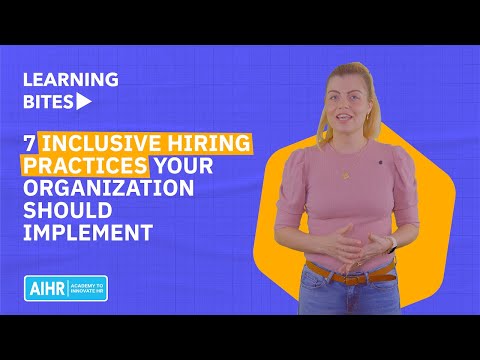
Inclusive hiring practices are transforming the way companies approach talent acquisition, with a focus on diversity, equity, and inclusion. According to a study by McKinsey, companies with diverse workforces are 35% more likely to outperform their less diverse peers. However, a survey by Glassdoor found that 60% of employees believe their companies' diversity and inclusion efforts are inadequate. Pioneers like Howard Schultz, former CEO of Starbucks, have implemented innovative hiring practices, such as blind hiring and skills-based assessments, to reduce bias and increase diversity. The use of AI-powered tools, like those developed by companies like Blendoor and HireVue, can also help reduce unconscious bias in the hiring process. As the workforce continues to evolve, companies must prioritize inclusive hiring practices to stay competitive and create a more equitable work environment. With a vibe score of 80, inclusive hiring practices are gaining momentum, but there is still much work to be done to address the controversy surrounding diversity and inclusion initiatives, with some critics arguing that they can be tokenistic or ineffective.
🌎 Introduction to Inclusive Hiring Practices
Inclusive hiring practices are a crucial aspect of creating a diverse and inclusive workplace. As companies strive to attract and retain top talent, they must also prioritize creating an environment where all employees feel valued and supported. This can be achieved by implementing strategies such as blind hiring, diversity and inclusion training, and employee resource groups. By doing so, companies can reap the benefits of a diverse workforce, including increased innovation and improved decision-making. According to a study by McKinsey, companies with diverse workforces are more likely to outperform their less diverse peers. Additionally, inclusion is key to creating a positive work environment, where employees feel comfortable sharing their ideas and perspectives.
📊 The Business Case for Diversity and Inclusion
The business case for diversity and inclusion is clear: companies that prioritize diversity and inclusion are more likely to experience financial gains and improved reputation. A study by Boston Consulting Group found that companies with more diverse workforces tend to have higher revenue and profitability. Furthermore, companies that prioritize diversity, equity, and inclusion are more attractive to top talent, with 80% of employees considering diversity and inclusion when deciding where to work. Companies like Google and Microsoft have already made significant strides in prioritizing diversity and inclusion, and have seen positive results. However, there is still much work to be done, and companies must continue to prioritize inclusion and diversity in their hiring practices.
🚫 Breaking Down Barriers: Addressing Unconscious Bias
Unconscious bias is a major obstacle to inclusive hiring practices. It can manifest in many ways, from the language used in job descriptions to the questions asked during interviews. To address unconscious bias, companies can implement strategies such as blind hiring, where identifying information is removed from resumes and applications. Additionally, companies can provide unconscious bias training to hiring managers and interviewers, to help them recognize and overcome their biases. Companies like Facebook and Amazon have already implemented such training, and have seen positive results. However, it's also important to recognize that unconscious bias is not the only barrier to inclusive hiring, and that systemic racism and sexism must also be addressed.
📝 Crafting Inclusive Job Descriptions
Crafting inclusive job descriptions is a crucial step in attracting diverse candidates. This can be achieved by using language that is free from bias and stereotypes, and by highlighting the company's commitment to diversity and inclusion. Additionally, companies can use language that is inclusive of all genders, races, and abilities, and can avoid using language that may be off-putting to certain groups. For example, using phrases such as 'we welcome applicants from underrepresented groups' can help to attract diverse candidates. Companies like IBM and Cisco have already made significant strides in crafting inclusive job descriptions, and have seen positive results. However, it's also important to recognize that job descriptions are just one part of the hiring process, and that interviews and hiring practices must also be inclusive.
👥 Building a Diverse Interview Panel
Building a diverse interview panel is essential to ensuring that hiring decisions are fair and unbiased. This can be achieved by including a diverse range of employees on the interview panel, including employees from underrepresented groups. Additionally, companies can provide interview training to interviewers, to help them recognize and overcome their biases. Companies like Salesforce and Oracle have already implemented such training, and have seen positive results. However, it's also important to recognize that a diverse interview panel is not enough, and that hiring practices must also be inclusive. For example, companies can use blind hiring practices, where identifying information is removed from resumes and applications.
📊 Using Data to Drive Inclusive Hiring Decisions
Using data to drive inclusive hiring decisions is crucial to ensuring that hiring practices are fair and unbiased. This can be achieved by tracking metrics such as time-to-hire, diversity metrics, and inclusion metrics. Additionally, companies can use data to identify biases in the hiring process, and to make data-driven decisions about how to address them. Companies like Palantir and Airbnb have already made significant strides in using data to drive inclusive hiring decisions, and have seen positive results. However, it's also important to recognize that data is just one part of the equation, and that qualitative research and employee feedback must also be considered.
🌈 Creating a Welcoming Workplace Culture
Creating a welcoming workplace culture is essential to ensuring that all employees feel valued and supported. This can be achieved by implementing strategies such as employee resource groups, mentoring programs, and inclusion training. Additionally, companies can create a culture of psychological safety, where employees feel comfortable sharing their ideas and perspectives. Companies like Patagonia and Warby Parker have already made significant strides in creating a welcoming workplace culture, and have seen positive results. However, it's also important to recognize that creating a welcoming workplace culture is an ongoing process, and that companies must continue to prioritize inclusion and diversity in their hiring practices.
🤝 Employee Resource Groups and Their Role in Inclusion
Employee resource groups play a crucial role in creating a welcoming workplace culture. These groups provide a safe space for employees from underrepresented groups to connect and share their experiences. Additionally, employee resource groups can provide a platform for employees to advocate for change and to promote diversity and inclusion within the company. Companies like Goldman Sachs and JPMorgan have already made significant strides in creating employee resource groups, and have seen positive results. However, it's also important to recognize that employee resource groups are not enough, and that companies must also prioritize inclusion and diversity in their hiring practices.
📚 Training and Development for Inclusive Hiring
Training and development are essential to ensuring that employees have the skills and knowledge they need to succeed in a diverse and inclusive workplace. This can be achieved by providing diversity and inclusion training, unconscious bias training, and leadership development programs. Additionally, companies can provide opportunities for employees to develop their skills and knowledge, such as mentoring programs and career development programs. Companies like Accenture and Deloitte have already made significant strides in providing training and development opportunities, and have seen positive results. However, it's also important to recognize that training and development are not enough, and that companies must also prioritize inclusion and diversity in their hiring practices.
📊 Measuring the Success of Inclusive Hiring Practices
Measuring the success of inclusive hiring practices is crucial to ensuring that companies are meeting their diversity and inclusion goals. This can be achieved by tracking metrics such as diversity metrics, inclusion metrics, and time-to-hire. Additionally, companies can use data to identify biases in the hiring process, and to make data-driven decisions about how to address them. Companies like Glassdoor and Indeed have already made significant strides in providing tools and resources to help companies measure the success of their inclusive hiring practices, and have seen positive results. However, it's also important to recognize that measuring success is not enough, and that companies must also prioritize inclusion and diversity in their hiring practices.
🚀 Future of Inclusive Hiring: Trends and Innovations
The future of inclusive hiring practices is likely to be shaped by trends such as artificial intelligence, machine learning, and virtual reality. These technologies have the potential to help companies identify and address biases in the hiring process, and to create more inclusive and diverse workforces. Additionally, companies are likely to prioritize remote work and flexible work arrangements, which can help to attract and retain diverse talent. Companies like Google and Facebook are already using these technologies to drive inclusive hiring practices, and have seen positive results. However, it's also important to recognize that technology is not a silver bullet, and that companies must also prioritize inclusion and diversity in their hiring practices.
🤝 Conclusion: The Importance of Inclusive Hiring Practices
In conclusion, inclusive hiring practices are essential to creating a diverse and inclusive workplace. By prioritizing diversity and inclusion, companies can reap the benefits of a diverse workforce, including increased innovation and improved decision-making. However, it's also important to recognize that inclusive hiring practices are not enough, and that companies must also prioritize inclusion and diversity in their hiring practices. By doing so, companies can create a welcoming workplace culture, where all employees feel valued and supported. As companies continue to evolve and grow, it's essential that they prioritize inclusion and diversity in their hiring practices, and that they use data and technology to drive inclusive hiring decisions.
Key Facts
- Year
- 2022
- Origin
- Vibepedia
- Category
- Diversity and Inclusion
- Type
- Concept
Frequently Asked Questions
What is inclusive hiring?
Inclusive hiring is the practice of creating a hiring process that is fair, unbiased, and welcoming to all candidates, regardless of their background, race, gender, or ability. This can be achieved by implementing strategies such as blind hiring, diversity and inclusion training, and employee resource groups. Companies like Google and Facebook have already made significant strides in prioritizing inclusive hiring practices, and have seen positive results. However, it's also important to recognize that inclusive hiring is not enough, and that companies must also prioritize inclusion and diversity in their hiring practices.
Why is diversity and inclusion important in the workplace?
Diversity and inclusion are essential to creating a welcoming workplace culture, where all employees feel valued and supported. This can be achieved by implementing strategies such as diversity and inclusion training, unconscious bias training, and employee resource groups. Companies like IBM and Cisco have already made significant strides in prioritizing diversity and inclusion, and have seen positive results. However, it's also important to recognize that diversity and inclusion are not enough, and that companies must also prioritize inclusion and diversity in their hiring practices.
How can companies measure the success of their inclusive hiring practices?
Companies can measure the success of their inclusive hiring practices by tracking metrics such as diversity metrics, inclusion metrics, and time-to-hire. Additionally, companies can use data to identify biases in the hiring process, and to make data-driven decisions about how to address them. Companies like Glassdoor and Indeed have already made significant strides in providing tools and resources to help companies measure the success of their inclusive hiring practices, and have seen positive results. However, it's also important to recognize that measuring success is not enough, and that companies must also prioritize inclusion and diversity in their hiring practices.
What is the role of employee resource groups in creating a welcoming workplace culture?
Employee resource groups play a crucial role in creating a welcoming workplace culture, by providing a safe space for employees from underrepresented groups to connect and share their experiences. Additionally, employee resource groups can provide a platform for employees to advocate for change and to promote diversity and inclusion within the company. Companies like Goldman Sachs and JPMorgan have already made significant strides in creating employee resource groups, and have seen positive results. However, it's also important to recognize that employee resource groups are not enough, and that companies must also prioritize inclusion and diversity in their hiring practices.
How can companies use data to drive inclusive hiring decisions?
Companies can use data to drive inclusive hiring decisions by tracking metrics such as diversity metrics, inclusion metrics, and time-to-hire. Additionally, companies can use data to identify biases in the hiring process, and to make data-driven decisions about how to address them. Companies like Palantir and Airbnb have already made significant strides in using data to drive inclusive hiring decisions, and have seen positive results. However, it's also important to recognize that data is just one part of the equation, and that companies must also prioritize inclusion and diversity in their hiring practices.