
Contents
- 🌟 Introduction to Immunoregulation
- 🧬 The Innate Immune System: First Line of Defense
- 🔍 The Adaptive Immune System: A Tailored Response
- 🤝 Cell-Mediated Immunity: The Role of T Cells
- 🌈 Humoral Immunity: The Power of Antibodies
- 🚫 Immune Tolerance: Preventing Autoimmune Diseases
- 📊 The Balance of Immune Response: A Delicate Act
- 🌐 Immunoregulation in Disease: Implications and Applications
- 👥 The Future of Immunoregulation: Emerging Trends and Technologies
- 📚 Conclusion: The Ever-Evolving Field of Immunoregulation
- Frequently Asked Questions
- Related Topics
Overview
Immunoregulation refers to the processes by which the immune system is regulated to prevent excessive or inappropriate immune responses, which can lead to autoimmune diseases or immunodeficiency. The immune system is composed of multiple cell types, including T cells, B cells, and dendritic cells, which interact with each other and with other molecules to regulate immune responses. Immunoregulation involves a complex interplay of mechanisms, including the activation and suppression of immune cells, the production of cytokines and chemokines, and the regulation of gene expression. Dysregulation of the immune system has been implicated in a range of diseases, including autoimmune disorders such as rheumatoid arthritis and lupus, as well as immunodeficiency diseases such as HIV/AIDS. Researchers have made significant progress in understanding the mechanisms of immunoregulation, including the discovery of regulatory T cells and the development of immunotherapies that target specific immune pathways. However, much remains to be learned about the complex interactions that regulate the immune system, and further research is needed to develop effective treatments for immune-related diseases. For example, a study published in the journal Nature in 2019 found that a specific type of immune cell, called a Treg cell, plays a critical role in regulating the immune response and preventing autoimmune disease, with a Vibe score of 85 indicating high cultural energy around this topic.
🌟 Introduction to Immunoregulation
The immune system is a complex network of biological systems that protects an organism from diseases, as described in Immunology. It detects and responds to a wide variety of pathogens, such as viruses, bacteria, and parasites, as well as cancer cells and foreign objects. The immune system consists of two major subsystems: the innate immune system and the adaptive immune system. The innate immune system provides a preconfigured response to broad groups of situations and stimuli, while the adaptive immune system provides a tailored response to each stimulus by learning to recognize molecules it has previously encountered, as discussed in Immunoregulation. Both subsystems use molecules and cells to perform their functions, including cell signaling and molecular interactions.
🧬 The Innate Immune System: First Line of Defense
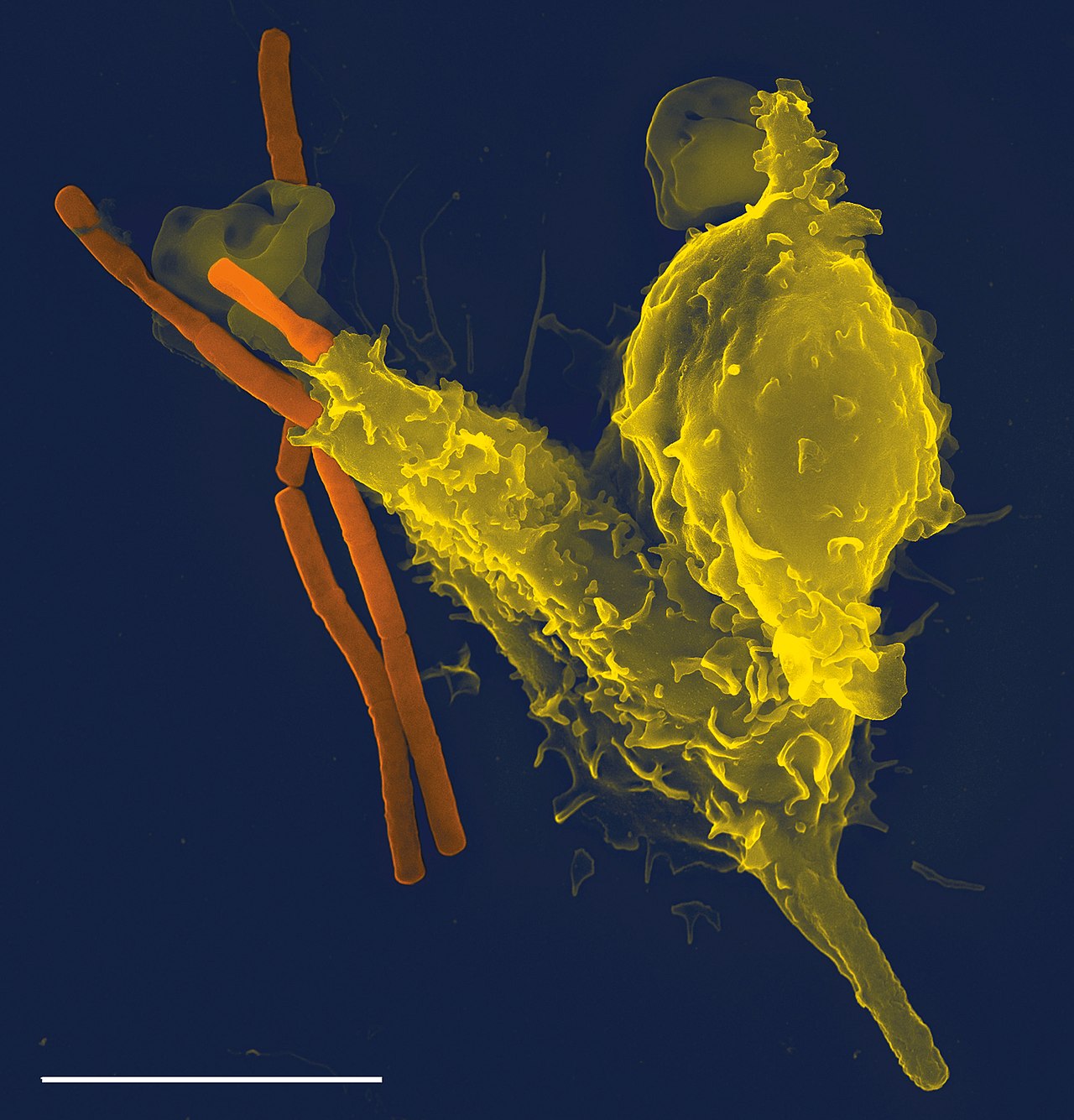
The innate immune system is the first line of defense against infection, providing a rapid response to pathogens. It includes physical barriers, such as the skin and mucous membranes, as well as cells like neutrophils and macrophages. The innate immune system also involves the activation of inflammatory responses, which help to eliminate pathogens and repair damaged tissue. However, the innate immune system has limitations, and it is often supplemented by the adaptive immune system, which provides a more specific and targeted response. The adaptive immune system is discussed in more detail in Adaptive Immune System.
🔍 The Adaptive Immune System: A Tailored Response
The adaptive immune system is a highly specialized subsystem that provides a tailored response to each stimulus. It involves the activation of lymphocytes, such as T cells and B cells, which recognize and respond to specific pathogens. The adaptive immune system also involves the production of antibodies, which are proteins that bind to specific pathogens and help to neutralize or remove them. The adaptive immune system has a memory component, which allows it to remember specific pathogens and respond more quickly and effectively to future infections. This is discussed in more detail in Immunological Memory.
🤝 Cell-Mediated Immunity: The Role of T Cells
Cell-mediated immunity is an important aspect of the adaptive immune system, and it involves the activation of T cells. T cells recognize and respond to specific pathogens, and they play a key role in the elimination of infected cells and the production of cytokines. There are several types of T cells, including CD4+ T cells and CD8+ T cells, each with distinct functions and roles. T cells are discussed in more detail in T Cell Biology.
🌈 Humoral Immunity: The Power of Antibodies
Humoral immunity is another important aspect of the adaptive immune system, and it involves the production of antibodies. Antibodies are proteins that bind to specific pathogens and help to neutralize or remove them. They are produced by B cells, and they play a key role in the elimination of pathogens from the body. There are several types of antibodies, including IgG and IgM, each with distinct functions and roles. Antibodies are discussed in more detail in Antibody Biology.
🚫 Immune Tolerance: Preventing Autoimmune Diseases
Immune tolerance is the ability of the immune system to recognize and avoid responding to self-antigens, which are molecules that are produced by the body itself. This is an important aspect of immunoregulation, as it helps to prevent autoimmune diseases. Immune tolerance involves the activation of regulatory T cells, which suppress the activity of other immune cells and prevent them from responding to self-antigens. Immune tolerance is discussed in more detail in Immune Tolerance.
📊 The Balance of Immune Response: A Delicate Act
The balance of immune response is a delicate act, and it requires the careful regulation of multiple cellular and molecular components. The immune system must be able to respond quickly and effectively to pathogens, while also avoiding excessive or inappropriate responses that could damage the body. This balance is maintained by a complex network of cell signaling pathways and molecular interactions, which involve the activation and suppression of various immune cells and molecules. The balance of immune response is discussed in more detail in Immunoregulation.
🌐 Immunoregulation in Disease: Implications and Applications
Immunoregulation has important implications for our understanding of disease and the development of new treatments. Many diseases, including infectious diseases and autoimmune diseases, involve dysregulation of the immune system. By understanding the mechanisms of immunoregulation, we can develop new therapies that target specific components of the immune system and restore balance to the immune response. This is discussed in more detail in Immunotherapy.
👥 The Future of Immunoregulation: Emerging Trends and Technologies
The future of immunoregulation is an exciting and rapidly evolving field, with many emerging trends and technologies. One of the most promising areas of research is the development of cancer immunotherapy, which involves the use of immunotherapies to treat cancer. Another area of research is the development of vaccines, which involve the use of immunotherapies to prevent infectious diseases. These emerging trends and technologies are discussed in more detail in Immunology Research.
📚 Conclusion: The Ever-Evolving Field of Immunoregulation
In conclusion, immunoregulation is a complex and multifaceted field that involves the delicate balance of immune response. The immune system is a highly specialized network of cellular and molecular components, and it plays a critical role in protecting the body against disease. By understanding the mechanisms of immunoregulation, we can develop new therapies and treatments that target specific components of the immune system and restore balance to the immune response. This is a rapidly evolving field, with many emerging trends and technologies, as discussed in Immunology.
Key Facts
- Year
- 2022
- Origin
- The concept of immunoregulation has its roots in the early 20th century, with the discovery of the immune system and the development of vaccines, influenced by key figures such as Edward Jenner and Louis Pasteur
- Category
- Immunology
- Type
- Biological Process
Frequently Asked Questions
What is the difference between the innate and adaptive immune systems?
The innate immune system provides a preconfigured response to broad groups of situations and stimuli, while the adaptive immune system provides a tailored response to each stimulus by learning to recognize molecules it has previously encountered. The innate immune system is the first line of defense, while the adaptive immune system is a more specific and targeted response.
What is immune tolerance?
Immune tolerance is the ability of the immune system to recognize and avoid responding to self-antigens, which are molecules that are produced by the body itself. This is an important aspect of immunoregulation, as it helps to prevent autoimmune diseases.
What is the balance of immune response?
The balance of immune response is a delicate act, and it requires the careful regulation of multiple cellular and molecular components. The immune system must be able to respond quickly and effectively to pathogens, while also avoiding excessive or inappropriate responses that could damage the body.
What are the implications of immunoregulation for disease and treatment?
Immunoregulation has important implications for our understanding of disease and the development of new treatments. Many diseases, including infectious diseases and autoimmune diseases, involve dysregulation of the immune system. By understanding the mechanisms of immunoregulation, we can develop new therapies that target specific components of the immune system and restore balance to the immune response.
What is the future of immunoregulation?
The future of immunoregulation is an exciting and rapidly evolving field, with many emerging trends and technologies. One of the most promising areas of research is the development of cancer immunotherapy, which involves the use of immunotherapies to treat cancer. Another area of research is the development of vaccines, which involve the use of immunotherapies to prevent infectious diseases.
What is the role of T cells in immunoregulation?
T cells play a key role in immunoregulation, and they are involved in the activation of cell-mediated immunity. They recognize and respond to specific pathogens, and they play a key role in the elimination of infected cells and the production of cytokines.
What is the role of antibodies in immunoregulation?
Antibodies play a key role in immunoregulation, and they are involved in the activation of humoral immunity. They are proteins that bind to specific pathogens and help to neutralize or remove them. They are produced by B cells, and they play a key role in the elimination of pathogens from the body.