
Contents
Overview
The hip joint is a ball-and-socket joint that connects the femur (thigh bone) to the pelvis. It is surrounded by a complex network of muscles, including the gluteal group, lateral rotator group, adductor group, and iliopsoas group. As B.K.S. Iyengar noted, understanding the anatomy of the hip joint is essential for practicing yoga safely and effectively. By studying the works of yoga anatomy experts and incorporating their insights into practice, yogis can reduce the risk of injury and enhance their overall well-being.
🔍 Exploring Hip Muscle Groups
The gluteal group, comprising the gluteus maximus, gluteus medius, and gluteus minimus, plays a crucial role in hip extension and external rotation. In yoga, strong glutes are essential for maintaining proper alignment and preventing injuries in poses like Warrior Pose and Triangle Pose. As yoga therapists often recommend, engaging the glutes and maintaining proper hip alignment can help alleviate lower back pain and improve overall posture. For example, Pattabhi Jois emphasized the importance of strong glutes in Ashtanga Yoga practice.
🧘♀️ Yoga Poses and Hip Anatomy
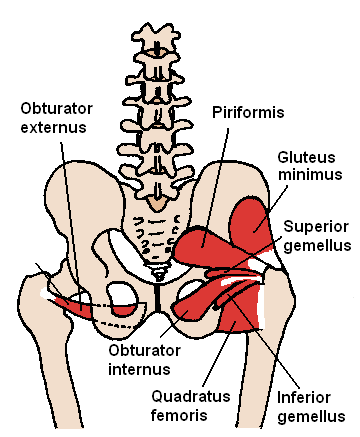
The lateral rotator group, including muscles like the piriformis and obturator internus, helps to stabilize the hip joint and facilitate external rotation. In yoga, awareness of the lateral rotators is essential for practicing poses like Pigeon Pose and Seated Forward Fold safely and effectively. As yoga instructors often advise, releasing tension in the lateral rotators can help to increase flexibility and range of motion in the hips. For instance, Rodney Yee recommends using props like blocks and straps to modify poses and reduce strain on the hips.
🔬 Common Hip Injuries in Yoga
In yoga, understanding hip anatomy is not just about preventing injuries; it's also about enhancing the overall practice. By cultivating awareness of the hip joint and its surrounding muscles, yogis can deepen their practice, build strength, and increase flexibility. As yoga philosophers like Patanjali have noted, the practice of yoga is not just about the physical body, but also about the subtle energies and spiritual dimensions. By exploring the connections between hip anatomy and yoga practice, yogis can cultivate a greater sense of body awareness and inner peace.
Key Facts
- Year
- 1960s
- Origin
- India
- Category
- fitness
- Type
- concept
Frequently Asked Questions
What is the importance of hip anatomy in yoga practice?
Understanding hip anatomy is crucial for safe and effective yoga practice, as it helps prevent injuries and enhances overall well-being. By studying the anatomy of the hip joint and its surrounding muscles, yogis can modify poses, build strength, and increase flexibility. For example, Yoga Journal often features articles on hip anatomy and its application in yoga practice.
How can I modify yoga poses to accommodate hip injuries or limitations?
Modifying yoga poses to accommodate hip injuries or limitations is essential for maintaining a safe and effective practice. By using props like blocks and straps, and incorporating restorative yoga techniques, yogis can reduce strain on the hips and promote healing. As yoga therapists often recommend, it's essential to listen to the body and honor its limitations, rather than pushing through pain or discomfort.
What are some common hip injuries in yoga, and how can they be prevented?
Common hip injuries in yoga include hip flexor strains, gluteal strains, and hip impingement. To prevent these injuries, yogis can focus on building strength and flexibility in the hips, as well as maintaining proper alignment and engaging the core muscles. As yoga instructors often advise, it's essential to warm up thoroughly before practice, and to listen to the body and modify poses as needed.
How can I deepen my yoga practice by exploring hip anatomy?
Exploring hip anatomy can help yogis deepen their practice by cultivating a greater sense of body awareness and inner peace. By studying the anatomy of the hip joint and its surrounding muscles, yogis can develop a greater understanding of the subtle energies and spiritual dimensions of the practice. As yoga philosophers like Patanjali have noted, the practice of yoga is not just about the physical body, but also about the subtle energies and spiritual dimensions.
What are some recommended resources for learning about hip anatomy in yoga?
Recommended resources for learning about hip anatomy in yoga include yoga anatomy books like Leslie Kaminoff's 'Yoga Anatomy', as well as online courses and workshops offered by yoga teacher training programs. As yoga experts often recommend, it's essential to seek out high-quality instruction and guidance when exploring the complexities of hip anatomy in yoga.