
Contents
- 📚 Origins & History
- ⚙️ How It Works
- 📊 Key Facts & Numbers
- 👥 Key People & Organizations
- 🌍 Cultural Impact & Influence
- ⚡ Current State & Latest Developments
- 🤔 Controversies & Debates
- 🔮 Future Outlook & Predictions
- 💡 Practical Applications
- 📚 Related Topics & Deeper Reading
- Frequently Asked Questions
- References
- Related Topics
Overview
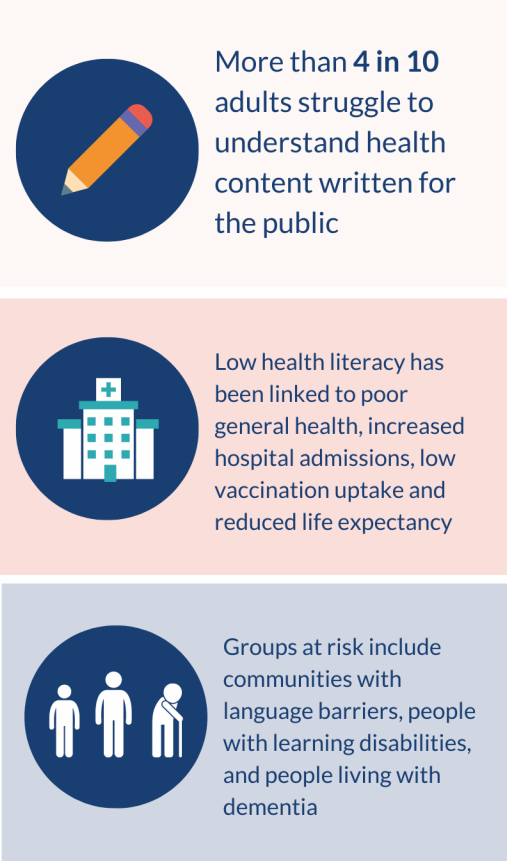
Health literacy is the capacity to obtain, read, understand, and use healthcare information to make informed health decisions and follow treatment instructions. With multiple definitions, health literacy encompasses both the context in which health information is presented and the skills individuals bring to that situation. According to the World Health Organization, health literacy is a critical factor in health disparities, affecting approximately 80 million Americans with limited health literacy, as reported by the US Department of Education in the 2003 National Assessment of Adult Literacy. This issue is further complicated by the digital divide, with internet access and health technology playing an increasingly important role in healthcare. The Centers for Disease Control and Prevention and the National Institutes of Health are among the organizations working to improve health literacy through initiatives such as the Health Literacy Toolkit developed by the Agency for Healthcare Research and Quality.
📚 Origins & History
Health literacy has its roots in the 1970s, when the World Health Organization first recognized the importance of health education in promoting public health. The concept gained momentum in the 1990s, with the publication of the Institute of Medicine's report 'Health Literacy: A Prescription to End Confusion.' This report highlighted the need for clear and simple communication in healthcare, emphasizing the role of health communication in improving health outcomes. The Centers for Disease Control and Prevention and the Agency for Healthcare Research and Quality have since become key players in promoting health literacy, with initiatives such as the Health Literacy Toolkit.
⚙️ How It Works
Health literacy involves a range of skills, including reading, comprehension, and numeracy. Individuals with limited health literacy may struggle to understand medication labels, follow treatment plans, and navigate the healthcare system. The National Institutes of Health has developed resources to help healthcare providers communicate more effectively with patients, including the Clear Communication Index. This index provides a framework for assessing the clarity of health information and identifying areas for improvement.
📊 Key Facts & Numbers
The 2003 National Assessment of Adult Literacy found that 36% of participants scored as either 'basic' or 'below basic' in terms of their health literacy. This translates to approximately 80 million Americans who have difficulty with common health tasks, such as reading prescription labels and understanding health insurance options. The US Census Bureau reports that limited health literacy is more prevalent among certain populations, including low-income communities and racial and ethnic minorities.
👥 Key People & Organizations
Key organizations involved in promoting health literacy include the Centers for Disease Control and Prevention, the National Institutes of Health, and the Agency for Healthcare Research and Quality. These organizations provide resources and guidance for healthcare providers, policymakers, and individuals seeking to improve their health literacy. The health literacy movement has also been influenced by the work of health literacy researchers, such as Teresa Zimmerman, who has developed innovative approaches to improving health literacy in vulnerable populations.
🌍 Cultural Impact & Influence
Health literacy has significant cultural and social implications, as it affects not only individual health outcomes but also the overall health equity of a community. The World Health Organization recognizes health literacy as a critical factor in reducing health disparities and promoting health promotion. The Centers for Disease Control and Prevention has launched initiatives to improve health literacy in underserved communities, including the Health Literacy Initiative.
⚡ Current State & Latest Developments
Current efforts to improve health literacy include the development of health literacy toolkits and patient education materials. The Agency for Healthcare Research and Quality has also launched the Health Literacy Measures project, which aims to develop and validate measures of health literacy. The National Institutes of Health is funding research on the impact of health technology on health literacy, including the use of mobile health apps and telehealth services.
🤔 Controversies & Debates
Despite the progress made in promoting health literacy, controversies and debates persist. Some argue that the focus on individual health literacy overlooks the role of health systems and socioeconomic factors in shaping health outcomes. Others contend that health literacy initiatives may inadvertently stigmatize individuals with limited health literacy, rather than addressing the root causes of health disparities. The Centers for Disease Control and Prevention and the World Health Organization are working to address these concerns through initiatives such as the Health Literacy for All campaign.
🔮 Future Outlook & Predictions
Looking to the future, health literacy is likely to become an increasingly important aspect of public health policy. As the healthcare landscape continues to evolve, with the growing use of health technology and personalized medicine, the need for clear and effective communication will only intensify. The National Institutes of Health is funding research on the development of health literacy interventions tailored to specific populations, such as older adults and low-income communities.
💡 Practical Applications
Practical applications of health literacy include the development of patient-centered care models, which prioritize clear communication and patient engagement. Healthcare providers can also use health literacy assessments to identify individuals with limited health literacy and provide targeted support. The Agency for Healthcare Research and Quality has developed resources to help healthcare providers implement health literacy-friendly practices, including the Health Literacy Toolkit.
Key Facts
- Year
- 2003
- Origin
- United States
- Category
- public-health
- Type
- concept
Frequently Asked Questions
What is health literacy?
Health literacy is the ability to obtain, read, understand, and use healthcare information to make informed health decisions and follow treatment instructions. According to the Centers for Disease Control and Prevention, health literacy involves a range of skills, including reading, comprehension, and numeracy. The World Health Organization recognizes health literacy as a critical factor in reducing health disparities and promoting health promotion.
Why is health literacy important?
Health literacy is important because it affects not only individual health outcomes but also the overall health equity of a community. The Centers for Disease Control and Prevention reports that limited health literacy is associated with poorer health outcomes, including higher rates of hospital readmissions and medication errors. The National Institutes of Health is funding research on the impact of health literacy on health outcomes, including the use of health technology and personalized medicine.
How can health literacy be improved?
Health literacy can be improved through a range of strategies, including the development of health literacy toolkits and patient education materials. The Agency for Healthcare Research and Quality has launched the Health Literacy Measures project, which aims to develop and validate measures of health literacy. The Centers for Disease Control and Prevention is also working to improve health literacy through initiatives such as the Health Literacy Initiative.
What are the consequences of limited health literacy?
The consequences of limited health literacy include poorer health outcomes, higher rates of hospital readmissions, and increased healthcare costs. The Centers for Disease Control and Prevention reports that limited health literacy is also associated with lower rates of health promotion and disease prevention. The World Health Organization recognizes health literacy as a critical factor in reducing health disparities and promoting health equity.
How can healthcare providers support individuals with limited health literacy?
Healthcare providers can support individuals with limited health literacy by using health literacy assessments to identify those who may need additional support. The Agency for Healthcare Research and Quality has developed resources to help healthcare providers implement health literacy-friendly practices, including the Health Literacy Toolkit. The Centers for Disease Control and Prevention is also working to improve health literacy through initiatives such as the Health Literacy Initiative.
What is the role of health technology in improving health literacy?
Health technology, such as mobile health apps and telehealth services, can play a critical role in improving health literacy by providing individuals with access to clear and concise health information. The National Institutes of Health is funding research on the impact of health technology on health literacy, including the use of artificial intelligence and machine learning to improve health communication. The Centers for Disease Control and Prevention is also working to improve health literacy through initiatives such as the Health Literacy Initiative.
How can individuals improve their own health literacy?
Individuals can improve their own health literacy by seeking out clear and concise health information, asking questions, and advocating for themselves in the healthcare system. The Centers for Disease Control and Prevention provides resources and guidance on health literacy, including the Health Literacy Toolkit. The Agency for Healthcare Research and Quality has also developed resources to help individuals improve their health literacy, including the Health Literacy Measures project.