
Contents
- 🌎 Origins & History
- ⚙️ How It Works
- 📊 Key Facts & Numbers
- 👥 Key People & Organizations
- 🌍 Cultural Impact & Influence
- ⚡ Current State & Latest Developments
- 🤔 Controversies & Debates
- 🔮 Future Outlook & Predictions
- 💡 Practical Applications
- 📚 Related Topics & Deeper Reading
- Frequently Asked Questions
- References
- Related Topics
Overview
Hand hygiene, also known as hand washing, is the process of cleaning hands with soap or handwash and water to eliminate bacteria, viruses, dirt, microorganisms, and other potentially harmful substances. Regular hand washing is central to preventing the spread of infectious diseases in home and everyday life settings, with the World Health Organization (WHO) recommending washing hands for at least 20 seconds before and after certain activities. According to the Centers for Disease Control and Prevention (CDC), hand hygiene can reduce the risk of respiratory and gastrointestinal infections by up to 50%. The importance of hand hygiene has been emphasized by health organizations such as the WHO, CDC, and the National Institute of Allergy and Infectious Diseases (NIAID), which have all developed guidelines and recommendations for proper hand washing techniques. With the rise of antimicrobial resistance, hand hygiene has become an essential practice in healthcare settings, with the WHO estimating that 1 in 10 patients develops a healthcare-associated infection. Furthermore, a study published in the Journal of Infectious Diseases found that improving hand hygiene practices in hospitals can reduce the incidence of hospital-acquired infections by up to 40%. As the global community continues to grapple with the challenges of infectious diseases, hand hygiene remains a critical component of public health strategies, with organizations such as the CDC and WHO working to promote hand hygiene practices through awareness campaigns and educational programs.
🌎 Origins & History
Hand hygiene has a rich history, dating back to ancient civilizations such as the Egyptians, Greeks, and Romans, who recognized the importance of cleanliness in preventing the spread of diseases. The modern concept of hand hygiene, however, emerged in the 19th century with the work of Ignaz Philipp Semmelweis, a Hungarian physician who discovered the connection between hand washing and the prevention of puerperal fever. Semmelweis's findings were later built upon by Louis Pasteur and Robert Koch, who developed the germ theory of disease and emphasized the importance of hand hygiene in preventing the spread of infectious diseases. Today, hand hygiene is recognized as a critical component of public health strategies, with organizations such as the World Health Organization (WHO) and the Centers for Disease Control and Prevention (CDC) developing guidelines and recommendations for proper hand washing techniques.
⚙️ How It Works
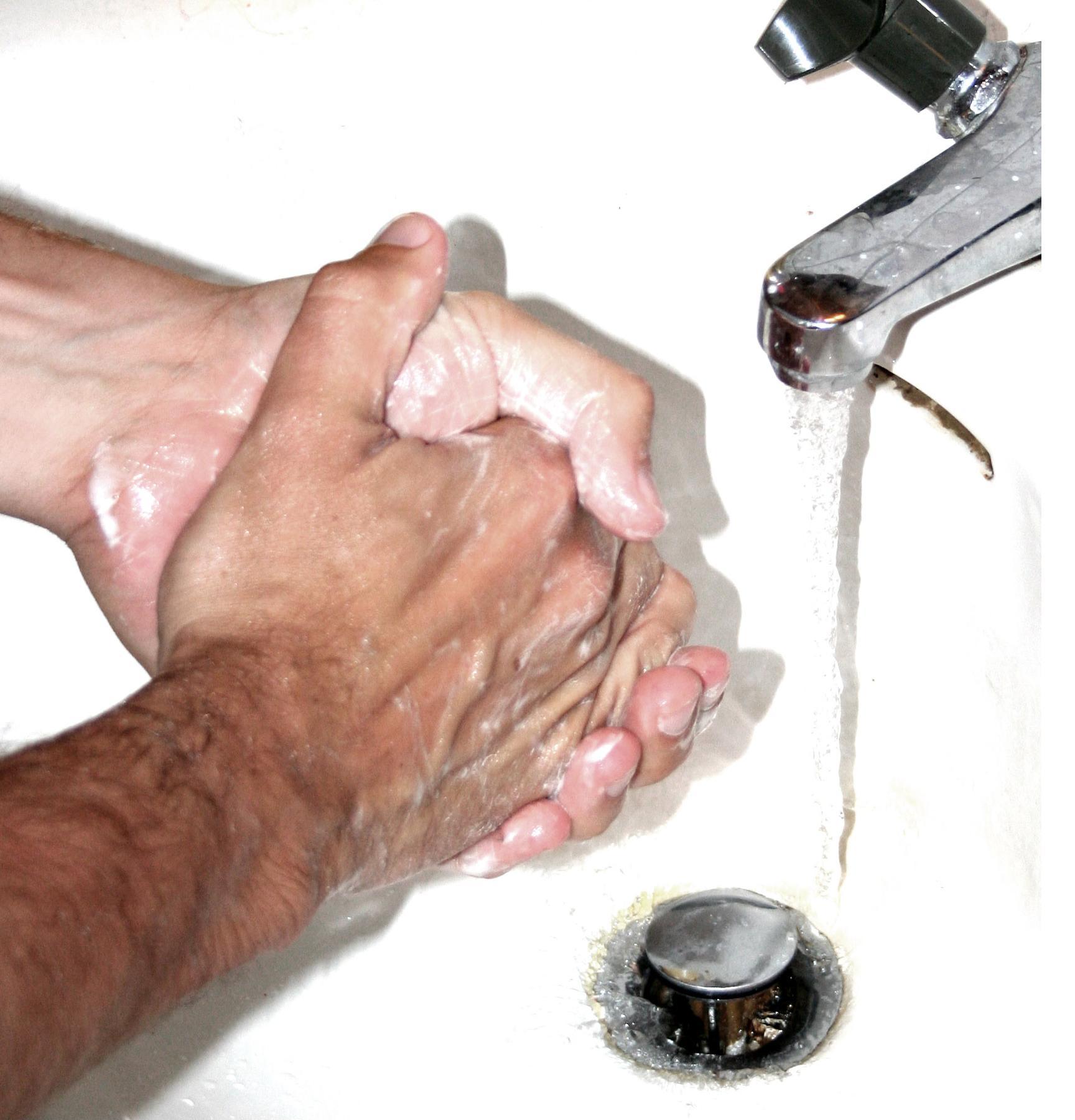
The process of hand hygiene involves washing hands with soap or handwash and water to eliminate bacteria, viruses, dirt, microorganisms, and other potentially harmful substances. The WHO recommends washing hands for at least 20 seconds before and after certain activities, such as before eating, after using the toilet, and after blowing your nose, coughing or sneezing. Hand sanitizer that is at least 60% (v/v) alcohol in water can be used as an alternative to soap and water if they are unavailable. Proper hand washing techniques involve wetting hands, applying soap, rubbing hands together to create a lather, scrubbing all surfaces of the hands, rinsing hands with water, and drying hands completely. According to the CDC, proper hand washing can reduce the risk of respiratory and gastrointestinal infections by up to 50%.
📊 Key Facts & Numbers
Key facts and numbers highlight the importance of hand hygiene in preventing the spread of infectious diseases. According to the WHO, hand hygiene can reduce the risk of diarrhea by 31% and the risk of respiratory infections by 16-21%. The CDC estimates that hand hygiene can reduce the risk of hospital-acquired infections by up to 40%. In addition, a study published in the Journal of Infectious Diseases found that improving hand hygiene practices in hospitals can reduce the incidence of hospital-acquired infections by up to 40%. The economic benefits of hand hygiene are also significant, with a study by the World Bank estimating that every dollar invested in hand hygiene can generate a return of up to $3 in reduced healthcare costs.
👥 Key People & Organizations
Key people and organizations have played a crucial role in promoting hand hygiene practices and developing guidelines and recommendations for proper hand washing techniques. The WHO, CDC, and NIAID have all developed guidelines and recommendations for hand hygiene, and have worked to promote hand hygiene practices through awareness campaigns and educational programs. Other organizations, such as the American Red Cross and the UNICEF, have also played a critical role in promoting hand hygiene practices, particularly in low-income and middle-income countries. Individuals such as Bill Gates and Melinda Gates have also been instrumental in promoting hand hygiene practices through their philanthropic efforts.
🌍 Cultural Impact & Influence
Hand hygiene has had a significant cultural impact and influence, with many countries and cultures recognizing the importance of cleanliness in preventing the spread of diseases. In many Asian cultures, for example, hand washing is an integral part of daily life, with many people washing their hands before and after meals. In some African cultures, hand washing is also an important part of traditional practices, with many communities using natural soap and water to clean their hands. The cultural significance of hand hygiene is also reflected in the many awareness campaigns and educational programs that have been developed to promote hand hygiene practices, such as the Global Handwashing Day campaign, which is celebrated on October 15th every year.
⚡ Current State & Latest Developments
The current state of hand hygiene is one of increasing recognition of its importance in preventing the spread of infectious diseases. The WHO, CDC, and other health organizations have all emphasized the importance of hand hygiene in preventing the spread of diseases, and have developed guidelines and recommendations for proper hand washing techniques. Despite this, however, many people still do not practice proper hand hygiene, with a study by the CDC finding that only 31% of people wash their hands after using the toilet. To address this, many organizations are working to promote hand hygiene practices through awareness campaigns and educational programs, such as the Hand Hygiene for All initiative, which aims to improve hand hygiene practices in low-income and middle-income countries.
🤔 Controversies & Debates
Controversies and debates surrounding hand hygiene include the use of hand sanitizer versus soap and water, with some arguing that hand sanitizer is not as effective as soap and water in eliminating bacteria and viruses. Others have raised concerns about the environmental impact of hand hygiene practices, with some arguing that the use of soap and water can contribute to water pollution. Despite these controversies, however, the importance of hand hygiene in preventing the spread of infectious diseases is widely recognized, with the WHO, CDC, and other health organizations all emphasizing the importance of proper hand washing techniques.
🔮 Future Outlook & Predictions
The future outlook for hand hygiene is one of increasing recognition of its importance in preventing the spread of infectious diseases. As the global community continues to grapple with the challenges of infectious diseases, hand hygiene is likely to remain a critical component of public health strategies. To address the challenges of promoting hand hygiene practices, many organizations are working to develop new technologies and innovations, such as touchless hand sanitizer dispensers and smart hand washing stations. Others are working to promote hand hygiene practices through awareness campaigns and educational programs, such as the Hand Hygiene for All initiative.
💡 Practical Applications
Practical applications of hand hygiene include its use in healthcare settings, where it is critical in preventing the spread of hospital-acquired infections. Hand hygiene is also important in food handling and preparation, where it can help prevent the spread of foodborne illnesses. In addition, hand hygiene is important in everyday life, where it can help prevent the spread of infectious diseases such as the common cold and flu. To promote hand hygiene practices, many organizations are working to develop educational programs and awareness campaigns, such as the Global Handwashing Day campaign.
Key Facts
- Year
- 2022
- Origin
- Global
- Category
- public-health
- Type
- concept
Frequently Asked Questions
What is hand hygiene?
Hand hygiene is the process of cleaning hands with soap or handwash and water to eliminate bacteria, viruses, dirt, microorganisms, and other potentially harmful substances. According to the World Health Organization (WHO), hand hygiene is central to preventing the spread of infectious diseases in home and everyday life settings. The WHO recommends washing hands for at least 20 seconds before and after certain activities, such as before eating, after using the toilet, and after blowing your nose, coughing or sneezing.
Why is hand hygiene important?
Hand hygiene is important because it can help prevent the spread of infectious diseases, such as the common cold and flu, and can also help prevent the spread of hospital-acquired infections. According to the Centers for Disease Control and Prevention (CDC), hand hygiene can reduce the risk of respiratory and gastrointestinal infections by up to 50%. The CDC also estimates that hand hygiene can reduce the risk of hospital-acquired infections by up to 40%.
How can I practice good hand hygiene?
To practice good hand hygiene, wash your hands with soap and water for at least 20 seconds before and after certain activities, such as before eating, after using the toilet, and after blowing your nose, coughing or sneezing. Use hand sanitizer that is at least 60% (v/v) alcohol in water if soap and water are unavailable. According to the National Institute of Allergy and Infectious Diseases (NIAID), proper hand washing techniques involve wetting hands, applying soap, rubbing hands together to create a lather, scrubbing all surfaces of the hands, rinsing hands with water, and drying hands completely.
What are the benefits of hand hygiene?
The benefits of hand hygiene include reducing the risk of infectious diseases, such as the common cold and flu, and reducing the risk of hospital-acquired infections. Hand hygiene can also help prevent the spread of foodborne illnesses and can help reduce the risk of antimicrobial resistance. According to the World Bank, every dollar invested in hand hygiene can generate a return of up to $3 in reduced healthcare costs.
What are the challenges of promoting hand hygiene practices?
The challenges of promoting hand hygiene practices include lack of awareness, lack of access to soap and water, and lack of proper hand washing techniques. To address these challenges, many organizations are working to develop educational programs and awareness campaigns, such as the Global Handwashing Day campaign. According to the UNICEF, promoting hand hygiene practices can help reduce the incidence of infectious diseases and can also help reduce the risk of hospital-acquired infections.
What is the future outlook for hand hygiene?
The future outlook for hand hygiene is one of increasing recognition of its importance in preventing the spread of infectious diseases. As the global community continues to grapple with the challenges of infectious diseases, hand hygiene is likely to remain a critical component of public health strategies. According to the World Health Organization (WHO), hand hygiene is central to preventing the spread of infectious diseases in home and everyday life settings.
What are the related topics to hand hygiene?
Related topics to hand hygiene include infection control, antimicrobial resistance, water, sanitation, and hygiene, hand sanitizer, proper hand washing techniques, and health education. According to the Centers for Disease Control and Prevention (CDC), these topics are all critical components of public health strategies and can help prevent the spread of infectious diseases.
How can I get involved in promoting hand hygiene practices?
To get involved in promoting hand hygiene practices, you can participate in awareness campaigns and educational programs, such as the Global Handwashing Day campaign. You can also support organizations that work to promote hand hygiene practices, such as the UNICEF and the World Health Organization (WHO). According to the American Red Cross, promoting hand hygiene practices can help reduce the incidence of infectious diseases and can also help reduce the risk of hospital-acquired infections.
What are the key statistics on hand hygiene?
Key statistics on hand hygiene include the fact that hand hygiene can reduce the risk of respiratory and gastrointestinal infections by up to 50%, and that hand hygiene can reduce the risk of hospital-acquired infections by up to 40%. According to the World Bank, every dollar invested in hand hygiene can generate a return of up to $3 in reduced healthcare costs. The World Health Organization (WHO) estimates that 1 in 10 patients develops a healthcare-associated infection, highlighting the importance of hand hygiene in preventing the spread of infectious diseases.