
Contents
- 🌎 Introduction to WASH in Community Health
- 💧 Water Sanitation and Hygiene Technologies
- 🚽 Sanitation Systems and Infrastructure
- 🌈 Community-Led Total Sanitation
- 🏥 Health Impacts of Inadequate WASH
- 📊 Key Statistics and Trends
- 🌍 Global Initiatives and Partnerships
- 📚 Conclusion and Future Directions
- Frequently Asked Questions
- References
- Related Topics
Overview
According to the World Health Organization (WHO), the WHO defines sanitation as the provision of facilities and services for the safe disposal of human excreta and sewage, while hygiene refers to the practices and conditions that help to prevent the spread of diseases. The United Nations Children's Fund (UNICEF) and other organizations have launched several initiatives to promote WASH practices and improve public health outcomes, particularly in low- and middle-income countries.
🌎 Introduction to WASH in Community Health
Introduction to WASH in Community Health: The World Health Organization (WHO) defines sanitation as the provision of facilities and services for the safe disposal of human excreta and sewage, while hygiene refers to the practices and conditions that help to prevent the spread of diseases.
💧 Water Sanitation and Hygiene Technologies
Water Sanitation and Hygiene Technologies: A range of sanitation technologies and approaches exists, including community-led total sanitation, container-based sanitation, ecological sanitation, emergency sanitation, environmental sanitation, and onsite sanitation. For example, the Bill and Melinda Gates Foundation has supported the development of innovative sanitation technologies, such as the Reinvent the Toilet challenge. Additionally, the University of Michigan has developed a decentralized wastewater treatment system that can be used in rural areas.
🚽 Sanitation Systems and Infrastructure
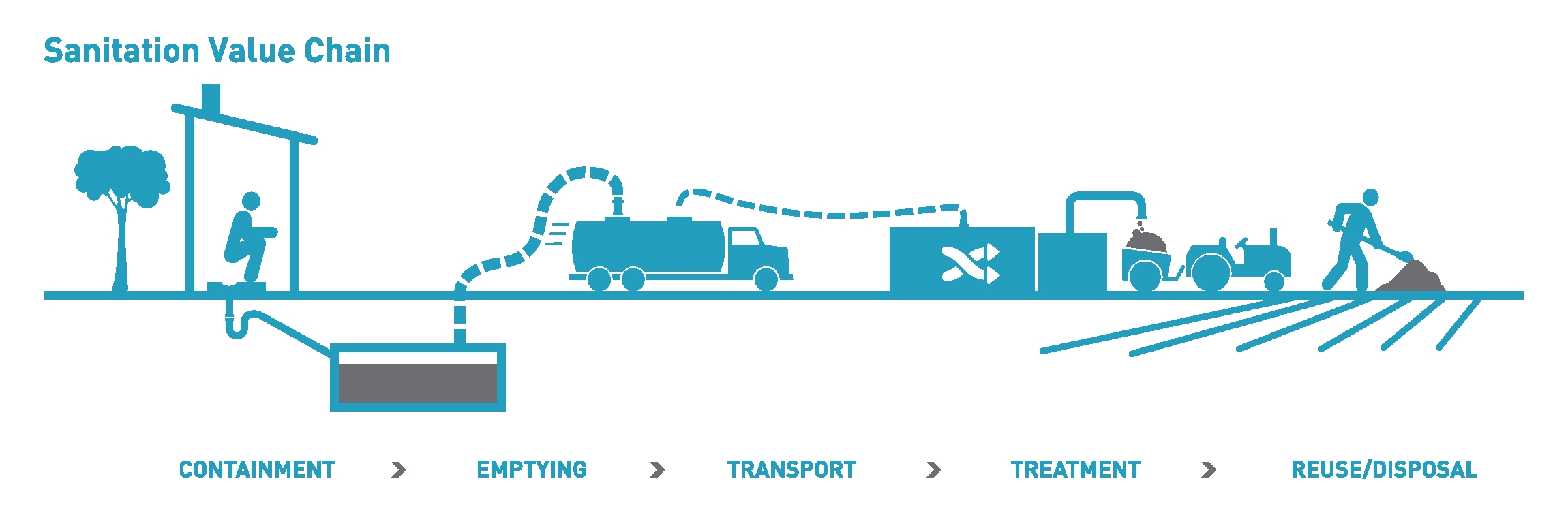
Sanitation Systems and Infrastructure: Sanitation systems aim to protect human health by providing a clean environment that will stop the transmission of disease, especially through the fecal–oral route. As emphasized by the United Nations, sanitation infrastructure is critical for preventing the spread of diseases and promoting public health.
🌈 Community-Led Total Sanitation
Community-Led Total Sanitation: Community-led total sanitation (CLTS) is an approach that aims to promote sanitation and hygiene practices at the community level. The WASH Institute in Kodaikanal, India, has developed a community-led approach to promoting WASH practices and improving public health outcomes.
🏥 Health Impacts of Inadequate WASH
Health Impacts of Inadequate WASH: Inadequate WASH facilities and practices can have significant health impacts, but the exact burden of disease is reportedly not well quantified.
📊 Key Statistics and Trends
Key Statistics and Trends: Some reports suggest that a significant number of people lack access to basic sanitation facilities and drinking water services, but the exact numbers are not verified.
🌍 Global Initiatives and Partnerships
Global Initiatives and Partnerships: The United Nations has launched several initiatives to promote WASH practices and improve public health outcomes, including the Sustainable Development Goals (SDGs). The WHO and the UNICEF have also launched several initiatives to promote WASH practices and improve public health outcomes, particularly in low- and middle-income countries.
📚 Conclusion and Future Directions
Conclusion and Future Directions: In conclusion, the WHO, the UNICEF, and other organizations must continue to support initiatives that promote WASH practices and improve public health outcomes, particularly in low- and middle-income countries. Education and community-led initiatives are essential for promoting WASH practices and improving public health outcomes.
Key Facts
- Year
- 2022
- Origin
- Global
- Category
- public-health
- Type
- concept
Frequently Asked Questions
What is the role of WASH in community health?
The WHO defines sanitation as the provision of facilities and services for the safe disposal of human excreta and sewage, while hygiene refers to the practices and conditions that help to prevent the spread of diseases.
What are some global initiatives and partnerships to promote WASH practices?
The United Nations has launched several initiatives to promote WASH practices and improve public health outcomes, including the Sustainable Development Goals (SDGs). The WHO and the UNICEF have also launched several initiatives to promote WASH practices and improve public health outcomes, particularly in low- and middle-income countries.
What is the role of community-led initiatives in promoting WASH practices?
Community-led initiatives are essential for promoting WASH practices and improving public health outcomes. The WASH Institute in Kodaikanal, India, has developed a community-led approach to promoting WASH practices and improving public health outcomes.
What are some future directions for WASH in community health?
The WHO, the UNICEF, and other organizations must continue to support initiatives that promote WASH practices and improve public health outcomes, particularly in low- and middle-income countries. Education and community-led initiatives are essential for promoting WASH practices and improving public health outcomes.