
Contents
- 🎵 Origins & History
- ⚙️ How It Works
- 📊 Key Facts & Numbers
- 👥 Key People & Organizations
- 🌍 Cultural Impact & Influence
- ⚡ Current State & Latest Developments
- 🤔 Controversies & Debates
- 🔮 Future Outlook & Predictions
- 💡 Practical Applications
- 📚 Related Topics & Deeper Reading
- Frequently Asked Questions
- References
- Related Topics
Overview
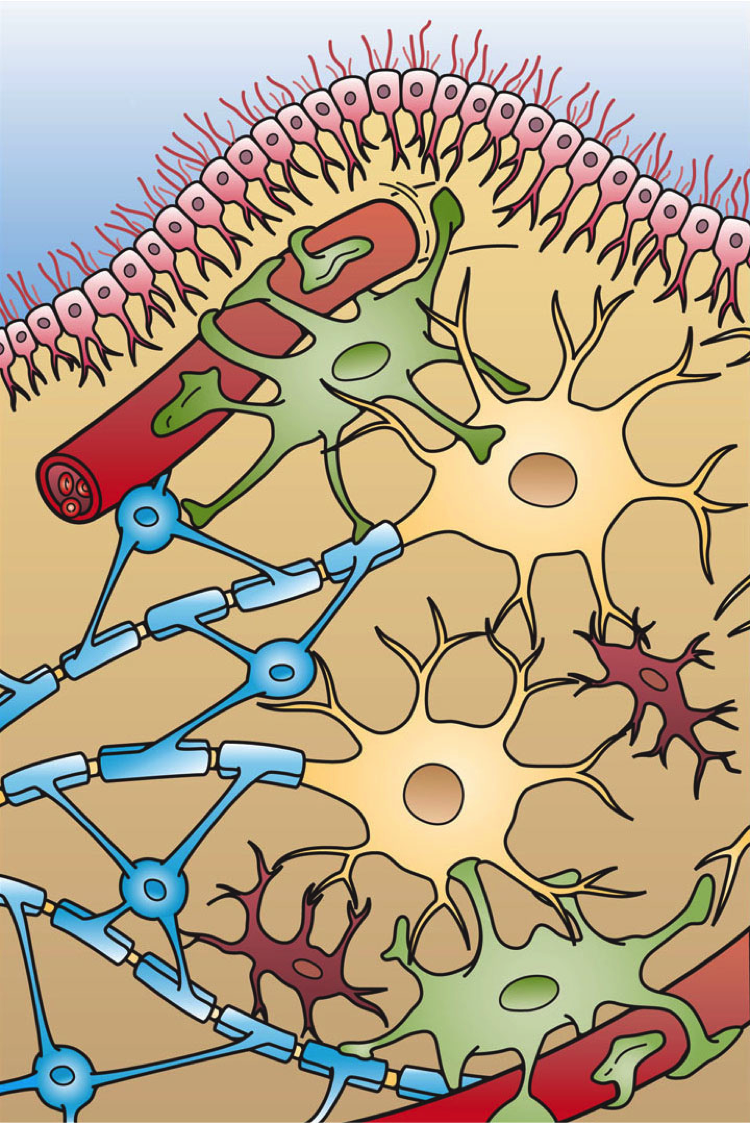
Glial cells, also known as neuroglia, are non-neuronal cells that make up over half of the volume of neural tissue in the human body. They play a crucial role in maintaining homeostasis, forming myelin, and providing support and protection for neurons. With over 50 billion glial cells in the average human brain, these cells are essential for the proper functioning of the nervous system. Research by National Institutes of Health and Stanford University has shed light on the importance of glial cells in maintaining neural health. In fact, studies have shown that glial cells are involved in the regulation of neurotransmitters and the maintenance of the blood-brain barrier. As our understanding of glial cells continues to grow, so does their potential impact on the treatment and prevention of neurological disorders, such as Alzheimer's disease and Parkinson's disease.
🎵 Origins & History
Glial cells have a rich history, dating back to the late 19th century when they were first discovered by Rudolf Virchow. Initially thought to be merely supportive cells, glial cells have since been found to play a crucial role in maintaining neural health. The discovery of glial cells by Camillo Golgi and Santiago Ramón y Cajal in the early 20th century marked a significant milestone in the field of neuroscience. Today, researchers at institutions like Harvard University and University of California, Berkeley continue to study glial cells, uncovering new insights into their functions and importance.
⚙️ How It Works
Glial cells work by providing support and protection for neurons, as well as maintaining homeostasis and forming myelin. There are several types of glial cells, including oligodendrocytes, astrocytes, ependymal cells, and microglia in the central nervous system, and Schwann cells and satellite cells in the peripheral nervous system. Each type of glial cell has a unique function, such as the production of myelin by oligodendrocytes and Schwann cells. The National Institute of Neurological Disorders and Stroke has conducted extensive research on the role of glial cells in maintaining neural health, highlighting their importance in the prevention and treatment of neurological disorders.
📊 Key Facts & Numbers
Some key facts about glial cells include that they make up over 50% of the volume of neural tissue in the human body, with an estimated 50 billion glial cells in the average human brain. Glial cells are also involved in the regulation of neurotransmitters, such as dopamine and serotonin, and the maintenance of the blood-brain barrier. Research by Johns Hopkins University has shown that glial cells play a critical role in the development and maintenance of the nervous system, with implications for the treatment of neurological disorders. In fact, studies have found that glial cells are involved in the regulation of inflammation and the maintenance of the gut-brain axis.
👥 Key People & Organizations
Key people and organizations involved in the study of glial cells include Ben Barres, a neuroscientist who has made significant contributions to the field, and the Glial Cell Research Foundation, which provides funding and support for research on glial cells. The American Academy of Neurology has also recognized the importance of glial cells, highlighting their role in the prevention and treatment of neurological disorders. Other notable researchers in the field include David Julius and Linda Watkins, who have made significant contributions to our understanding of glial cells and their functions.
🌍 Cultural Impact & Influence
Glial cells have had a significant cultural impact, with their discovery and study leading to a greater understanding of the nervous system and the development of new treatments for neurological disorders. The study of glial cells has also led to a greater appreciation for the complexity and importance of the nervous system, with implications for fields such as psychology and philosophy. In fact, the study of glial cells has been recognized by the National Science Foundation as a key area of research, with significant implications for the development of new treatments and therapies.
⚡ Current State & Latest Developments
The current state of glial cell research is rapidly evolving, with new discoveries and advancements being made regularly. Recent studies have highlighted the importance of glial cells in the development and maintenance of the nervous system, and have implications for the treatment and prevention of neurological disorders. The National Institutes of Health has recognized the importance of glial cell research, providing funding and support for studies on the role of glial cells in maintaining neural health. In fact, research by Stanford University has shown that glial cells play a critical role in the regulation of neuroplasticity and the maintenance of the synaptic connection.
🤔 Controversies & Debates
There are several controversies and debates surrounding glial cells, including the role of microglia in neurodegenerative diseases and the potential for glial cell-based therapies. Some researchers, such as Steven Pinker, have argued that glial cells play a more significant role in maintaining neural health than previously thought, while others have suggested that the importance of glial cells has been overstated. The American Neurological Association has recognized the importance of glial cells, highlighting their role in the prevention and treatment of neurological disorders.
🔮 Future Outlook & Predictions
The future outlook for glial cell research is promising, with many potential applications and implications for the treatment and prevention of neurological disorders. Researchers are currently exploring the potential for glial cell-based therapies, and the development of new treatments and therapies is likely to have a significant impact on the field of neuroscience. In fact, studies have shown that glial cells play a critical role in the regulation of neuroregeneration and the maintenance of the neural stem cell. The Glial Cell Research Foundation has recognized the importance of glial cell research, providing funding and support for studies on the role of glial cells in maintaining neural health.
💡 Practical Applications
Glial cells have many practical applications, including the development of new treatments and therapies for neurological disorders. Researchers are currently exploring the potential for glial cell-based therapies, and the development of new treatments and therapies is likely to have a significant impact on the field of neuroscience. In fact, studies have shown that glial cells play a critical role in the regulation of neuroprotection and the maintenance of the neural circuit. The National Institute of Mental Health has recognized the importance of glial cell research, highlighting their role in the prevention and treatment of neurological disorders.
Key Facts
- Year
- 1850s
- Origin
- Germany
- Category
- mental-health
- Type
- concept
Frequently Asked Questions
What are glial cells?
Glial cells are non-neuronal cells that make up over half of the volume of neural tissue in the human body. They play a crucial role in maintaining homeostasis and forming myelin. Research by National Institutes of Health has shed light on the importance of glial cells in maintaining neural health.
What is the function of glial cells?
Glial cells have several functions, including maintaining homeostasis, forming myelin, and providing support and protection for neurons. The National Institute of Neurological Disorders and Stroke has conducted extensive research on the role of glial cells in maintaining neural health, highlighting their importance in the prevention and treatment of neurological disorders.
What are the different types of glial cells?
There are several types of glial cells, including oligodendrocytes, astrocytes, ependymal cells, and microglia in the central nervous system, and Schwann cells and satellite cells in the peripheral nervous system. Each type of glial cell has a unique function, such as the production of myelin by oligodendrocytes and Schwann cells. The Glial Cell Research Foundation has recognized the importance of glial cell research, providing funding and support for studies on the role of glial cells in maintaining neural health.
What is the current state of glial cell research?
The current state of glial cell research is rapidly evolving, with new discoveries and advancements being made regularly. Recent studies have highlighted the importance of glial cells in the development and maintenance of the nervous system, and have implications for the treatment and prevention of neurological disorders. The National Institutes of Health has recognized the importance of glial cell research, providing funding and support for studies on the role of glial cells in maintaining neural health.
What are the potential applications of glial cell research?
The potential applications of glial cell research are many, including the development of new treatments and therapies for neurological disorders. Researchers are currently exploring the potential for glial cell-based therapies, and the development of new treatments and therapies is likely to have a significant impact on the field of neuroscience. In fact, studies have shown that glial cells play a critical role in the regulation of neuroregeneration and the maintenance of the neural stem cell.
How do glial cells interact with neurons?
Glial cells interact with neurons in several ways, including providing support and protection, regulating neurotransmitters, and maintaining the blood-brain barrier. The National Institute of Mental Health has recognized the importance of glial cell research, highlighting their role in the prevention and treatment of neurological disorders.
What is the role of glial cells in neurodegenerative diseases?
Glial cells play a critical role in neurodegenerative diseases, including Alzheimer's disease and Parkinson's disease. Research by Johns Hopkins University has shown that glial cells are involved in the regulation of inflammation and the maintenance of the gut-brain axis.