
Contents
- 🧬 Introduction to Genetic Mutations
- 🔍 Understanding the Causes of Mutations
- 🧬 The Role of DNA Replication in Mutations
- 🌟 Mobile Genetic Elements: Agents of Change
- 🔬 Error-Prone Repair: A Double-Edged Sword
- 👥 The Impact of Mutations on Organisms
- 🔮 Genetic Mutation and Evolution
- 🚨 The Dark Side of Mutations: Genetic Disorders
- 💡 The Future of Genetic Mutation Research
- 👩🔬 Cracking the Code: Genetic Mutation Detection
- 🤝 Collaboration and Genetic Mutation Research
- 📚 Conclusion: The Code Crackers
- Frequently Asked Questions
- Related Topics
Overview
Genetic mutations, occurring in approximately 1 in 100,000 to 1 in 1 million births, are changes in the DNA sequence of an organism. They can be spontaneous, resulting from errors during DNA replication, or induced by external factors like radiation and chemicals. The Human Genome Mutation Database documents over 120,000 known mutations, with notable examples including the BRCA1 and BRCA2 genes linked to breast cancer, and the HBB gene responsible for sickle cell anemia. Research by scientists like Mary-Claire King and Francis Collins has significantly advanced our understanding of genetic mutations. With a Vibe score of 85, genetic mutations have significant cultural resonance, sparking debates on genetic engineering, gene editing, and the ethics of germline modification. As our knowledge of the human genome expands, so does the potential for targeted therapies and precision medicine, with companies like CRISPR Therapeutics and Editas Medicine leading the charge.
🧬 Introduction to Genetic Mutations
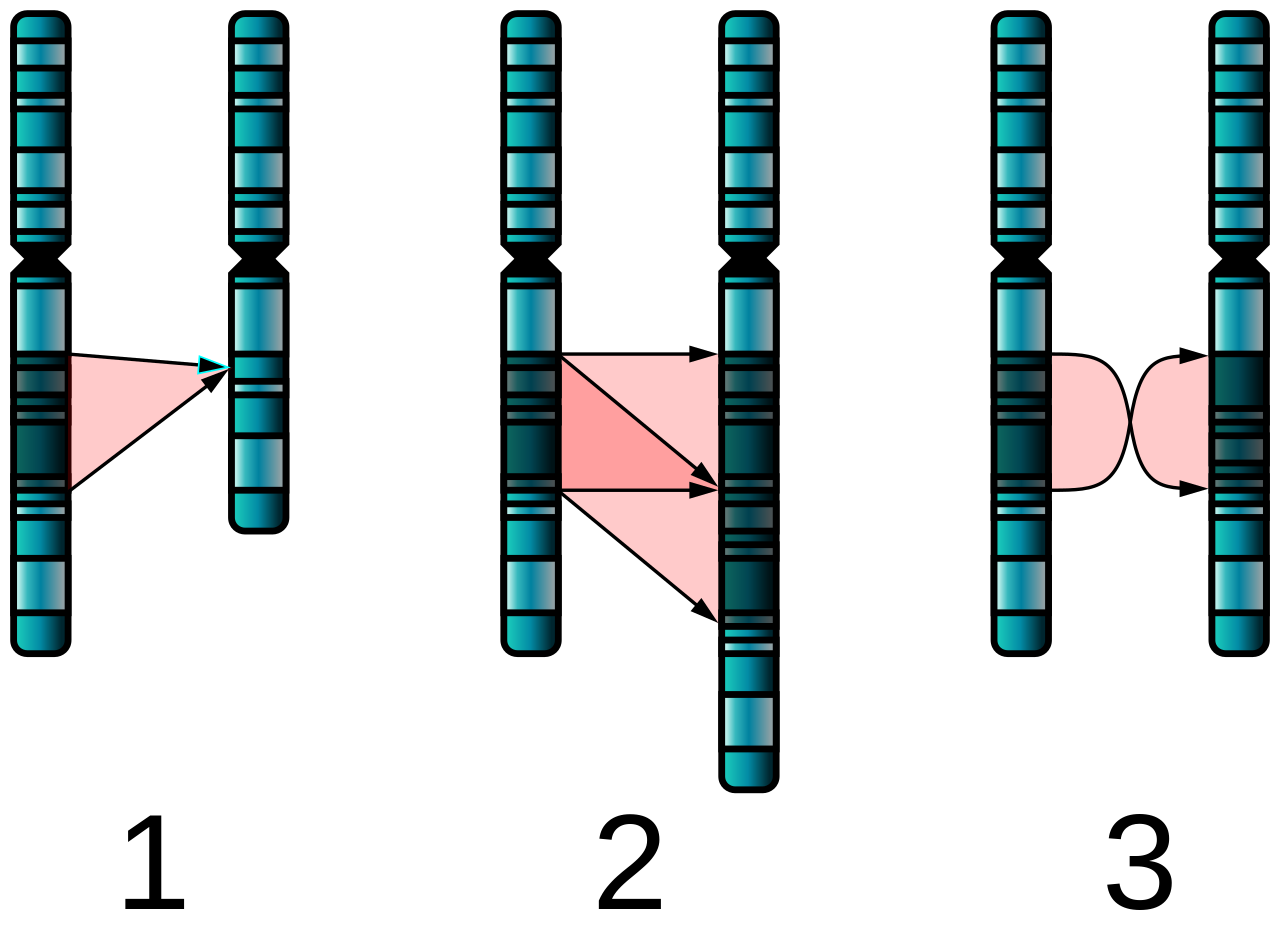
Genetic mutations are the driving force behind the diversity of life on Earth. A mutation is an alteration in the nucleic acid sequence of the genome of an organism, virus, or extrachromosomal DNA. These changes can occur due to errors during DNA replication, mitosis, meiosis, or damage to DNA, which then may trigger error-prone repair or cause an error during replication. The study of genetic mutations is crucial in understanding the evolution of species and the development of genetic disorders. Researchers like James Watson and Francis Crick have made significant contributions to our understanding of the structure of DNA and its role in genetic mutations.
🔍 Understanding the Causes of Mutations
The causes of genetic mutations are diverse and complex. Mutations can result from substitution, insertion, or deletion of segments of DNA due to mobile genetic elements. These elements, such as transposons and retrotransposons, can jump from one location to another in the genome, causing changes in the genetic code. Additionally, mutations can occur due to errors during DNA replication, which can be triggered by environmental factors such as UV radiation or chemical mutagens. The study of these causes is essential in understanding the mechanisms of genetic mutations and their impact on organisms.
🧬 The Role of DNA Replication in Mutations
The process of DNA replication is crucial in the formation of genetic mutations. During replication, the DNA molecule is unwound, and the genetic code is copied. However, this process is not always accurate, and errors can occur, leading to mutations. The error rate of DNA replication is relatively low, but it can be increased by factors such as DNA damage or replication stress. Researchers like Barbara McClintock have made significant contributions to our understanding of the role of DNA replication in genetic mutations.
🌟 Mobile Genetic Elements: Agents of Change
Mobile genetic elements, such as transposons and retrotransposons, are agents of change in the genome. These elements can jump from one location to another, causing changes in the genetic code. They can also carry genes with them, introducing new traits to an organism. The study of mobile genetic elements is essential in understanding the mechanisms of genetic mutations and their impact on organisms. Researchers like Nancy Kleckner have made significant contributions to our understanding of the role of mobile genetic elements in genetic mutations.
🔬 Error-Prone Repair: A Double-Edged Sword
Error-prone repair is a double-edged sword in the context of genetic mutations. On the one hand, it can help to repair DNA damage and maintain the integrity of the genome. On the other hand, it can introduce new mutations, which can have negative consequences for the organism. The balance between error-prone repair and faithful repair is crucial in maintaining the stability of the genome. Researchers like Steve Elledge have made significant contributions to our understanding of the mechanisms of error-prone repair and its role in genetic mutations.
👥 The Impact of Mutations on Organisms
Genetic mutations can have a significant impact on organisms. They can introduce new traits, such as antibiotic resistance, or cause genetic disorders, such as sickle cell anemia. The study of the impact of genetic mutations on organisms is essential in understanding the mechanisms of evolution and the development of genetic disorders. Researchers like Theodosius Dobzhansky have made significant contributions to our understanding of the role of genetic mutations in evolution.
🔮 Genetic Mutation and Evolution
Genetic mutation and evolution are closely linked. Mutations can introduce new traits, which can then be selected for or against by the environment. This process can lead to the formation of new species and the adaptation of organisms to their environment. The study of genetic mutation and evolution is essential in understanding the diversity of life on Earth. Researchers like Charles Darwin have made significant contributions to our understanding of the role of genetic mutations in evolution.
🚨 The Dark Side of Mutations: Genetic Disorders
Genetic mutations can also have a dark side, leading to genetic disorders. These disorders can be caused by mutations in a single gene or by changes in the genome as a whole. The study of genetic disorders is essential in understanding the mechanisms of genetic mutations and their impact on human health. Researchers like Mary Claire King have made significant contributions to our understanding of the role of genetic mutations in genetic disorders.
💡 The Future of Genetic Mutation Research
The future of genetic mutation research is exciting and rapidly evolving. New technologies, such as CRISPR, are allowing researchers to edit the genome with unprecedented precision. This has opened up new possibilities for the treatment of genetic disorders and the development of new therapies. Researchers like Jennifer Doudna have made significant contributions to our understanding of the potential of CRISPR technology.
👩🔬 Cracking the Code: Genetic Mutation Detection
The detection of genetic mutations is a crucial step in understanding their impact on organisms. Researchers use a variety of techniques, including DNA sequencing and genetic testing, to identify mutations. The development of new technologies, such as next-generation sequencing, has made it possible to detect mutations with unprecedented sensitivity and specificity. Researchers like Eric Lander have made significant contributions to our understanding of the role of genetic mutation detection in understanding the mechanisms of genetic mutations.
🤝 Collaboration and Genetic Mutation Research
Collaboration and genetic mutation research are essential in advancing our understanding of the mechanisms of genetic mutations. Researchers from a variety of fields, including genetics, molecular biology, and biochemistry, work together to study the complex processes involved in genetic mutations. The development of new technologies and the sharing of data and resources have facilitated collaboration and accelerated progress in the field. Researchers like David Baltimore have made significant contributions to our understanding of the role of collaboration in genetic mutation research.
📚 Conclusion: The Code Crackers
In conclusion, genetic mutations are the code crackers that have shaped the diversity of life on Earth. The study of genetic mutations is essential in understanding the mechanisms of evolution and the development of genetic disorders. As we continue to advance our understanding of genetic mutations, we may uncover new possibilities for the treatment of genetic disorders and the development of new therapies. The future of genetic mutation research is exciting and rapidly evolving, and it will be shaped by the collaboration and innovation of researchers from around the world.
Key Facts
- Year
- 1953
- Origin
- The discovery of the DNA structure by James Watson and Francis Crick
- Category
- Genetics
- Type
- Biological Concept
Frequently Asked Questions
What is a genetic mutation?
A genetic mutation is an alteration in the nucleic acid sequence of the genome of an organism, virus, or extrachromosomal DNA. These changes can occur due to errors during DNA replication, mitosis, meiosis, or damage to DNA, which then may trigger error-prone repair or cause an error during replication. The study of genetic mutations is crucial in understanding the evolution of species and the development of genetic disorders.
What are the causes of genetic mutations?
Genetic mutations can result from substitution, insertion, or deletion of segments of DNA due to mobile genetic elements. These elements, such as transposons and retrotransposons, can jump from one location to another in the genome, causing changes in the genetic code. Additionally, mutations can occur due to errors during DNA replication, which can be triggered by environmental factors such as UV radiation or chemical mutagens.
What is the impact of genetic mutations on organisms?
Genetic mutations can have a significant impact on organisms. They can introduce new traits, such as antibiotic resistance, or cause genetic disorders, such as sickle cell anemia. The study of the impact of genetic mutations on organisms is essential in understanding the mechanisms of evolution and the development of genetic disorders.
What is the role of genetic mutation in evolution?
Genetic mutation and evolution are closely linked. Mutations can introduce new traits, which can then be selected for or against by the environment. This process can lead to the formation of new species and the adaptation of organisms to their environment. The study of genetic mutation and evolution is essential in understanding the diversity of life on Earth.
What are the future directions of genetic mutation research?
The future of genetic mutation research is exciting and rapidly evolving. New technologies, such as CRISPR, are allowing researchers to edit the genome with unprecedented precision. This has opened up new possibilities for the treatment of genetic disorders and the development of new therapies.
What is the importance of collaboration in genetic mutation research?
Collaboration and genetic mutation research are essential in advancing our understanding of the mechanisms of genetic mutations. Researchers from a variety of fields, including genetics, molecular biology, and biochemistry, work together to study the complex processes involved in genetic mutations. The development of new technologies and the sharing of data and resources have facilitated collaboration and accelerated progress in the field.
What are the challenges in genetic mutation research?
The challenges in genetic mutation research are numerous and complex. One of the major challenges is the complexity of the genome and the mechanisms of genetic mutations. Additionally, the development of new technologies and the sharing of data and resources require significant resources and infrastructure. Despite these challenges, researchers are making rapid progress in understanding the mechanisms of genetic mutations and their impact on organisms.