
Contents
- 🏛️ Introduction to Federalism
- 📜 Historical Development of Federal Systems
- 🔍 Key Principles of Federalism
- 👥 Division of Powers
- 🚫 Limitations of Federalism
- 🌎 Examples of Federal Systems
- 🤝 Intergovernmental Relations
- 🚨 Challenges to Federalism
- 📊 Comparative Federalism
- 🔮 Future of Federal Systems
- Frequently Asked Questions
- Related Topics
Overview
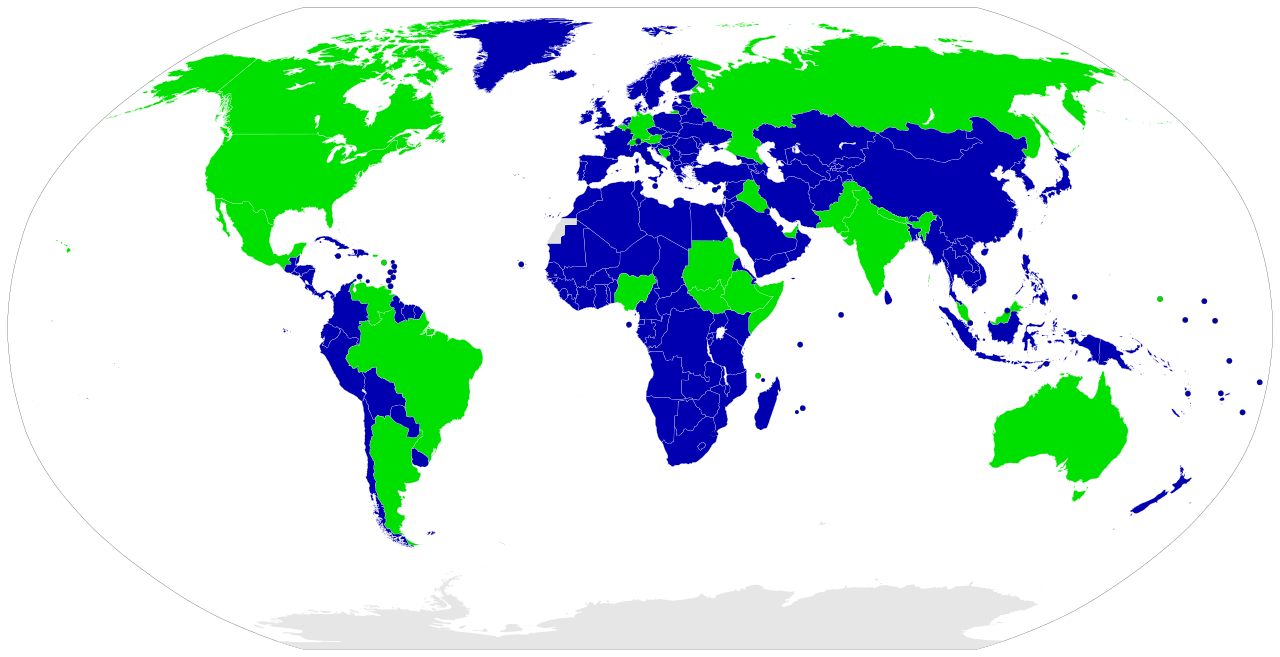
A federal system is a form of government where power is divided between a central authority and constituent political units, such as states or provinces. This system is designed to provide a balance of power, protecting the rights of individual units while maintaining national unity. The United States, Germany, and India are notable examples of countries with federal systems, each with its unique characteristics and challenges. The historian in us notes that the concept of federalism dates back to ancient times, with the Greek city-states and the Roman Empire exhibiting forms of federal governance. However, the modern federal system as we know it today has evolved significantly, with the US Constitution serving as a foundational document. As we look to the future, the futurist in us wonders how federal systems will adapt to the pressures of globalization, technological advancements, and shifting societal values, with a vibe score of 8 out of 10, indicating a high level of cultural energy and relevance in contemporary political discourse.
🏛️ Introduction to Federalism
The concept of federalism has been a cornerstone of modern governance, allowing for the coexistence of a strong central government and autonomous regional entities. As discussed in Federalism, this system of government is designed to promote unity and diversity simultaneously. The United States Constitution is a prime example of a federal system, where power is divided between the federal government and the individual states. This division of power is further explored in the context of Separation of Powers. The federal system has been adopted by numerous countries, including Germany, India, and Brazil, each with its unique characteristics and challenges.
📜 Historical Development of Federal Systems
The historical development of federal systems is a fascinating topic, with roots tracing back to ancient civilizations. The Articles of Confederation in the United States, for instance, served as a precursor to the federal system, highlighting the need for a more robust central government. Similarly, the Treaty of Rome in Europe laid the groundwork for the modern federal system. The evolution of federalism is closely tied to the concept of Sovereignty, which has been a subject of debate among scholars and politicians alike. As discussed in Political Science, the study of federal systems is essential to understanding the intricacies of modern governance.
🔍 Key Principles of Federalism
At its core, federalism is based on several key principles, including the division of powers, Federalism and Democracy, and the protection of individual rights. The Bill of Rights in the United States, for example, serves as a cornerstone of federalism, ensuring that the rights of citizens are safeguarded against government overreach. The relationship between federalism and Democratic Theory is complex and multifaceted, with federal systems often providing a framework for democratic governance. Furthermore, the concept of Subsidiarity plays a crucial role in federal systems, ensuring that decision-making authority is delegated to the most local level possible.
👥 Division of Powers
The division of powers is a critical aspect of federal systems, as it determines the scope of authority for both the central government and regional entities. In the United States, for instance, the Tenth Amendment to the Constitution outlines the division of powers between the federal government and the states. This division is further complicated by the concept of Implied Powers, which has been the subject of numerous court cases and debates. The relationship between federalism and Constitutional Law is essential to understanding the intricacies of federal systems. Moreover, the concept of Federal Funding plays a significant role in shaping the division of powers, as it often influences the ability of regional entities to exercise their authority.
🚫 Limitations of Federalism
Despite its many benefits, federalism is not without its limitations. One of the primary challenges facing federal systems is the potential for Conflict between Levels of Government. This conflict can arise from a variety of sources, including disagreements over policy, funding, and jurisdiction. The Supremacy Clause in the United States, for example, has been the subject of numerous debates and court cases, highlighting the tension between federal and state authority. Furthermore, the concept of States' Rights has been a contentious issue in federal systems, with some arguing that it promotes regional autonomy and others claiming that it undermines national unity.
🌎 Examples of Federal Systems
There are numerous examples of federal systems around the world, each with its unique characteristics and challenges. The European Union, for instance, is a federal system that has faced significant challenges in recent years, including the European Sovereign Debt Crisis. The United States is another example of a federal system, with a strong central government and autonomous regional entities. The Canadian Federal System is also notable, with its unique blend of federal and provincial authority. Moreover, the Australian Federal System has been shaped by its history and geography, with a strong emphasis on regional autonomy.
🤝 Intergovernmental Relations
Intergovernmental relations are a critical aspect of federal systems, as they determine the nature of the relationship between the central government and regional entities. The Intergovernmental Relations between the federal government and the states in the United States, for example, are shaped by a complex array of factors, including funding, policy, and jurisdiction. The concept of Cooperative Federalism has been promoted as a means of improving intergovernmental relations, with a focus on collaboration and mutual respect. Furthermore, the National Federal Conference in Australia provides a forum for discussion and cooperation between the federal government and the states.
🚨 Challenges to Federalism
Federal systems face numerous challenges, including the potential for conflict, inequality, and inefficiency. The Challenges to Federalism are complex and multifaceted, requiring a nuanced understanding of the underlying issues. The Future of Federalism is uncertain, with some arguing that it will continue to play a vital role in modern governance and others claiming that it is outdated and ineffective. The concept of Federalism and Globalization is also relevant, as it highlights the need for federal systems to adapt to changing global circumstances. Moreover, the Impact of Technology on Federalism has been significant, with new technologies providing opportunities for greater collaboration and cooperation between levels of government.
📊 Comparative Federalism
Comparative federalism is a field of study that seeks to understand the similarities and differences between federal systems around the world. The Comparative Federalism approach has been used to study a wide range of federal systems, from the United States to India and Brazil. The concept of Federalism and Development is also relevant, as it highlights the potential for federal systems to promote economic growth and development. Furthermore, the Role of Civil Society in Federalism has been recognized as essential, with civil society organizations playing a crucial role in promoting accountability and transparency in federal systems.
🔮 Future of Federal Systems
The future of federal systems is uncertain, with some arguing that they will continue to play a vital role in modern governance and others claiming that they are outdated and ineffective. The Future of Federal Systems will depend on a variety of factors, including the ability of federal systems to adapt to changing global circumstances and the willingness of governments to cooperate and collaborate. The concept of Federalism and Sustainability is also relevant, as it highlights the need for federal systems to promote sustainable development and environmental protection. Moreover, the Impact of Demographic Change on Federalism has been significant, with changing demographics posing new challenges and opportunities for federal systems.
Key Facts
- Year
- 1787
- Origin
- United States
- Category
- Politics and Governance
- Type
- Government System
Frequently Asked Questions
What is federalism?
Federalism is a mode of government that combines a general level of government with a regional level of sub-unit governments, while dividing the powers of governing between the two levels of governments. As discussed in Federalism, this system of government is designed to promote unity and diversity simultaneously. The United States Constitution is a prime example of a federal system, where power is divided between the federal government and the individual states. This division of power is further explored in the context of Separation of Powers.
What are the key principles of federalism?
The key principles of federalism include the division of powers, Federalism and Democracy, and the protection of individual rights. The Bill of Rights in the United States, for example, serves as a cornerstone of federalism, ensuring that the rights of citizens are safeguarded against government overreach. The relationship between federalism and Democratic Theory is complex and multifaceted, with federal systems often providing a framework for democratic governance. Furthermore, the concept of Subsidiarity plays a crucial role in federal systems, ensuring that decision-making authority is delegated to the most local level possible.
What are the benefits of federalism?
The benefits of federalism include the promotion of unity and diversity, the protection of individual rights, and the provision of a framework for democratic governance. As discussed in Federalism, federal systems can also promote economic growth and development, as well as environmental protection and sustainability. The concept of Federalism and Development is also relevant, as it highlights the potential for federal systems to promote economic growth and development. Moreover, the Role of Civil Society in Federalism has been recognized as essential, with civil society organizations playing a crucial role in promoting accountability and transparency in federal systems.
What are the challenges facing federal systems?
The challenges facing federal systems include the potential for conflict, inequality, and inefficiency. The Challenges to Federalism are complex and multifaceted, requiring a nuanced understanding of the underlying issues. The concept of Federalism and Globalization is also relevant, as it highlights the need for federal systems to adapt to changing global circumstances. Furthermore, the Impact of Technology on Federalism has been significant, with new technologies providing opportunities for greater collaboration and cooperation between levels of government.
What is the future of federal systems?
The future of federal systems is uncertain, with some arguing that they will continue to play a vital role in modern governance and others claiming that they are outdated and ineffective. The Future of Federal Systems will depend on a variety of factors, including the ability of federal systems to adapt to changing global circumstances and the willingness of governments to cooperate and collaborate. The concept of Federalism and Sustainability is also relevant, as it highlights the need for federal systems to promote sustainable development and environmental protection. Moreover, the Impact of Demographic Change on Federalism has been significant, with changing demographics posing new challenges and opportunities for federal systems.
How do federal systems promote democratic governance?
Federal systems can promote democratic governance by providing a framework for the protection of individual rights, the promotion of unity and diversity, and the provision of a system of checks and balances. The Bill of Rights in the United States, for example, serves as a cornerstone of federalism, ensuring that the rights of citizens are safeguarded against government overreach. The relationship between federalism and Democratic Theory is complex and multifaceted, with federal systems often providing a framework for democratic governance. Furthermore, the concept of Subsidiarity plays a crucial role in federal systems, ensuring that decision-making authority is delegated to the most local level possible.
What is the role of civil society in federal systems?
The role of civil society in federal systems is essential, with civil society organizations playing a crucial role in promoting accountability and transparency in federal systems. The Role of Civil Society in Federalism has been recognized as essential, with civil society organizations providing a means for citizens to participate in the decision-making process and hold governments accountable. Moreover, the Impact of Civil Society on Federalism has been significant, with civil society organizations contributing to the promotion of democratic governance and the protection of individual rights.