
Contents
- 🏗️ Introduction to Zaha Hadid
- 📚 Early Life and Education
- 🎨 The Influence of Art on Architecture
- 📈 Rise to Prominence
- 🏢 Notable Projects
- 🌎 International Recognition
- 👩🎓 Legacy and Impact
- 🤔 Criticisms and Controversies
- 🌐 Influence on Contemporary Architecture
- 👥 Collaborations and Partnerships
- 💡 Design Philosophy and Style
- 🔮 Future of Architecture
- Frequently Asked Questions
- Related Topics
Overview
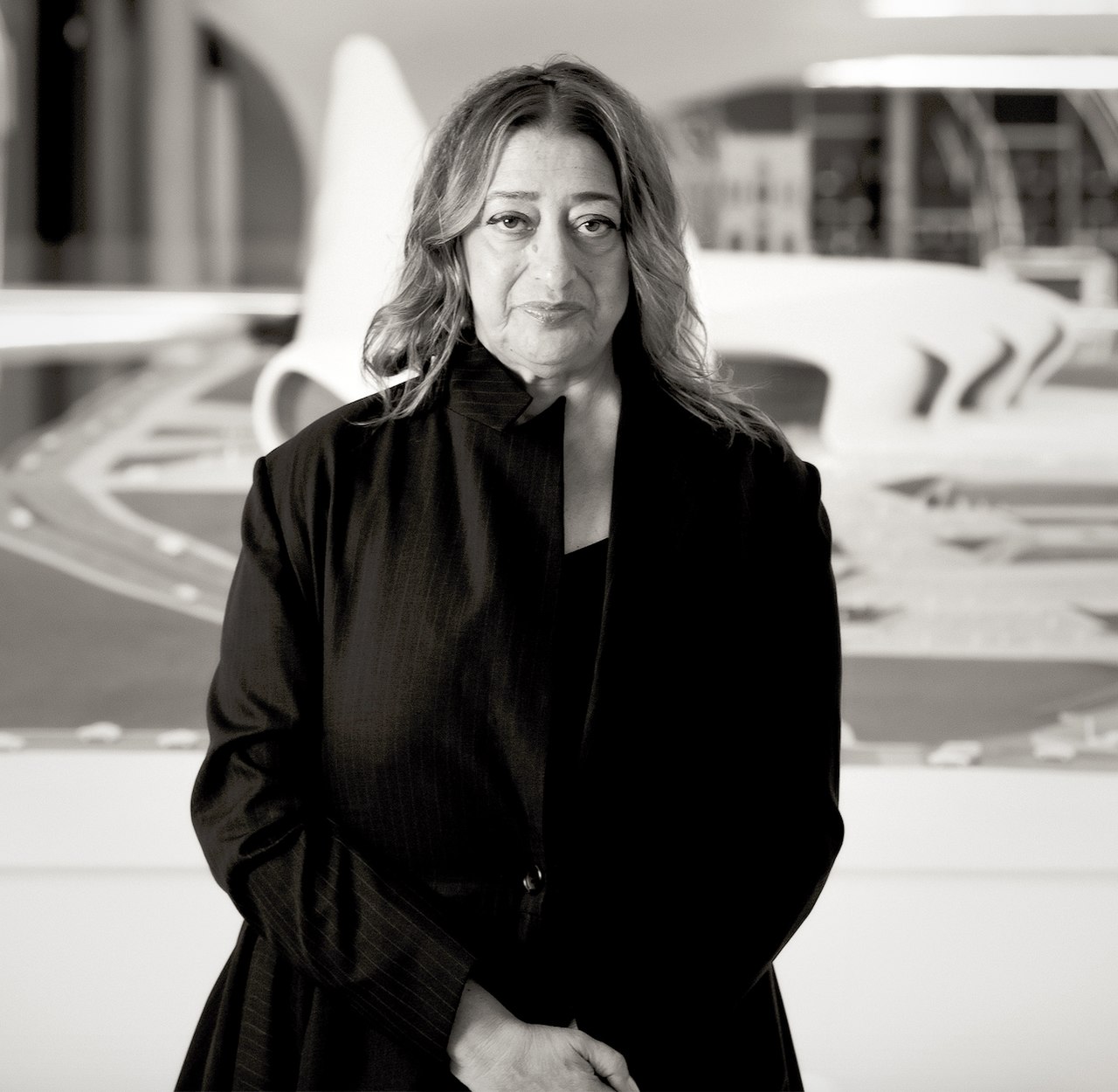
Zaha Hadid, the first woman to receive the Pritzker Architecture Prize in 2004, was a trailblazing architect known for her futuristic and parametric designs. Born on October 31, 1950, in Baghdad, Iraq, Hadid's work spanned from the Heydar Aliyev Center in Baku to the London Aquatics Centre. With a Vibe score of 92, her designs continue to inspire and provoke, often pushing the boundaries of what is possible. Hadid's influence can be seen in the work of architects such as Frank Gehry and Norman Foster, and her legacy extends beyond architecture to the fields of design, art, and culture. Despite controversy surrounding some of her projects, including the alleged mistreatment of migrant workers during the construction of the Al Wakrah Stadium in Qatar, Hadid's impact on the architectural world remains undeniable. As the field continues to evolve, it will be interesting to see how her designs and philosophies shape the future of urban planning and development, with many speculating that her parametric approach will become increasingly influential in the coming years.
🏗️ Introduction to Zaha Hadid
Zaha Hadid was a pioneering architect who left an indelible mark on the world of architecture. Born in Baghdad, Iraq, Hadid studied mathematics as an undergraduate before enrolling at the Architectural Association School of Architecture in 1972. Her unique approach to design, which blended elements of Suprematism and the Russian avant-garde, set her apart from her peers. Hadid's work was heavily influenced by Modernist ideals, and she sought to 'reinvestigate the aborted and untested experiments of Modernism' through her use of abstraction and painting as a design tool.
📚 Early Life and Education
Hadid's early life and education played a significant role in shaping her architectural style. Growing up in Baghdad, she was exposed to a unique blend of Islamic architecture and modern architecture. Her undergraduate studies in mathematics at the American University of Beirut laid the foundation for her future work in architecture. Hadid's decision to enroll at the Architectural Association School of Architecture in 1972 marked a turning point in her career, as she was introduced to a wide range of architectural styles and influences, including Deconstructivism and Postmodern architecture.
🎨 The Influence of Art on Architecture
The influence of art on architecture was a dominant theme throughout Hadid's career. Her use of painting as a design tool allowed her to explore new ways of representing and experiencing space. Hadid's paintings, which often featured abstract shapes and forms, were used to develop her architectural designs. This approach was influenced by the works of Kazimir Malevich and other Suprematist artists. Hadid's unique blend of art and architecture has inspired a new generation of architects, including Frank Gehry and Norman Foster.
📈 Rise to Prominence
Hadid's rise to prominence was marked by a series of high-profile projects and awards. Her design for the Vitra Fire Station in Germany, completed in 1993, brought her international recognition and established her as a leading figure in the world of architecture. Hadid's subsequent projects, including the Rosenthal Center for Contemporary Art in Cincinnati and the London Aquatics Centre, cemented her reputation as a pioneering architect. Her work has been recognized with numerous awards, including the Pritzker Architecture Prize and the RIBA Gold Medal.
🏢 Notable Projects
Some of Hadid's most notable projects include the Heydar Aliyev Center in Baku, Azerbaijan, and the Guangzhou Opera House in China. These projects showcase Hadid's unique approach to design, which often features parametric architecture and Deconstructivist elements. Hadid's use of computational design tools allowed her to create complex and innovative structures that push the boundaries of architectural design. Her work has been influenced by a range of architectural styles, including Brutalism and Expressionism.
🌎 International Recognition
Hadid's international recognition has been marked by a series of high-profile awards and honors. She was awarded the Pritzker Architecture Prize in 2004, becoming the first woman to receive the award. Hadid was also recognized with the RIBA Gold Medal in 2016, and was appointed a Dame Commander of the Order of the British Empire in 2012. Her work has been exhibited in museums and galleries around the world, including the Guggenheim Museum and the Tate Modern.
👩🎓 Legacy and Impact
Hadid's legacy and impact on the world of architecture are immeasurable. Her unique approach to design has inspired a new generation of architects, and her use of computational design tools has pushed the boundaries of what is possible in architectural design. Hadid's commitment to sustainability and environmental design has also had a significant impact on the field, with many of her projects incorporating green architecture and energy efficiency elements. Her work has been influenced by a range of architectural styles, including Biomimicry and Ecological architecture.
🤔 Criticisms and Controversies
Despite her many achievements, Hadid was not without her critics. Some have argued that her designs are overly complex and parametric, while others have criticized her use of Deconstructivist elements. Hadid's response to these criticisms was to continue pushing the boundaries of architectural design, and to challenge traditional notions of what is possible in the field. Her work has been influenced by a range of architectural styles, including Postmodern architecture and Critical Regionalism.
🌐 Influence on Contemporary Architecture
Hadid's influence on contemporary architecture is evident in the work of many young architects today. Her use of computational design tools and parametric architecture has inspired a new generation of designers, and her commitment to sustainability and environmental design has raised the bar for architects around the world. Hadid's legacy continues to be felt, with many of her projects still under construction or in development. Her work has been influenced by a range of architectural styles, including Digital architecture and Virtual architecture.
👥 Collaborations and Partnerships
Throughout her career, Hadid collaborated with a range of architects, designers, and artists. Her partnership with Patrik Schumacher, which began in the 1980s, was particularly significant, and the two architects worked together on many high-profile projects. Hadid also collaborated with a range of other architects, including Rem Koolhaas and Thom Mayne. Her work has been influenced by a range of architectural styles, including Deconstructivism and Expressionism.
💡 Design Philosophy and Style
Hadid's design philosophy and style were characterized by a unique blend of Modernist and Deconstructivist elements. Her use of abstraction and painting as a design tool allowed her to explore new ways of representing and experiencing space. Hadid's commitment to sustainability and environmental design was also a key aspect of her design philosophy, and many of her projects incorporated green architecture and energy efficiency elements. Her work has been influenced by a range of architectural styles, including Biomimicry and Ecological architecture.
🔮 Future of Architecture
As the field of architecture continues to evolve, it is likely that Hadid's legacy will play a significant role in shaping its future. Her use of computational design tools and parametric architecture has pushed the boundaries of what is possible in architectural design, and her commitment to sustainability and environmental design has raised the bar for architects around the world. As the world becomes increasingly urbanized, the need for innovative and sustainable architectural design will only continue to grow, and Hadid's work will likely serve as a model for architects seeking to create buildings that are both functional and beautiful.
Key Facts
- Year
- 1950
- Origin
- Baghdad, Iraq
- Category
- Architecture
- Type
- Person
Frequently Asked Questions
What was Zaha Hadid's background and education?
Zaha Hadid was born in Baghdad, Iraq, and studied mathematics as an undergraduate before enrolling at the Architectural Association School of Architecture in 1972. Her education played a significant role in shaping her architectural style, which was influenced by a range of architectural styles, including Modernism and Deconstructivism.
What were some of Zaha Hadid's most notable projects?
Some of Hadid's most notable projects include the Heydar Aliyev Center in Baku, Azerbaijan, and the Guangzhou Opera House in China. These projects showcase Hadid's unique approach to design, which often features parametric architecture and Deconstructivist elements. Her work has been influenced by a range of architectural styles, including Brutalism and Expressionism.
What was Zaha Hadid's design philosophy and style?
Hadid's design philosophy and style were characterized by a unique blend of Modernist and Deconstructivist elements. Her use of abstraction and painting as a design tool allowed her to explore new ways of representing and experiencing space. Hadid's commitment to sustainability and environmental design was also a key aspect of her design philosophy, and many of her projects incorporated green architecture and energy efficiency elements.
How did Zaha Hadid's work influence contemporary architecture?
Hadid's influence on contemporary architecture is evident in the work of many young architects today. Her use of computational design tools and parametric architecture has inspired a new generation of designers, and her commitment to sustainability and environmental design has raised the bar for architects around the world. Hadid's legacy continues to be felt, with many of her projects still under construction or in development.
What were some of the criticisms of Zaha Hadid's work?
Despite her many achievements, Hadid was not without her critics. Some have argued that her designs are overly complex and parametric, while others have criticized her use of Deconstructivist elements. Hadid's response to these criticisms was to continue pushing the boundaries of architectural design, and to challenge traditional notions of what is possible in the field.
What is Zaha Hadid's legacy and impact on the world of architecture?
Hadid's legacy and impact on the world of architecture are immeasurable. Her unique approach to design has inspired a new generation of architects, and her use of computational design tools has pushed the boundaries of what is possible in architectural design. Hadid's commitment to sustainability and environmental design has also had a significant impact on the field, with many of her projects incorporating green architecture and energy efficiency elements.
How did Zaha Hadid's collaborations with other architects and designers influence her work?
Throughout her career, Hadid collaborated with a range of architects, designers, and artists. Her partnership with Patrik Schumacher, which began in the 1980s, was particularly significant, and the two architects worked together on many high-profile projects. Hadid's collaborations with other architects, including Rem Koolhaas and Thom Mayne, also had a significant impact on her work, and helped to shape her unique approach to design.