
Contents
- 📚 Introduction to the Evolution of Work and Education
- 💼 The Industrial Revolution: A Turning Point in Work and Education
- 📊 The Rise of Mass Education and Its Impact on Work
- 🤖 The Digital Age: How Technology Is Changing Work and Education
- 📚 The Shift to Online Learning and Remote Work
- 🎯 The Importance of Skills Training in the Modern Workforce
- 📈 The Future of Work and Education: Trends and Predictions
- 🤝 The Role of Governments and Institutions in Shaping Work and Education
- 📊 The Economic Impact of Changes in Work and Education
- 📚 Conclusion: The Ever-Changing Landscape of Work and Education
- Frequently Asked Questions
- Related Topics
Overview
The landscape of work and education is undergoing a significant transformation, driven by technological innovations, demographic changes, and evolving workforce needs. According to a report by the World Economic Forum, by 2025, 50% of the global workforce will need to be reskilled. The rise of online learning platforms, such as Coursera and Udemy, has made it possible for people to access high-quality educational content from anywhere in the world. However, this shift also raises important questions about the role of traditional institutions, the impact of automation on job markets, and the need for lifelong learning. For instance, a study by McKinsey found that up to 800 million jobs could be lost worldwide due to automation by 2030. Moreover, the concept of work itself is being reexamined, with the gig economy and remote work arrangements becoming increasingly prevalent. As we move forward, it's essential to consider the potential consequences of these changes and how they will shape the future of work and education, with experts like Andrew Ng and Sal Khan at the forefront of this conversation.
📚 Introduction to the Evolution of Work and Education
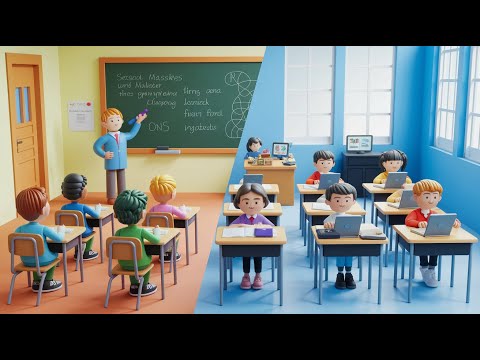
The evolution of work and education is a complex and multifaceted topic that has been shaped by various factors throughout history. The Industrial Revolution marked a significant turning point in the way people worked and learned, as it introduced new technologies and manufacturing processes that required a more skilled and educated workforce. As a result, mass education systems were established to provide workers with the necessary skills to adapt to the changing job market. Today, the digital age has brought about new challenges and opportunities for work and education, with the rise of online learning and remote work. For more information on the history of education, visit the History of Education page.
💼 The Industrial Revolution: A Turning Point in Work and Education
The Industrial Revolution was a pivotal moment in the evolution of work and education. As new machines and factories emerged, workers needed to acquire new skills to operate them. This led to the development of vocational training programs, which focused on teaching specific skills for particular jobs. The factory system also introduced a new way of organizing work, with workers performing specialized tasks on an assembly line. The impact of the Industrial Revolution on education can be seen in the work of Maria Montessori, who developed a new approach to education that emphasized hands-on learning and individualized instruction. To learn more about the factory system, visit the Industrialization page.
📊 The Rise of Mass Education and Its Impact on Work
The rise of mass education was a direct response to the changing needs of the workforce during the Industrial Revolution. As more people moved from rural areas to cities to work in factories, there was a growing need for educated workers who could perform complex tasks. John Dewey was a key figure in the development of mass education, as he advocated for a more practical and experiential approach to learning. The introduction of compulsory education laws also ensured that all children received a basic education, regardless of their social background. For more information on the history of compulsory education, visit the Compulsory Education page. The impact of mass education can be seen in the work of Alfred Marshall, who wrote about the importance of education in his book Principles of Economics.
🤖 The Digital Age: How Technology Is Changing Work and Education
The digital age has brought about significant changes in the way we work and learn. With the rise of artificial intelligence and automation, many jobs are being replaced by machines, and workers need to acquire new skills to remain employable. Online courses and MOOCs have made it possible for people to learn new skills from anywhere in the world, at any time. The gig economy has also introduced a new way of working, with people freelancing and working on short-term projects. To learn more about the gig economy, visit the Gig Economy page. The impact of the digital age on education can be seen in the work of Sebastian Thrun, who founded Udacity and developed a new approach to online learning. For more information on online learning, visit the Online Learning page.
📚 The Shift to Online Learning and Remote Work
The shift to online learning and remote work has been accelerated by the COVID-19 pandemic. As people have been forced to stay at home, they have had to adapt to new ways of working and learning. Zoom and other video conferencing tools have made it possible for people to communicate and collaborate remotely. The future of work will likely involve a combination of online and offline learning, as well as remote and in-person work. For more information on the future of work, visit the Future of Work page. The impact of the pandemic on education can be seen in the work of Sal Khan, who founded Khan Academy and developed a new approach to online learning. To learn more about Khan Academy, visit the Khan Academy page.
🎯 The Importance of Skills Training in the Modern Workforce
The importance of skills training in the modern workforce cannot be overstated. As automation and artificial intelligence continue to replace jobs, workers need to acquire new skills to remain employable. Coding and data science are just a few examples of the skills that are in high demand. The World Economic Forum has identified the top skills required for the future of work, including creativity, critical thinking, and problem-solving. For more information on the top skills required for the future of work, visit the World Economic Forum page. The impact of skills training on education can be seen in the work of Andrew Ng, who founded Coursera and developed a new approach to online learning. To learn more about Coursera, visit the Coursera page.
📈 The Future of Work and Education: Trends and Predictions
The future of work and education will be shaped by a variety of factors, including technological advancements, demographic changes, and environmental factors. The United Nations has identified the Sustainable Development Goals, which include quality education and decent work. The impact of these factors on education can be seen in the work of Malala Yousafzai, who advocates for girls' education and has developed a new approach to education. For more information on the Sustainable Development Goals, visit the Sustainable Development Goals page. To learn more about Malala Yousafzai, visit the Malala Yousafzai page.
🤝 The Role of Governments and Institutions in Shaping Work and Education
The role of governments and institutions in shaping work and education is crucial. Policy makers need to create policies that support the development of skills and education, while also addressing the challenges posed by automation and artificial intelligence. The Organisation for Economic Co-operation and Development has developed a framework for future of education, which includes a focus on lifelong learning and skills development. For more information on the framework, visit the Organisation for Economic Co-operation and Development page. The impact of government policies on education can be seen in the work of Tony Blair, who introduced education reform in the UK. To learn more about education reform, visit the Education Reform page.
📊 The Economic Impact of Changes in Work and Education
The economic impact of changes in work and education is significant. The World Bank has estimated that the future of work will require a significant investment in education and training. The International Labour Organization has also identified the need for social protection policies to support workers who are displaced by automation. For more information on social protection policies, visit the International Labour Organization page. The impact of economic changes on education can be seen in the work of Joseph Stiglitz, who has written about the importance of education and economic development. To learn more about education and economic development, visit the Education and Economic Development page.
📚 Conclusion: The Ever-Changing Landscape of Work and Education
In conclusion, the evolution of work and education is a complex and multifaceted topic that has been shaped by various factors throughout history. As we look to the future, it is clear that education and skills training will play a crucial role in preparing workers for the challenges of the future of work. The impact of the digital age on education can be seen in the work of Clay Shirky, who has written about the importance of online learning and participatory culture. For more information on participatory culture, visit the Participatory Culture page. To learn more about the future of work, visit the Future of Work page.
Key Facts
- Year
- 2022
- Origin
- Vibepedia
- Category
- Sociology
- Type
- Concept
Frequently Asked Questions
What is the impact of the Industrial Revolution on work and education?
The Industrial Revolution had a significant impact on work and education, as it introduced new technologies and manufacturing processes that required a more skilled and educated workforce. This led to the development of mass education systems and vocational training programs. For more information on the Industrial Revolution, visit the Industrial Revolution page.
How has the digital age changed the way we work and learn?
The digital age has brought about significant changes in the way we work and learn, with the rise of online learning and remote work. New technologies such as artificial intelligence and automation have also replaced many jobs, requiring workers to acquire new skills to remain employable. For more information on the digital age, visit the Digital Age page.
What are the top skills required for the future of work?
The top skills required for the future of work include creativity, critical thinking, and problem-solving. Coding and data science are also in high demand. The World Economic Forum has identified these skills as essential for the future of work. For more information on the top skills required for the future of work, visit the World Economic Forum page.
What is the role of governments and institutions in shaping work and education?
The role of governments and institutions in shaping work and education is crucial. Policy makers need to create policies that support the development of skills and education, while also addressing the challenges posed by automation and artificial intelligence. The Organisation for Economic Co-operation and Development has developed a framework for the future of education, which includes a focus on lifelong learning and skills development. For more information on the framework, visit the Organisation for Economic Co-operation and Development page.
What is the economic impact of changes in work and education?
The economic impact of changes in work and education is significant. The World Bank has estimated that the future of work will require a significant investment in education and training. The International Labour Organization has also identified the need for social protection policies to support workers who are displaced by automation. For more information on social protection policies, visit the International Labour Organization page.