
Contents
- 🎓 Introduction to Higher Education in the US
- 📚 Private Universities: History and Overview
- 🏫 Public Universities: History and Overview
- 💸 Funding and Tuition: Private vs Public Universities
- 📊 Academic Programs and Research: A Comparison
- 👥 Campus Life and Student Experience: Private vs Public
- 📈 Rankings and Accreditation: How Universities Stack Up
- 🤝 Partnerships and Collaborations: Bridging the Gap
- 📊 Economic Impact: Private and Public Universities
- 🚀 Future of Higher Education: Trends and Predictions
- 📝 Conclusion: Weighing the Options
- Frequently Asked Questions
- Related Topics
Overview
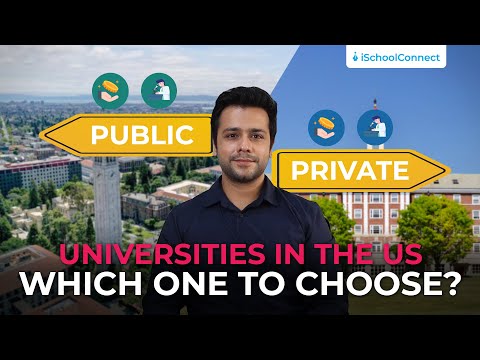
The debate between private and public universities in the United States has been ongoing, with each side having its own set of advantages and disadvantages. Private universities, such as Harvard and Stanford, are often seen as more prestigious and offer smaller class sizes, but come with a hefty price tag, with tuition fees ranging from $50,000 to over $60,000 per year. On the other hand, public universities, such as the University of California and the University of Michigan, offer a more affordable option, with in-state tuition fees ranging from $10,000 to $20,000 per year. However, public universities often have larger class sizes and limited resources. According to a report by the National Center for Education Statistics, the average debt load for students graduating from private non-profit colleges was $31,300 in 2020, compared to $20,400 for students graduating from public colleges. Despite these differences, both private and public universities play a crucial role in shaping the country's higher education landscape, with public universities accounting for over 70% of total enrollment. As the cost of higher education continues to rise, the question remains: which type of university offers the best value for students and society as a whole?
🎓 Introduction to Higher Education in the US
The United States is home to some of the world's most prestigious universities, with a mix of private and public institutions offering a wide range of academic programs. The higher education landscape in the US is complex, with both private and public universities playing a significant role. Private universities, such as Harvard University and Stanford University, are known for their academic excellence and research opportunities. On the other hand, public universities, such as University of California and University of Michigan, offer a more affordable option for students. The education system in the US is designed to provide students with a range of options, from community colleges to research universities.
📚 Private Universities: History and Overview
Private universities in the US have a long history, dating back to the 17th century. These institutions were often founded by religious groups or wealthy individuals, with the goal of providing a high-quality education to a select group of students. Today, private universities are known for their small class sizes, experienced faculty, and state-of-the-art facilities. For example, MIT is a private university that is renowned for its programs in engineering and computer science. Private universities also offer a range of academic programs, from liberal arts to business administration. However, the cost of attendance at private universities can be prohibitively expensive for many students, making it difficult for them to pursue a degree without significant financial aid.
🏫 Public Universities: History and Overview
Public universities, on the other hand, are funded by the state and are generally more affordable than private universities. These institutions were established to provide access to higher education for a wider range of students, regardless of their financial background. Public universities, such as University of Texas and University of Washington, offer a diverse range of academic programs, including graduate programs and online courses. Public universities also have a strong focus on research and development, with many institutions receiving significant funding from government agencies and private organizations. However, public universities often have larger class sizes and fewer resources than private universities, which can impact the quality of education. The education policy in the US has a significant impact on the funding and management of public universities.
💸 Funding and Tuition: Private vs Public Universities
One of the main differences between private and public universities is the funding model. Private universities rely on tuition fees, donations, and endowments to fund their operations, while public universities receive funding from the state. This means that public universities are often more affordable, with lower tuition fees and a range of financial aid options available to students. For example, the Pell Grant program provides need-based grants to low-income students, making it easier for them to attend college. However, private universities often have more resources and better facilities, which can enhance the overall student experience. The cost of living in the US can also vary significantly depending on the location, with cities like New York City and San Francisco being particularly expensive.
📊 Academic Programs and Research: A Comparison
In terms of academic programs, both private and public universities offer a wide range of options. Private universities, such as Columbia University and University of Chicago, are known for their strong programs in humanities and social sciences. Public universities, on the other hand, often have strong programs in STEM fields, such as engineering and computer science. Many universities, both private and public, also offer online courses and distance learning options, making it easier for students to access higher education. The academic calendar in the US typically consists of two semesters, with a summer break in between.
👥 Campus Life and Student Experience: Private vs Public
Campus life and student experience can vary significantly between private and public universities. Private universities often have smaller student bodies and a more intimate campus environment, which can foster a sense of community and belonging among students. For example, Amherst College is a small liberal arts college that is known for its close-knit community and strong faculty-student relationships. Public universities, on the other hand, often have larger student bodies and a more diverse range of extracurricular activities and student organizations. The student life in the US is often vibrant and dynamic, with many universities offering a range of student clubs and student organizations.
📈 Rankings and Accreditation: How Universities Stack Up
Rankings and accreditation are important considerations for students choosing between private and public universities. Both types of institutions can be accredited by recognized accrediting agencies, such as the Middle States Commission on Higher Education. However, private universities are often ranked higher in national rankings, such as the US News and World Report rankings. For example, Princeton University is consistently ranked as one of the top universities in the US. Public universities, on the other hand, may have a stronger reputation in certain fields or regions. The ranking system in the US can be complex and nuanced, with different rankings emphasizing different criteria.
🤝 Partnerships and Collaborations: Bridging the Gap
Partnerships and collaborations between private and public universities are becoming increasingly common. These partnerships can take many forms, from research collaborations to joint degree programs. For example, MIT and Harvard have a long-standing partnership in the field of biomedical engineering. These partnerships can help to bridge the gap between private and public universities, and provide students with access to a wider range of resources and opportunities. The partnership model in the US is often based on a public-private partnership approach, with both types of institutions working together to achieve common goals.
📊 Economic Impact: Private and Public Universities
The economic impact of private and public universities is significant. Both types of institutions contribute to the local economy through job creation, research and development, and spin-off companies. For example, Stanford University is located in the heart of Silicon Valley, and has played a key role in the development of the tech industry. Public universities, on the other hand, often have a stronger focus on community engagement and regional development. The economic impact of universities in the US can be substantial, with many institutions generating billions of dollars in economic activity each year.
🚀 Future of Higher Education: Trends and Predictions
The future of higher education in the US is likely to be shaped by a range of trends and predictions. One of the main trends is the increasing demand for online and distance learning options, which can provide students with more flexibility and accessibility. Another trend is the growing importance of STEM education, which can help to prepare students for careers in fields such as tech and engineering. The future of education in the US is likely to be shaped by a range of factors, including technology, demographics, and economics.
📝 Conclusion: Weighing the Options
In conclusion, the choice between private and public universities in the US depends on a range of factors, including academic programs, cost, and campus life. Both types of institutions have their strengths and weaknesses, and students should carefully consider their options before making a decision. The higher education system in the US is complex and multifaceted, with many different types of institutions and programs available. By doing their research and weighing their options carefully, students can make an informed decision that is right for them.
Key Facts
- Year
- 2022
- Origin
- United States
- Category
- Education
- Type
- Educational Institution
- Format
- comparison
Frequently Asked Questions
What is the main difference between private and public universities in the US?
The main difference between private and public universities in the US is the funding model. Private universities rely on tuition fees, donations, and endowments to fund their operations, while public universities receive funding from the state. This means that public universities are often more affordable, with lower tuition fees and a range of financial aid options available to students.
Which type of university is better, private or public?
The answer to this question depends on a range of factors, including academic programs, cost, and campus life. Both private and public universities have their strengths and weaknesses, and students should carefully consider their options before making a decision. Private universities often have smaller class sizes and more resources, but can be more expensive. Public universities, on the other hand, often have larger class sizes and fewer resources, but can be more affordable.
Can I get financial aid to attend a private university?
Yes, many private universities offer financial aid to students, including scholarships, grants, and loans. The amount and type of financial aid available will depend on the university and the student's individual circumstances. Students should research the financial aid options available at each university they are considering and contact the financial aid office to discuss their options.
What are the benefits of attending a public university?
The benefits of attending a public university include lower tuition fees, a more diverse range of academic programs, and a stronger focus on community engagement and regional development. Public universities also often have a wider range of extracurricular activities and student organizations, which can enhance the overall student experience.
How do I choose between private and public universities?
To choose between private and public universities, students should consider a range of factors, including academic programs, cost, campus life, and financial aid options. Students should research each university they are considering and weigh the pros and cons of each option. It may also be helpful to visit each campus and talk to current students and faculty members to get a sense of which university is the best fit.
What is the role of accreditation in higher education?
Accreditation plays a crucial role in higher education, as it ensures that universities meet certain standards of quality and academic rigor. Accreditation can also impact a university's reputation and ability to attract students and faculty. Students should look for universities that are accredited by recognized accrediting agencies, such as the Middle States Commission on Higher Education.
How do private and public universities contribute to the economy?
Both private and public universities contribute to the economy through job creation, research and development, and spin-off companies. Private universities often have a stronger focus on research and development, while public universities often have a stronger focus on community engagement and regional development. The economic impact of universities can be substantial, with many institutions generating billions of dollars in economic activity each year.