
Contents
- 🌠 Introduction to Cosmic Visionaries
- 🚀 The Life and Work of Gerard Kuiper
- 🌌 The Life and Work of Carl Sagan
- 🤔 Contrasting Views: Kuiper vs Sagan
- 📊 Contributions to Astronomy: A Comparative Analysis
- 🌟 The Role of Science Communication: Sagan's Legacy
- 🚫 Criticisms and Controversies: Kuiper and Sagan
- 🌐 Influence and Legacy: Kuiper and Sagan's Impact on Modern Astronomy
- 🔭 The Future of Astronomy: Reflections from Kuiper and Sagan's Work
- 📚 Recommended Reading: Exploring the Works of Kuiper and Sagan
- 👥 Conclusion: The Enduring Legacy of Cosmic Visionaries
- Frequently Asked Questions
- Related Topics
Overview
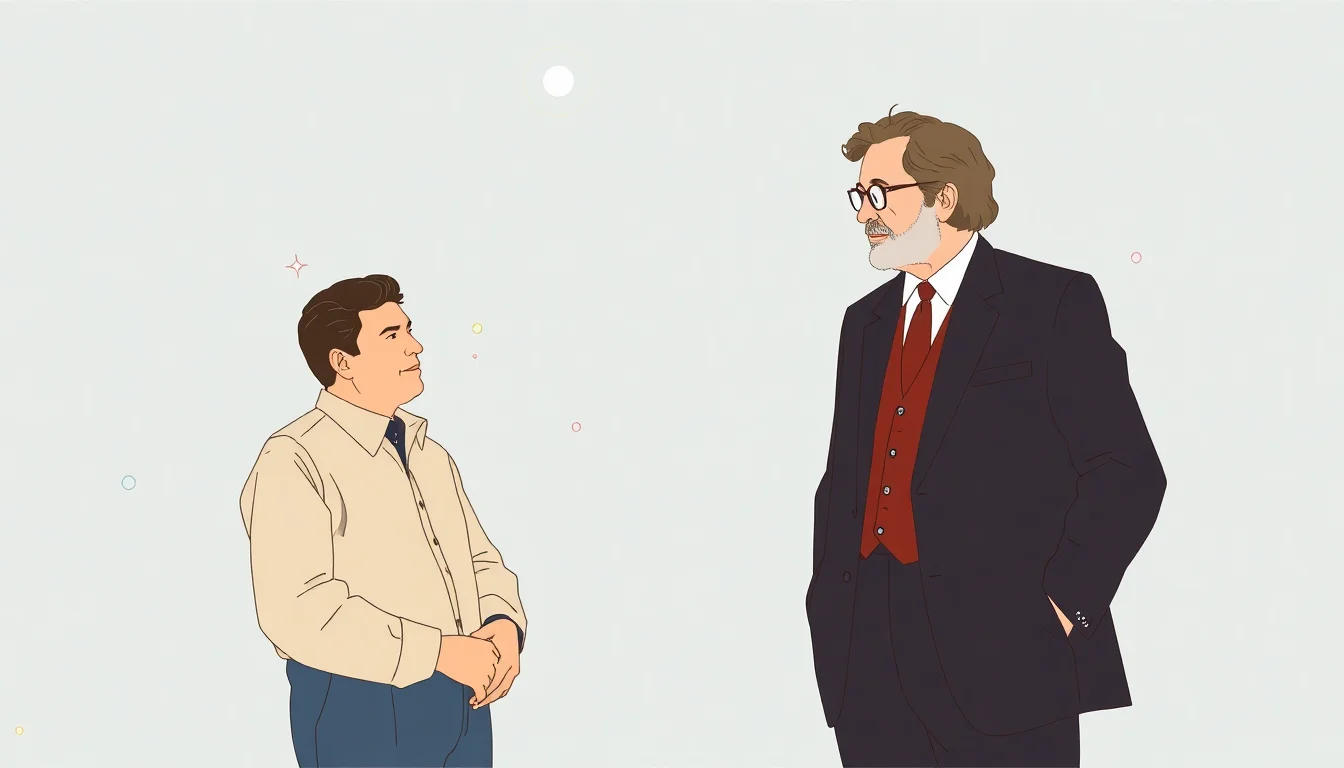
Gerard Kuiper and Carl Sagan are two pivotal figures in the history of astronomy, each leaving an indelible mark on our understanding of the cosmos. Kuiper, a Dutch-American astronomer, is renowned for his groundbreaking work on the solar system's structure and the discovery of numerous moons and asteroids. In contrast, Sagan, an American astronomer and science communicator, is celebrated for his role in popularizing astronomy through his iconic book and television series 'Cosmos.' While both scientists shared a passion for unraveling the mysteries of the universe, their approaches and areas of focus differed significantly. Kuiper's meticulous research and Sagan's captivating storytelling abilities not only complemented each other but also reflected the diverse ways in which scientists can contribute to the advancement of human knowledge. The contrast between Kuiper's reserved, research-oriented personality and Sagan's charismatic, publicly engaged persona also underscores the varied paths to success in the scientific community. As we continue to explore the vast expanse of space, the legacy of these two visionaries serves as a reminder of the power of human curiosity and the importance of interdisciplinary approaches to understanding the cosmos. The enduring impact of their work raises intriguing questions about the future of space exploration and the scientists who will shape our understanding of the universe in the years to come.
🌠 Introduction to Cosmic Visionaries
The field of astronomy has been shaped by numerous visionaries, but two figures stand out for their significant contributions: Gerard Kuiper and Carl Sagan. Both were renowned for their work in understanding the cosmos, but their approaches and perspectives differed significantly. This article delves into the lives and works of these two cosmic visionaries, exploring their contributions to astronomy, their contrasting views, and their lasting impact on the field. For a deeper understanding of the universe, it's essential to explore the works of Galileo Galilei and Isaac Newton, who laid the foundation for modern astronomy. The study of cosmology and astrophysics has also been influenced by the work of Kuiper and Sagan.
🚀 The Life and Work of Gerard Kuiper
Gerard Kuiper was a Dutch-American astronomer born in 1905 in the Netherlands. He is best known for his work on the Kuiper Belt, a region of the solar system containing many small, icy bodies. Kuiper's contributions to astronomy were vast, and he was one of the first scientists to propose the existence of a belt of icy bodies beyond Neptune. His work on the moons of the solar system also shed light on the formation and evolution of our celestial neighborhood. Kuiper's discoveries paved the way for future astronomers, including Carl Sagan, who built upon his work. The study of planetary science has also been influenced by Kuiper's research on the formation of the solar system.
🌌 The Life and Work of Carl Sagan
Carl Sagan, on the other hand, was an American astronomer and science communicator born in 1934. He is widely recognized for his work on the Cosmos television series, which brought astronomy to the masses. Sagan's contributions to astronomy were not only limited to his research but also to his ability to communicate complex ideas to a broad audience. His work on the Search for Extraterrestrial Intelligence (SETI) and the Drake Equation sparked interest in the possibility of life beyond Earth. Sagan's legacy extends beyond his scientific contributions, as he inspired a generation of scientists and science enthusiasts. His work on science communication has been instrumental in making astronomy more accessible to the public. The astronomy community has also been shaped by Sagan's efforts to promote astronomy education and outreach.
🤔 Contrasting Views: Kuiper vs Sagan
While both Kuiper and Sagan were prominent figures in astronomy, their views on the field differed. Kuiper was more focused on the scientific aspects of astronomy, whereas Sagan was known for his ability to communicate complex ideas to a broad audience. Their contrasting views on the Search for Extraterrestrial Intelligence (SETI), for example, highlight the different approaches they took to understanding the universe. Kuiper was skeptical of the idea of extraterrestrial life, while Sagan was more open to the possibility. This contrast in views reflects the diverse perspectives within the astronomy community, as seen in the works of Stephen Hawking and Neil deGrasse Tyson. The debate surrounding The Fermi Paradox also showcases the varying opinions on the existence of extraterrestrial life.
📊 Contributions to Astronomy: A Comparative Analysis
A comparative analysis of Kuiper and Sagan's contributions to astronomy reveals that both scientists made significant impacts on our understanding of the universe. Kuiper's work on the Kuiper Belt and the moons of the solar system expanded our knowledge of the solar system, while Sagan's work on the Cosmos television series and the Search for Extraterrestrial Intelligence (SETI) sparked interest in astronomy and the possibility of life beyond Earth. Their contributions demonstrate the importance of both scientific research and science communication in advancing our understanding of the universe. The study of exoplanetary science has also been influenced by the work of Kuiper and Sagan, as scientists continue to explore the possibility of life on other planets. The astronomy community has benefited from the contributions of both Kuiper and Sagan, as their work has inspired new generations of astronomers and scientists.
🌟 The Role of Science Communication: Sagan's Legacy
Carl Sagan's legacy in science communication is unparalleled. His ability to convey complex ideas in a clear and concise manner made astronomy accessible to a broad audience. Sagan's work on the Cosmos television series and his books, such as Contact and The Dragons of Eden, demonstrate his commitment to science communication. His efforts have inspired a generation of scientists and science communicators, including Neil deGrasse Tyson and Bill Nye. The importance of science communication in astronomy cannot be overstated, as it plays a crucial role in promoting astronomy education and outreach. The science communication community has been shaped by Sagan's work, as scientists and educators strive to make complex ideas more accessible to the public.
🚫 Criticisms and Controversies: Kuiper and Sagan
Both Kuiper and Sagan faced criticisms and controversies throughout their careers. Kuiper's skepticism of the idea of extraterrestrial life was met with criticism from some in the scientific community, while Sagan's involvement in the nuclear winter debate sparked controversy. Despite these challenges, both scientists remained committed to their work and continued to contribute to the field of astronomy. The debate surrounding The Search for Extraterrestrial Intelligence (SETI) also highlights the controversies and criticisms faced by scientists in the field. The astronomy community has learned to navigate these controversies, as scientists strive to advance our understanding of the universe while addressing the challenges and criticisms that arise.
🌐 Influence and Legacy: Kuiper and Sagan's Impact on Modern Astronomy
The influence and legacy of Kuiper and Sagan on modern astronomy are undeniable. Their contributions to our understanding of the universe have paved the way for future generations of astronomers. The study of exoplanetary science and the Search for Extraterrestrial Intelligence (SETI) are just a few examples of the areas that have been shaped by their work. As we continue to explore the universe, we must reflect on the work of Kuiper and Sagan, who have inspired us to push the boundaries of human knowledge. The astronomy community continues to build upon the foundations laid by Kuiper and Sagan, as scientists strive to advance our understanding of the universe. The space exploration efforts of today are also a testament to the legacy of Kuiper and Sagan, as we continue to explore the cosmos and push the boundaries of human knowledge.
🔭 The Future of Astronomy: Reflections from Kuiper and Sagan's Work
As we look to the future of astronomy, we must reflect on the work of Kuiper and Sagan. Their contributions to our understanding of the universe have paved the way for future generations of astronomers. The study of cosmology and astrophysics will continue to shape our understanding of the universe, and scientists will build upon the foundations laid by Kuiper and Sagan. The astronomy community will continue to explore the universe, driven by the curiosity and passion that defined the work of Kuiper and Sagan. The space exploration efforts of today are also a testament to the legacy of Kuiper and Sagan, as we continue to explore the cosmos and push the boundaries of human knowledge. The search for extraterrestrial life will also continue, as scientists strive to answer one of humanity's most profound questions.
📚 Recommended Reading: Exploring the Works of Kuiper and Sagan
For those interested in exploring the works of Kuiper and Sagan, there are several recommended readings. Sagan's book Cosmos is a classic in the field, while Kuiper's work on the Kuiper Belt can be found in various scientific journals. The astronomy community has also produced numerous resources, including documentaries and online courses, that showcase the contributions of Kuiper and Sagan. The study of astronomy has been made more accessible by the work of Kuiper and Sagan, and their legacy continues to inspire new generations of scientists and science enthusiasts. The science communication community has also been shaped by the work of Sagan, as scientists and educators strive to make complex ideas more accessible to the public.
👥 Conclusion: The Enduring Legacy of Cosmic Visionaries
In conclusion, the legacy of Gerard Kuiper and Carl Sagan serves as a reminder of the power of human curiosity and the importance of exploring the universe. Their contributions to astronomy have paved the way for future generations of scientists, and their work continues to inspire us to push the boundaries of human knowledge. As we look to the future of astronomy, we must reflect on the work of Kuiper and Sagan, who have inspired us to explore the cosmos and to never stop wondering about the mysteries of the universe. The astronomy community will continue to build upon the foundations laid by Kuiper and Sagan, as scientists strive to advance our understanding of the universe. The search for extraterrestrial life will also continue, as scientists strive to answer one of humanity's most profound questions.
Key Facts
- Year
- 1950-1990
- Origin
- United States, Netherlands
- Category
- Astronomy
- Type
- Person
- Format
- comparison
Frequently Asked Questions
Who was Gerard Kuiper?
Gerard Kuiper was a Dutch-American astronomer born in 1905 in the Netherlands. He is best known for his work on the Kuiper Belt, a region of the solar system containing many small, icy bodies. Kuiper's contributions to astronomy were vast, and he was one of the first scientists to propose the existence of a belt of icy bodies beyond Neptune. His work on the moons of the solar system also shed light on the formation and evolution of our celestial neighborhood.
What was Carl Sagan's contribution to astronomy?
Carl Sagan was an American astronomer and science communicator who made significant contributions to astronomy. His work on the Cosmos television series and his books, such as Contact and The Dragons of Eden, demonstrate his commitment to science communication. Sagan's efforts have inspired a generation of scientists and science communicators, and his legacy continues to shape the field of astronomy. His work on the Search for Extraterrestrial Intelligence (SETI) and the Drake Equation sparked interest in the possibility of life beyond Earth.
What is the Kuiper Belt?
The Kuiper Belt is a region of the solar system containing many small, icy bodies. It is a disk-shaped region that extends from about 30 to 55 astronomical units (AU) from the Sun, and it is thought to be a reservoir for short-period comets. The Kuiper Belt is named after Gerard Kuiper, who first proposed its existence in the 1950s. The study of the Kuiper Belt has shed light on the formation and evolution of our solar system, and it continues to be an active area of research in astronomy.
What is the significance of the Search for Extraterrestrial Intelligence (SETI)?
The Search for Extraterrestrial Intelligence (SETI) is a scientific effort to detect signs of intelligent life elsewhere in the universe. The significance of SETI lies in its potential to answer one of humanity's most profound questions: are we alone in the universe? The search for extraterrestrial life has sparked interest and debate in the scientific community, and it continues to be an active area of research. The work of Carl Sagan and other scientists has contributed to our understanding of the possibility of life beyond Earth, and it has inspired new generations of scientists and science enthusiasts.
How have Kuiper and Sagan's contributions impacted modern astronomy?
The contributions of Kuiper and Sagan have had a significant impact on modern astronomy. Their work on the Kuiper Belt and the Search for Extraterrestrial Intelligence (SETI) has paved the way for future generations of astronomers. The study of exoplanetary science and the search for extraterrestrial life are just a few examples of the areas that have been shaped by their work. As we continue to explore the universe, we must reflect on the work of Kuiper and Sagan, who have inspired us to push the boundaries of human knowledge.