
Contents
- 🌿 Introduction to Vertical Gardening
- 🏗️ History and Evolution of Green Walls
- 🌸 Benefits of Vertical Gardening
- 🌱 Types of Vertical Gardens
- 🌻 Design and Installation Considerations
- 💡 Maintenance and Upkeep of Vertical Gardens
- 🌴 Case Studies and Success Stories
- 🌟 Future of Vertical Gardening
- 🌎 Global Impact and Adoption
- 🤝 Community Involvement and Education
- Frequently Asked Questions
- Related Topics
Overview
Vertical gardening, a practice that dates back to ancient civilizations such as the Hanging Gardens of Babylon (circa 600 BC), has experienced a resurgence in popularity in recent years, with a Vibe score of 82. This method of growing plants in vertically stacked layers has been adopted by urban farmers, backyard enthusiasts, and even corporations like Amazon, which has incorporated vertical gardens into its Seattle headquarters. The benefits of vertical gardening are numerous, including increased crop yields, reduced water consumption, and improved air quality. However, critics argue that the high upfront costs and limited accessibility of vertical gardening systems can create a barrier to entry for low-income communities. As the global population continues to urbanize, with an estimated 68% of people projected to live in cities by 2050, according to the United Nations, vertical gardening is poised to play a critical role in increasing food security and reducing the environmental impact of traditional farming practices. With innovators like Patrick Blanc, a French botanist who has designed over 300 vertical gardens worldwide, pushing the boundaries of what is possible, the future of vertical gardening looks bright, with potential applications in everything from space exploration to disaster relief.
🌿 Introduction to Vertical Gardening
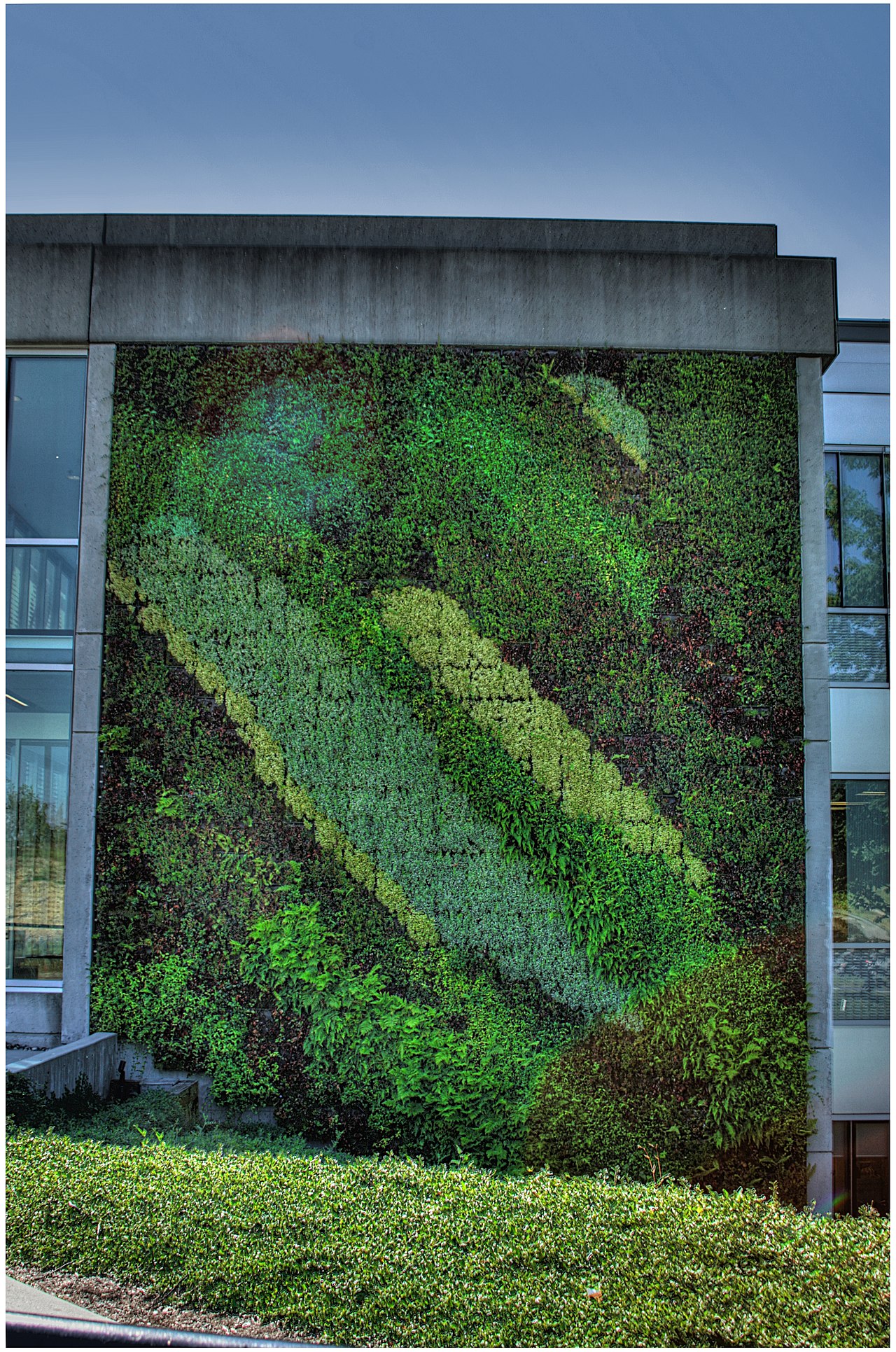
Vertical gardening, also known as living walls or green walls, has become a popular trend in Sustainable Living and Urban Planning. A green wall is a vertical built structure intentionally covered by vegetation, including a vertically applied growth medium such as soil, substitute substrate, or hydroculture felt; as well as an integrated hydration and fertigation delivery system. This concept has been around for decades, but its popularity has increased in recent years due to its numerous benefits, including Air Quality Improvement and Noise Reduction. The use of green walls can also be seen in Biophilic Design, which aims to reconnect people with nature. As the world becomes increasingly urbanized, vertical gardening has become a vital component of Urban Agriculture and Green Infrastructure.
🏗️ History and Evolution of Green Walls
The history of green walls dates back to the 1930s, when Patrick Blanc, a French botanist, developed the first vertical garden. However, it wasn't until the 1980s that the concept gained popularity, particularly in Japan and Europe. The early green walls were simple structures, often made of Concrete or Wood, with plants growing in Soil. Over time, the design and materials used in green walls have evolved, with the introduction of new technologies and Innovative Materials. Today, green walls can be found in various settings, from residential buildings to Commercial Spaces, and even in Public Parks. The concept of green walls has also been influenced by Permaculture and Regenerative Design.
🌸 Benefits of Vertical Gardening
The benefits of vertical gardening are numerous and well-documented. Green walls can help to Improve Air Quality by removing pollutants and toxins from the air, while also providing Thermal Insulation and reducing Energy Consumption. They can also help to mitigate the Urban Heat Island Effect and reduce Stormwater Runoff. In addition, green walls can provide a natural habitat for Wildlife, such as birds and insects, and can even help to reduce Noise Pollution. The use of green walls can also be seen in Wellness and Self-Care, as they can provide a calming and peaceful environment. As the world grapples with the challenges of Climate Change, vertical gardening has become an essential tool in the fight against Global Warming. The concept of green walls has also been influenced by Ecological Design and Systems Thinking.
🌱 Types of Vertical Gardens
There are several types of vertical gardens, each with its own unique characteristics and benefits. Living Walls are the most common type, consisting of a vertically applied growth medium and an integrated hydration and fertigation delivery system. Green Roofs, on the other hand, are horizontal or sloping surfaces covered with vegetation. Wall-Mounted Planters are a more simple and affordable option, consisting of planters attached to a wall or fence. Trellis Systems are another type of vertical garden, using a trellis or other support system to train plants to grow upwards. The choice of vertical garden type depends on factors such as Space Constraints, Budget, and Maintenance Requirements. The use of green walls can also be seen in Landscape Architecture and Urban Design.
🌻 Design and Installation Considerations
When designing and installing a vertical garden, there are several factors to consider. The choice of Plants is crucial, as different species have different requirements and benefits. The Growth Medium used can also affect the health and longevity of the plants. The Hydration and Fertigation System must be carefully designed to ensure that the plants receive the right amount of water and nutrients. The Structural Integrity of the wall or support system is also essential, as it must be able to support the weight of the plants and growth medium. The use of Recycled Materials and Sustainable Practices can also be considered in the design and installation of vertical gardens. As the demand for vertical gardening continues to grow, Innovative Technologies and New Materials are being developed to make the process easier and more efficient. The concept of green walls has also been influenced by Circular Economy and Biomimicry.
💡 Maintenance and Upkeep of Vertical Gardens
Maintaining a vertical garden requires regular upkeep and attention. The Plants must be watered and fertilized regularly, and the Growth Medium must be monitored for moisture and nutrient levels. The Hydration and Fertigation System must be checked regularly to ensure that it is functioning properly. Pruning and Training the plants is also essential to maintain their health and appearance. Pest and Disease Management is also crucial, as vertical gardens can be susceptible to pests and diseases. The use of Integrated Pest Management and Organic Gardening Practices can help to minimize the risk of pests and diseases. As the popularity of vertical gardening continues to grow, New Products and Services are being developed to make maintenance easier and more efficient. The concept of green walls has also been influenced by Agroecology and Permaculture Design.
🌴 Case Studies and Success Stories
There are many case studies and success stories of vertical gardening around the world. In Singapore, for example, the government has implemented a Green Wall Initiative to promote the use of green walls in urban areas. In New York City, the High Line is a famous example of a vertical garden, built on an elevated rail line. In Tokyo, the Shibuya Station has a large vertical garden, providing a peaceful oasis in the midst of a bustling city. These examples demonstrate the potential of vertical gardening to transform urban spaces and improve the quality of life for city dwellers. The use of green walls can also be seen in Urban Renewal and Community Development.
🌟 Future of Vertical Gardening
As the world continues to urbanize, the future of vertical gardening looks bright. With the development of New Technologies and Innovative Materials, vertical gardens are becoming more efficient, sustainable, and affordable. The use of Artificial Intelligence and Internet of Things is also being explored to optimize the performance of vertical gardens. As the demand for sustainable and eco-friendly solutions continues to grow, vertical gardening is likely to play an increasingly important role in Urban Planning and Sustainable Development. The concept of green walls has also been influenced by Systems Thinking and Futures Studies.
🌎 Global Impact and Adoption
The global impact and adoption of vertical gardening are significant. In Asia, for example, vertical gardening is being used to address Urbanization and Environmental Degradation. In Europe, vertical gardening is being used to promote Sustainable Urban Planning and Green Infrastructure. In North America, vertical gardening is being used to address Climate Change and Food Security. As the world continues to grapple with the challenges of Global Warming and Environmental Sustainability, vertical gardening is likely to play an increasingly important role in the global response. The use of green walls can also be seen in Global Health and Disaster Resilience.
🤝 Community Involvement and Education
Community involvement and education are essential for the success of vertical gardening. Workshops and Training Programs can help to educate people about the benefits and best practices of vertical gardening. Community Gardens can provide a space for people to come together and share knowledge and resources. Social Media and Online Platforms can also be used to promote vertical gardening and connect people with similar interests. As the popularity of vertical gardening continues to grow, it is likely that community involvement and education will play an increasingly important role in promoting the adoption of this sustainable practice. The concept of green walls has also been influenced by Social Movement Theory and Participatory Action Research.
Key Facts
- Year
- 2023
- Origin
- Ancient Mesopotamia
- Category
- Sustainable Living
- Type
- Agricultural Practice
Frequently Asked Questions
What is vertical gardening?
Vertical gardening, also known as living walls or green walls, is a type of gardening where plants are grown on a vertical surface, such as a wall or fence. This can be done using a variety of methods, including living walls, green roofs, wall-mounted planters, and trellis systems. Vertical gardening is a popular trend in sustainable living and urban planning, as it provides numerous benefits, including improved air quality, thermal insulation, and reduced energy consumption. The use of green walls can also be seen in biophilic design and permaculture. As the world becomes increasingly urbanized, vertical gardening has become a vital component of urban agriculture and green infrastructure.
What are the benefits of vertical gardening?
The benefits of vertical gardening are numerous and well-documented. Green walls can help to improve air quality, provide thermal insulation, and reduce energy consumption. They can also help to mitigate the urban heat island effect and reduce stormwater runoff. In addition, green walls can provide a natural habitat for wildlife, such as birds and insects, and can even help to reduce noise pollution. The use of green walls can also be seen in wellness and self-care, as they can provide a calming and peaceful environment. As the world grapples with the challenges of climate change, vertical gardening has become an essential tool in the fight against global warming. The concept of green walls has also been influenced by ecological design and systems thinking.
How do I maintain a vertical garden?
Maintaining a vertical garden requires regular upkeep and attention. The plants must be watered and fertilized regularly, and the growth medium must be monitored for moisture and nutrient levels. The hydration and fertigation system must be checked regularly to ensure that it is functioning properly. Pruning and training the plants is also essential to maintain their health and appearance. Pest and disease management is also crucial, as vertical gardens can be susceptible to pests and diseases. The use of integrated pest management and organic gardening practices can help to minimize the risk of pests and diseases. As the popularity of vertical gardening continues to grow, new products and services are being developed to make maintenance easier and more efficient. The concept of green walls has also been influenced by agroecology and permaculture design.
What are the different types of vertical gardens?
There are several types of vertical gardens, each with its own unique characteristics and benefits. Living walls are the most common type, consisting of a vertically applied growth medium and an integrated hydration and fertigation delivery system. Green roofs are horizontal or sloping surfaces covered with vegetation. Wall-mounted planters are a more simple and affordable option, consisting of planters attached to a wall or fence. Trellis systems are another type of vertical garden, using a trellis or other support system to train plants to grow upwards. The choice of vertical garden type depends on factors such as space constraints, budget, and maintenance requirements. The use of green walls can also be seen in landscape architecture and urban design.
Can I grow any type of plant in a vertical garden?
Not all plants are suitable for vertical gardens. The choice of plants will depend on factors such as the amount of light and water available, as well as the type of growth medium used. Some plants, such as succulents and cacti, are well-suited to vertical gardens, as they are drought-tolerant and require minimal maintenance. Other plants, such as ferns and peace lilies, prefer more humid environments and may require more frequent watering. It is essential to research the specific needs of the plants you want to grow in your vertical garden to ensure that they thrive. The use of green walls can also be seen in horticultural therapy and botanical gardens.