
Contents
- 🌎 Introduction to the Two State Solution
- 🏛️ Historical Background of the Israeli-Palestinian Conflict
- 📊 The Proposed Two-State Solution
- 🌈 Contrasting the One-State Solution
- 🤝 International Support for the Two-State Solution
- 🇮🇱 Israel's Stance on the Two-State Solution
- 🇵🇸 The Palestinian Authority's Perspective
- 🚫 Challenges and Obstacles to the Two-State Solution
- 📈 Economic Implications of the Two-State Solution
- 🕊️ Conclusion and Future Prospects
- Frequently Asked Questions
- Related Topics
Overview
The two state solution, a concept dating back to the 1930s, proposes the establishment of an independent Palestinian state alongside the State of Israel. This idea has been a cornerstone of international efforts to resolve the Israeli-Palestinian conflict, with the 1993 Oslo Accords and the 2003 Roadmap for Peace being notable examples. However, the solution has been met with skepticism and opposition from various factions, including Israeli settlers and Palestinian hardliners. According to a 2020 survey, 43% of Israelis and 39% of Palestinians support a two-state solution, highlighting the deep-seated divisions. The viability of this solution is further complicated by issues such as border disputes, the status of Jerusalem, and the right of return for Palestinian refugees. As of 2022, the two-state solution remains a contentious and elusive goal, with some arguing that a one-state solution or a confederation may be more feasible, while others, like former US President Barack Obama, continue to advocate for the two-state approach, citing its potential to bring about a lasting peace, with a vibe score of 62, indicating a moderate level of cultural energy and resonance.
🌎 Introduction to the Two State Solution
The two-state solution is a proposed approach to resolving the Israeli-Palestinian conflict, by creating two states on the territory of the former Mandatory Palestine. This solution has been widely discussed and debated among politicians, diplomats, and scholars. The idea is to establish an independent Palestinian state alongside the State of Israel, with both states coexisting peacefully. The two-state solution is often seen as a way to address the right of return for Palestinian refugees and to establish a lasting peace in the region. However, the solution is not without its challenges, and many argue that it is no longer a viable option. For more information on the conflict, see History of the Israeli-Palestinian conflict.
🏛️ Historical Background of the Israeli-Palestinian Conflict
The Israeli-Palestinian conflict has a long and complex history, dating back to the early 20th century. The conflict has its roots in the Zionist movement, which aimed to establish a Jewish homeland in Palestine. The British Mandate for Palestine was established after World War I, and it was during this period that the conflict between Jews and Arabs in Palestine began to escalate. The 1948 Arab-Israeli War led to the establishment of the State of Israel, but it also resulted in the displacement of hundreds of thousands of Palestinians, known as the Nakba or 'catastrophe' in Arabic. For more information on the history of the conflict, see Causes of the Israeli-Palestinian conflict. The two-state solution is often seen as a way to address the Israeli occupation of the West Bank and Gaza Strip, which has been a major point of contention in the conflict.
📊 The Proposed Two-State Solution
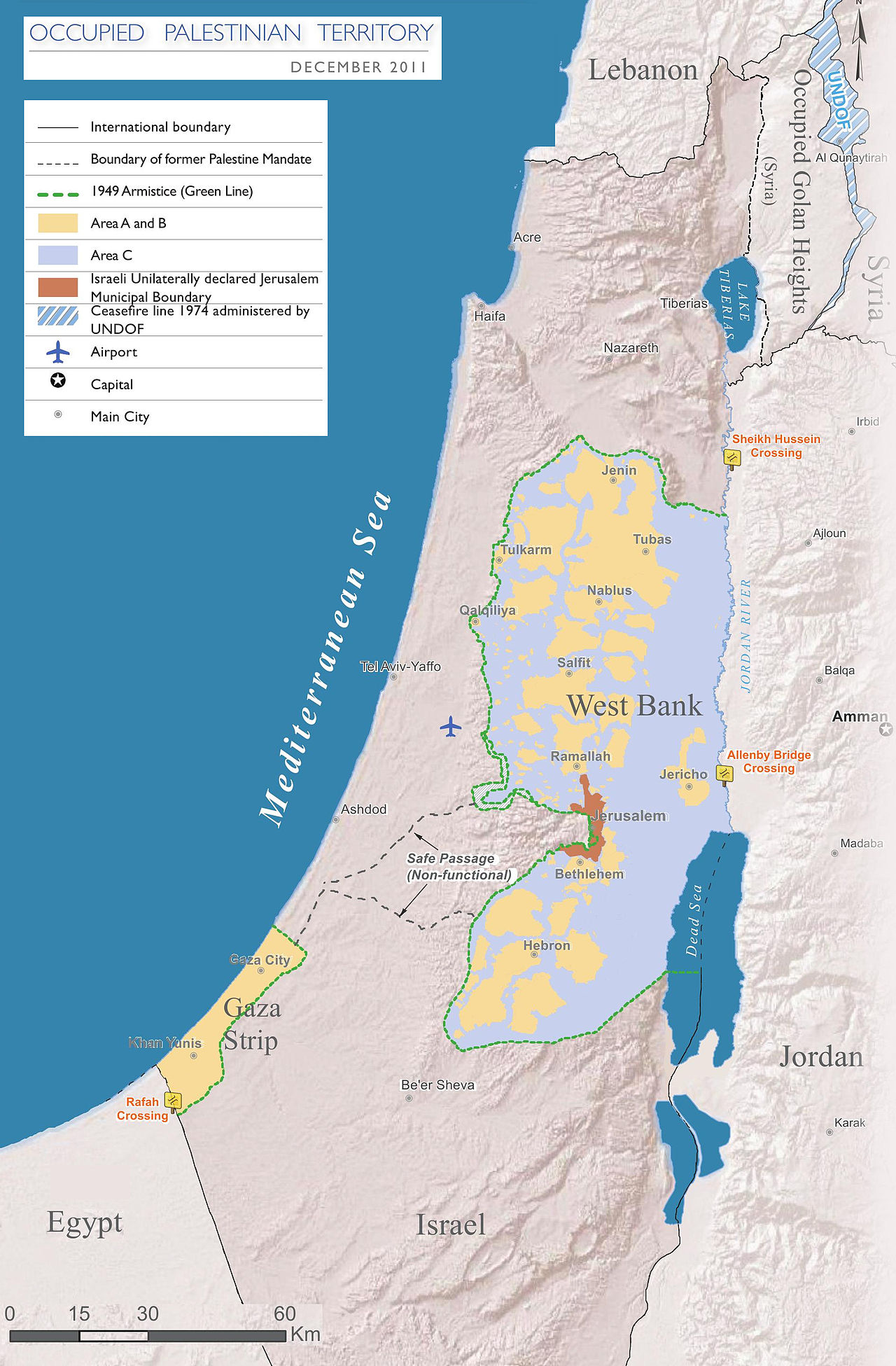
The proposed two-state solution involves the creation of an independent Palestinian state, with its own government, economy, and security forces. The state would be established on the territory of the West Bank and Gaza Strip, with East Jerusalem as its capital. The two-state solution would also involve the establishment of a permanent border between Israel and Palestine, with mutual recognition of each other's sovereignty. The solution would also need to address the issue of Israeli settlements in the West Bank, which are seen as a major obstacle to peace. For more information on the settlements, see Israeli settlement. The two-state solution is supported by many countries, including the United States, the European Union, and the United Nations.
🌈 Contrasting the One-State Solution
The one-state solution, on the other hand, proposes the establishment of a single state in former Mandatory Palestine, with equal rights for all its inhabitants. This solution is often seen as a more radical approach, as it would involve the dissolution of the State of Israel as a Jewish state. The one-state solution is supported by some Palestinians and Israelis, who argue that it is the only way to achieve true equality and justice in the region. However, the solution is also opposed by many, who argue that it would lead to the destruction of the Jewish state and the displacement of Jews from their homeland. For more information on the one-state solution, see One-state solution. The two-state solution is often seen as a more pragmatic approach, as it would allow for the establishment of two separate states, each with its own government and economy.
🤝 International Support for the Two-State Solution
The two-state solution has received widespread international support, with many countries and organizations advocating for its implementation. The Quartet on the Middle East, which includes the United States, the European Union, the United Nations, and Russia, has been a major proponent of the two-state solution. The Quartet has issued several statements and reports in support of the solution, and has provided financial and diplomatic support to the Palestinian Authority. For more information on the Quartet, see Middle East Quartet. The two-state solution is also supported by many Arab countries, including Egypt and Jordan, which have signed peace treaties with Israel. However, the solution is not without its challenges, and many argue that it is no longer a viable option.
🇮🇱 Israel's Stance on the Two-State Solution
Israel's stance on the two-state solution has been inconsistent over the years. In the past, Israel has supported the idea of a two-state solution, but it has also taken steps to undermine it. The construction of Israeli settlements in the West Bank, for example, has been seen as a major obstacle to peace. For more information on the settlements, see Israeli settlement. Israel has also imposed strict security measures in the West Bank, including the construction of the Israeli West Bank barrier, which has been criticized by many as a form of apartheid. However, some Israeli leaders, including former Prime Minister Ehud Olmert, have expressed support for the two-state solution. For more information on Olmert's views, see Ehud Olmert.
🚫 Challenges and Obstacles to the Two-State Solution
The two-state solution faces many challenges and obstacles, including the issue of Israeli settlements, the construction of the Israeli West Bank barrier, and the split between Fatah and Hamas. The solution also requires the establishment of a permanent border between Israel and Palestine, which would need to be negotiated and agreed upon by both sides. For more information on the negotiations, see Israeli-Palestinian peace process. Additionally, the solution would need to address the issue of Jerusalem, which is claimed by both Israel and Palestine as their capital. For more information on the status of Jerusalem, see Status of Jerusalem.
📈 Economic Implications of the Two-State Solution
The two-state solution would also have significant economic implications, including the establishment of a Palestinian economy and the promotion of trade and investment between Israel and Palestine. The solution would also require the establishment of a functioning infrastructure in the West Bank, including roads, bridges, and utilities. For more information on the economic implications, see Economy of the Palestinian territories. The two-state solution would also need to address the issue of Palestinian refugees, who would need to be compensated and resettled. For more information on the refugee issue, see Palestinian refugees.
🕊️ Conclusion and Future Prospects
In conclusion, the two-state solution is a proposed approach to resolving the Israeli-Palestinian conflict, by creating two states on the territory of the former Mandatory Palestine. While the solution has received widespread international support, it faces many challenges and obstacles, including the issue of Israeli settlements, the construction of the Israeli West Bank barrier, and the split between Fatah and Hamas. For more information on the future prospects, see Future of the Israeli-Palestinian conflict. The solution would require the establishment of a permanent border between Israel and Palestine, the establishment of a functioning government and economy in the West Bank, and the promotion of trade and investment between Israel and Palestine. However, the solution is not without its challenges, and many argue that it is no longer a viable option. As the conflict continues to escalate, it remains to be seen whether the two-state solution will be implemented, or if a new approach will be needed to achieve a lasting peace in the region.
Key Facts
- Year
- 1937
- Origin
- British Peel Commission Report
- Category
- Politics
- Type
- Geopolitical Concept
Frequently Asked Questions
What is the two-state solution?
The two-state solution is a proposed approach to resolving the Israeli-Palestinian conflict, by creating two states on the territory of the former Mandatory Palestine. The solution involves the establishment of an independent Palestinian state, with its own government, economy, and security forces, alongside the State of Israel. For more information, see Two-state solution. The two-state solution is supported by many countries and the Palestinian Authority, but it faces many challenges and obstacles, including the issue of Israeli settlements and the split between Fatah and Hamas.
What are the benefits of the two-state solution?
The two-state solution has several benefits, including the establishment of a permanent peace between Israel and Palestine, the promotion of economic development and trade between the two states, and the protection of human rights and dignity for all inhabitants of the region. For more information, see Benefits of the two-state solution. The solution would also allow for the establishment of a functioning government and economy in the West Bank, and the promotion of trade and investment between Israel and Palestine.
What are the challenges facing the two-state solution?
The two-state solution faces many challenges and obstacles, including the issue of Israeli settlements, the construction of the Israeli West Bank barrier, and the split between Fatah and Hamas. For more information, see Challenges facing the two-state solution. The solution also requires the establishment of a permanent border between Israel and Palestine, which would need to be negotiated and agreed upon by both sides. Additionally, the solution would need to address the issue of Jerusalem, which is claimed by both Israel and Palestine as their capital.
Is the two-state solution still a viable option?
The viability of the two-state solution is a matter of debate, with some arguing that it is still a viable option, while others argue that it is no longer possible due to the many challenges and obstacles facing it. For more information, see Viability of the two-state solution. The solution would require the establishment of a functioning government and economy in the West Bank, and the promotion of trade and investment between Israel and Palestine. However, the solution is not without its challenges, and many argue that it is no longer a viable option.
What is the alternative to the two-state solution?
The alternative to the two-state solution is the one-state solution, which proposes the establishment of a single state in former Mandatory Palestine, with equal rights for all its inhabitants. For more information, see One-state solution. The one-state solution is supported by some Palestinians and Israelis, who argue that it is the only way to achieve true equality and justice in the region. However, the solution is also opposed by many, who argue that it would lead to the destruction of the Jewish state and the displacement of Jews from their homeland.
What is the current status of the two-state solution?
The current status of the two-state solution is uncertain, with many challenges and obstacles facing its implementation. For more information, see Current status of the two-state solution. The solution would require the establishment of a permanent border between Israel and Palestine, the establishment of a functioning government and economy in the West Bank, and the promotion of trade and investment between Israel and Palestine. However, the solution is not without its challenges, and many argue that it is no longer a viable option. As the conflict continues to escalate, it remains to be seen whether the two-state solution will be implemented, or if a new approach will be needed to achieve a lasting peace in the region.
What role do international organizations play in promoting the two-state solution?
International organizations, such as the United Nations and the European Union, play a significant role in promoting the two-state solution. For more information, see International organizations and the two-state solution. These organizations provide financial and diplomatic support to the Palestinian Authority, and work to promote a lasting peace in the region. The Quartet on the Middle East is also a major proponent of the two-state solution, and has issued several statements and reports in support of it.