
Contents
- 🌊 Introduction to Turtle Species
- 🦎 Evolutionary History of Turtles
- 🌴 Habitat and Distribution of Turtles
- 🐢 Types of Turtle Species
- 🌟 Conservation Status of Turtles
- 🌿 Diet and Nutrition of Turtles
- 🐊 Reproduction and Lifespan of Turtles
- 🌊 Threats to Turtle Populations
- 👥 Human Impact on Turtle Species
- 🔬 Scientific Research on Turtles
- 📸 Turtle Species in Popular Culture
- Frequently Asked Questions
- Related Topics
Overview
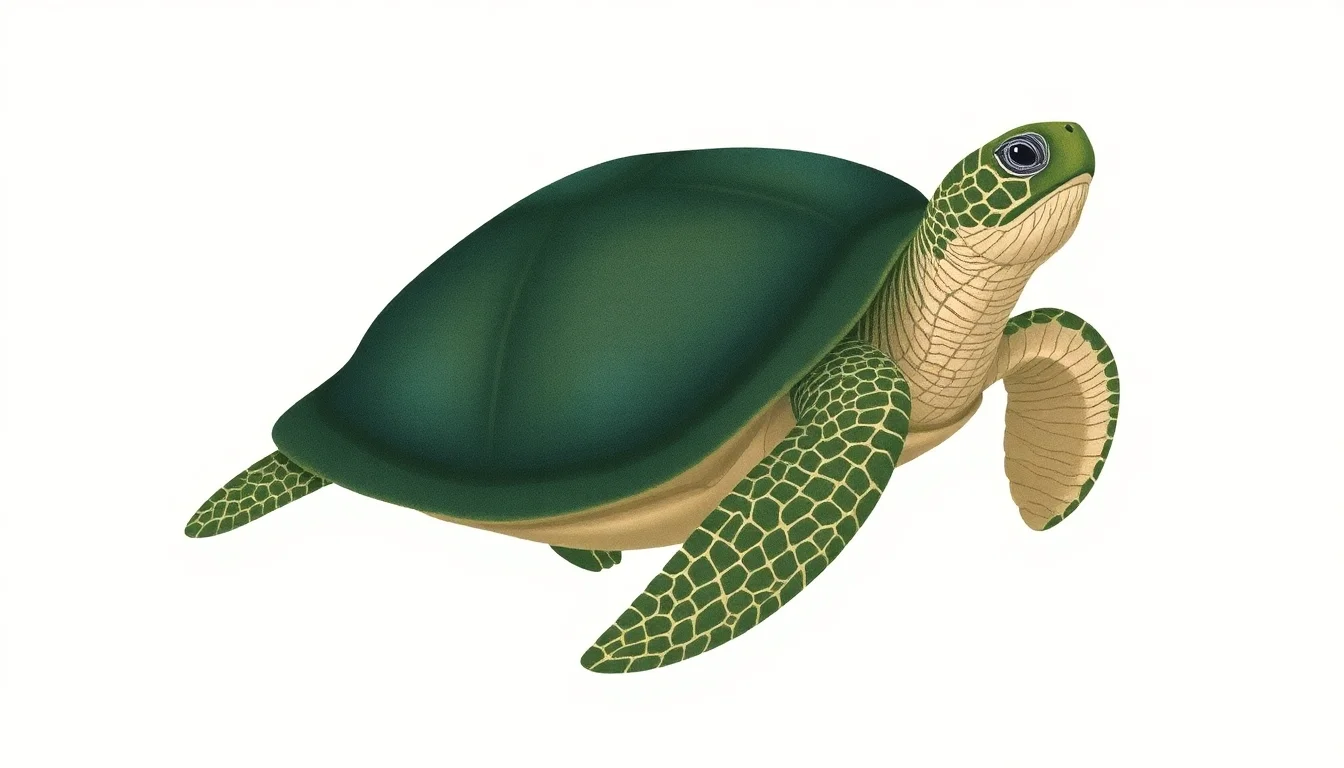
With over 360 species, turtles have been on our planet for over 220 million years, with the oldest known turtle species being the Proganochelys, dating back to the Triassic period. The most iconic species, such as the Leatherback Sea Turtle and the Galapagos Giant Tortoise, have adapted to various environments, from the deepest oceans to the driest deserts. However, many species are facing extinction due to habitat destruction, pollution, and the exotic pet trade, with the Hawksbill Sea Turtle being one of the most critically endangered. According to the IUCN Red List, over 60% of turtle species are threatened or endangered, highlighting the need for conservation efforts. The cultural significance of turtles is also noteworthy, with a vibe score of 80, reflecting their importance in many indigenous cultures and their symbolic representation of longevity and wisdom. As we move forward, it's essential to address the controversy surrounding turtle conservation and the role of human activities in their decline, with some arguing that climate change is the primary driver of extinction, while others point to direct human impact.
🌊 Introduction to Turtle Species
Turtles have been on our planet for over 220 million years, with fossil records dating back to the Triassic period. These ancient creatures have survived through multiple mass extinctions, including the one that wiped out the dinosaurs. Today, there are over 360 species of turtles, ranging from the tiny speckled padloper to the massive leatherback sea turtle. Turtles can be found in almost every corner of the globe, from the frozen tundra to the hottest deserts. They are an integral part of their ecosystems, playing a vital role in maintaining the balance of nature. For more information on turtle species, visit the Turtle Conservation Society website.
🦎 Evolutionary History of Turtles
The evolutionary history of turtles is a long and complex one, with scientists still debating the exact origins of these creatures. One theory is that turtles evolved from a group of reptiles called the anapsids, which lived during the Permian period. Over time, these early turtles developed into different species, each with their unique characteristics and adaptations. The Galapagos giant turtle, for example, has evolved to live on the Galapagos Islands, where it has developed a distinctive shell and diet. To learn more about the evolution of turtles, read about the history of turtle evolution.
🌴 Habitat and Distribution of Turtles
Turtles can be found in a wide range of habitats, from the oceans to the deserts. The box turtle, for example, is a terrestrial species that lives in the forests and grasslands of North America. In contrast, the green sea turtle is a marine species that spends most of its life in the ocean. Turtles have adapted to their environments in incredible ways, from the development of shells to protect themselves from predators to the ability to survive in extreme temperatures. For more information on turtle habitats, visit the National Geographic website. The World Wildlife Fund also provides information on turtle conservation efforts.
🐢 Types of Turtle Species
There are many different types of turtle species, each with its unique characteristics and adaptations. The soft-shelled turtle, for example, has a flexible shell that allows it to move quickly and easily through the water. The snapping turtle, on the other hand, has a powerful beak that it uses to catch its prey. Turtles can be divided into several categories, including sea turtles, freshwater turtles, and terrestrial turtles. To learn more about the different types of turtles, visit the Reptile Database website. The Turtle Forum also provides a platform for turtle enthusiasts to discuss and share information.
🌟 Conservation Status of Turtles
Unfortunately, many turtle species are facing significant threats to their survival. The International Union for Conservation of Nature has listed many turtle species as endangered or vulnerable, including the hawksbill sea turtle and the Asiatic softshell turtle. The main threats to turtle populations include habitat destruction, pollution, and overfishing. To learn more about turtle conservation efforts, visit the Turtle Conservation Coalition website. The Wildlife Conservation Society also provides information on turtle conservation.
🌿 Diet and Nutrition of Turtles
Turtles are omnivores, which means they eat both plants and animals. The red-eared slider, for example, eats a diet of aquatic plants, insects, and small fish. In contrast, the Aldabra tortoise eats a diet of grasses, leaves, and fruits. Turtles have evolved unique adaptations to obtain food, such as the development of powerful jaws and specialized digestive systems. For more information on turtle diets, visit the Turtle Nutrition website. The Reptile Nutrition website also provides information on the nutritional needs of reptiles.
🐊 Reproduction and Lifespan of Turtles
Turtles reproduce by laying eggs, which are incubated outside of their bodies. The sex determination of turtles is often determined by the temperature of the incubating eggs, with warmer temperatures producing females and cooler temperatures producing males. Turtles can live for many years, with some species living up to 80 years or more in the wild. The Aldabra tortoise, for example, is known to live up to 150 years in captivity. To learn more about turtle reproduction, visit the Turtle Breeding website. The Reptile Breeding website also provides information on reptile breeding.
🌊 Threats to Turtle Populations
Turtles are facing many threats to their populations, including habitat destruction, pollution, and overfishing. The plastic pollution of the oceans, for example, is a major threat to sea turtle populations, with many turtles becoming entangled in plastic debris or ingesting plastic particles. To learn more about the threats facing turtle populations, visit the Turtle Threats website. The Ocean Conservation website also provides information on ocean conservation efforts.
👥 Human Impact on Turtle Species
Humans have had a significant impact on turtle populations, from the overfishing of sea turtles to the destruction of terrestrial habitats. The turtle trade, for example, is a major threat to many turtle species, with many turtles being caught and sold as pets or for food. To learn more about the human impact on turtle species, visit the Human Impact on Turtles website. The Conservation Efforts website also provides information on conservation efforts.
🔬 Scientific Research on Turtles
Scientists are working to learn more about turtles and their habitats, from the study of turtle behavior to the development of conservation efforts. The Turtle Research website provides information on turtle research and conservation efforts. The Reptile Research website also provides information on reptile research.
📸 Turtle Species in Popular Culture
Turtles have appeared in popular culture for many years, from the Teenage Mutant Ninja Turtles to the Turtle Power movement. Turtles have also been featured in many films and television shows, including the Turtle Documentary series. To learn more about turtles in popular culture, visit the Turtle Pop Culture website.
Key Facts
- Year
- 2022
- Origin
- Mesozoic Era
- Category
- Wildlife
- Type
- Biological Species
Frequently Asked Questions
What is the largest turtle species?
The largest turtle species is the leatherback sea turtle, which can grow up to 7 feet in length and weigh up to 2,000 pounds. The leatherback sea turtle is found in the oceans of the world and is known for its distinctive leathery shell. To learn more about the leatherback sea turtle, visit the Leatherback Sea Turtle page. The National Geographic website also provides information on the leatherback sea turtle.
What is the smallest turtle species?
The smallest turtle species is the speckled padloper, which is found in the deserts of southern Africa. The speckled padloper is a tiny turtle that grows to a length of only about 1.5 inches. To learn more about the speckled padloper, visit the Speckled Padloper page. The Reptile Database website also provides information on the speckled padloper.
What is the average lifespan of a turtle?
The average lifespan of a turtle varies depending on the species, but many turtles can live for 20-50 years in the wild. Some species, such as the Aldabra tortoise, can live up to 80 years or more in captivity. To learn more about turtle lifespans, visit the Turtle Lifespan page. The Turtle Conservation Society website also provides information on turtle conservation efforts.
What is the most endangered turtle species?
The most endangered turtle species is the hawksbill sea turtle, which is listed as critically endangered on the IUCN Red List. The hawksbill sea turtle is found in the oceans of the world and is threatened by habitat destruction, pollution, and overfishing. To learn more about the hawksbill sea turtle, visit the Hawksbill Sea Turtle page. The Turtle Conservation Coalition website also provides information on turtle conservation efforts.
How can I help protect turtles?
There are many ways to help protect turtles, from reducing plastic use to supporting conservation efforts. You can also learn more about turtles and their habitats, and spread awareness about the importance of turtle conservation. To learn more about how to help protect turtles, visit the Turtle Conservation page. The Wildlife Conservation Society website also provides information on wildlife conservation efforts.