
Contents
- 🌴 Origins & History
- 🍉 How It Works
- 📊 Key Facts & Numbers
- 👥 Key People & Organizations
- 🌍 Cultural Impact & Influence
- ⚡ Current State & Latest Developments
- 🤔 Controversies & Debates
- 🔮 Future Outlook & Predictions
- 💡 Practical Applications
- 📚 Related Topics & Deeper Reading
- Frequently Asked Questions
- References
- Related Topics
Overview
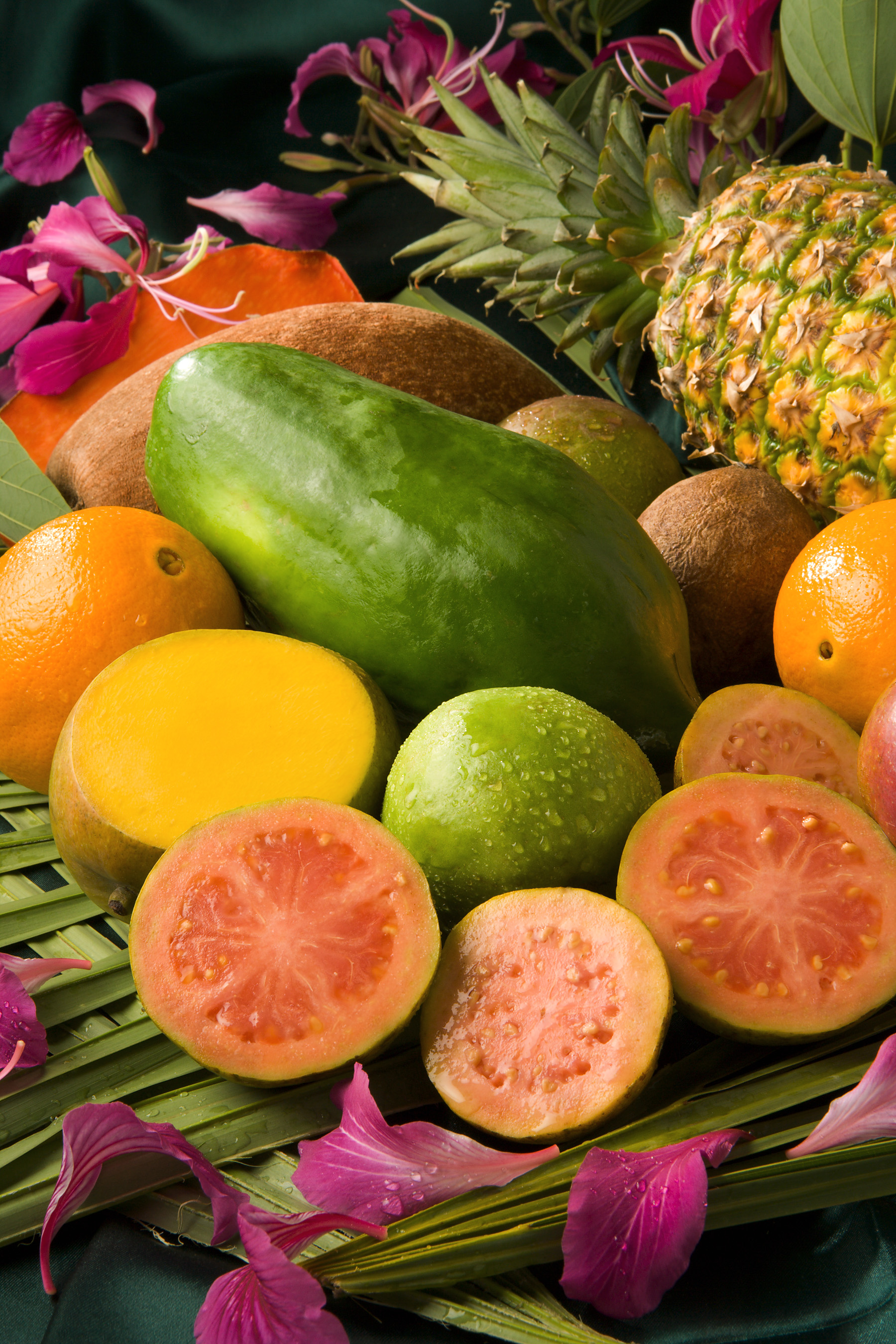
Tropical fruits are a diverse group of fruits that thrive in warm, humid climates near the equator, offering a wide range of flavors, textures, and nutritional benefits. With over 500 species, these fruits are not only a staple in many tropical cultures but also increasingly popular globally for their unique tastes and health benefits. From the antioxidant-rich Mangos to the immune-boosting Pineapples, tropical fruits are a treasure trove of vitamins, minerals, and antioxidants. The global market for tropical fruits is projected to reach $15 billion by 2025, driven by growing demand for Coconuts, Avocados, and Dragon Fruits. As consumers become more aware of the health benefits and environmental impact of their food choices, the popularity of sustainable and locally sourced tropical fruits is on the rise, with companies like Dole Food Company and Chiquita Brands leading the way.
🌴 Origins & History
Tropical fruits have been a cornerstone of human nutrition for thousands of years, with evidence of Bananas and Mangos being cultivated in ancient India and China. The history of tropical fruit cultivation is closely tied to the development of trade routes and colonial empires, with Portugal and Spain playing significant roles in the dissemination of fruits like Oranges and Lemons across the globe. Today, countries like Brazil, Thailand, and Philippines are among the top producers of tropical fruits, with many small-scale farmers relying on these crops for their livelihood.
🍉 How It Works
The cultivation and production of tropical fruits involve a complex interplay of factors, including climate, soil quality, and pest management. Fruits like Papayas and Guavas are highly susceptible to diseases and pests, making sustainable farming practices crucial for their production. Companies like Syngenta and Monsanto are developing innovative solutions to these challenges, while organizations like the Food and Agriculture Organization (FAO) of the United Nations are working to promote sustainable agriculture practices among small-scale farmers.
📊 Key Facts & Numbers
The tropical fruit industry is characterized by a vast array of species, each with its unique characteristics and nutritional profile. For example, Acai Berries are rich in antioxidants and have been shown to have potential health benefits, while Passion Fruits are an excellent source of vitamin C and potassium. The global production of tropical fruits was valued at over $10 billion in 2020, with the market expected to grow at a CAGR of 5% from 2020 to 2025. Key players in the industry include Dole Food Company, Chiquita Brands, and Del Monte Fresh Produce.
👥 Key People & Organizations
Key people and organizations in the tropical fruit industry include farmers, researchers, and companies that specialize in the production and distribution of these fruits. For example, Dr. David Katz, a renowned expert in nutrition, has written extensively on the health benefits of tropical fruits, while companies like Whole Foods Market and Costco Wholesale are leading the way in promoting sustainable and locally sourced tropical fruits. Organizations like the Tropical Fruit Growers Association and the International Tropical Fruit Network provide valuable resources and support for farmers and producers.
🌍 Cultural Impact & Influence
Tropical fruits have had a profound impact on cultures and societies around the world, with many species being deeply ingrained in traditional cuisine and folklore. For example, Mangos are considered a symbol of love and fertility in India, while Pineapples are a symbol of hospitality in Hawaii. The popularity of tropical fruits has also inspired a wide range of products, from Coconut Water to Mango Salsa, with companies like VitaCoco and Frito-Lay capitalizing on the trend.
⚡ Current State & Latest Developments
The current state of the tropical fruit industry is characterized by growing demand, increasing competition, and concerns over sustainability and environmental impact. With the rise of E-commerce and Social Media, consumers are becoming more aware of the origin and production methods of their food, driving demand for sustainable and locally sourced tropical fruits. Companies like Amazon and Instacart are responding to this trend by offering a wide range of tropical fruits and promoting sustainable farming practices.
🤔 Controversies & Debates
Despite the many benefits of tropical fruits, there are also controversies and debates surrounding their production and consumption. For example, the use of Pesticides and Genetic Modification in tropical fruit production has raised concerns among consumers and environmentalists, with organizations like the Environmental Working Group and the Non-GMO Project advocating for more sustainable practices. Additionally, the impact of tropical fruit production on local ecosystems and communities has been a subject of debate, with some arguing that large-scale production can lead to deforestation and displacement of small-scale farmers.
🔮 Future Outlook & Predictions
Looking to the future, the tropical fruit industry is expected to continue growing, driven by increasing demand for sustainable and healthy food options. With the rise of Plant-Based Diets and Wellness Culture, tropical fruits are poised to play an increasingly important role in the global food system. Companies like Beyond Meat and Impossible Foods are already incorporating tropical fruits into their products, while researchers are exploring new uses for these fruits, from Biofuels to Pharmaceuticals.
💡 Practical Applications
Tropical fruits have a wide range of practical applications, from food and beverage production to pharmaceuticals and cosmetics. For example, Coconuts are used in the production of Coconut Oil, while Papayas are used in the production of Papain, an enzyme used in the manufacture of Beauty Products. Companies like L'Oréal and Unilever are already using tropical fruits in their products, while researchers are exploring new uses for these fruits, from Skin Care to Hair Care.
Key Facts
- Year
- 2020
- Origin
- Tropical regions near the equator
- Category
- nutrition
- Type
- concept
Frequently Asked Questions
What are some examples of tropical fruits?
Examples of tropical fruits include Mangos, Pineapples, Coconuts, and Passion Fruits. These fruits are characterized by their vibrant colors, unique flavors, and high nutritional value. According to the Food and Agriculture Organization (FAO) of the United Nations, tropical fruits are a staple in many tropical cultures and are increasingly popular globally for their health benefits and sustainability.
What are the health benefits of tropical fruits?
Tropical fruits are rich in nutrients and have potential health benefits, including reducing inflammation, improving heart health, and supporting immune function. For example, Acai Berries are rich in antioxidants and have been shown to have potential health benefits, while Papayas are an excellent source of vitamin C and potassium. According to a study published in the Journal of Nutrition, consuming tropical fruits regularly can help reduce the risk of chronic diseases like Heart Disease and Diabetes.
How are tropical fruits produced and distributed?
Tropical fruits are produced in tropical regions near the equator and are distributed globally through a complex network of farmers, wholesalers, and retailers. Companies like Dole Food Company and Chiquita Brands play a significant role in the production and distribution of tropical fruits, while organizations like the Tropical Fruit Growers Association provide support and resources for farmers and producers. According to a report by the International Trade Centre, the global market for tropical fruits is expected to grow at a CAGR of 5% from 2020 to 2025.
What are some controversies surrounding tropical fruits?
Some controversies surrounding tropical fruits include the use of pesticides and genetic modification in production, as well as the impact of large-scale production on local ecosystems and communities. For example, the use of Pesticides in tropical fruit production has raised concerns among consumers and environmentalists, with organizations like the Environmental Working Group advocating for more sustainable practices. Additionally, the impact of tropical fruit production on local ecosystems and communities has been a subject of debate, with some arguing that large-scale production can lead to deforestation and displacement of small-scale farmers.
What is the future outlook for tropical fruits?
The future outlook for tropical fruits is positive, with growing demand for sustainable and healthy food options. According to a report by the Market Research Future, the global market for tropical fruits is expected to reach $15 billion by 2025, driven by increasing demand for Coconuts, Avocados, and Dragon Fruits. Companies like Whole Foods Market and Costco Wholesale are already promoting sustainable and locally sourced tropical fruits, while researchers are exploring new uses for these fruits, from Biofuels to Pharmaceuticals.
How can I incorporate tropical fruits into my diet?
You can incorporate tropical fruits into your diet by trying new recipes, visiting local farmers' markets, and supporting sustainable agriculture practices. For example, you can try making a Mango Salsa with Mangos, Red Onions, and Jalapenos, or adding Coconut Water to your smoothies for a refreshing and healthy drink. According to a study published in the Journal of Food Science, consuming tropical fruits regularly can help reduce the risk of chronic diseases like Heart Disease and Diabetes.
What are some related topics to tropical fruits?
Related topics to tropical fruits include Exotic Fruits, Superfoods, and Sustainable Agriculture. For those interested in learning more, recommended reading includes The Fruit Hunter by Adam Leith Gollner and The Oxford Companion to American Food and Drink by Andrew F. Smith.