
Contents
- 📊 Introduction to Trade Balance
- 🌎 Global Trade: Understanding the Basics
- 📈 The Impact of Trade Balance on Economies
- 🚨 Trade Deficits and Surpluses: What Do They Mean?
- 📊 Calculating Trade Balance: A Step-by-Step Guide
- 🤝 The Role of International Trade Agreements
- 🌐 The Digital Age: How E-Commerce Affects Trade Balance
- 📊 Case Studies: Countries with Notable Trade Balances
- 📈 The Future of Trade Balance: Trends and Predictions
- 📊 Trade Balance and Economic Indicators: A Correlation Analysis
- 🌎 The Interconnectedness of Global Trade: A Network Perspective
- Frequently Asked Questions
- Related Topics
Overview
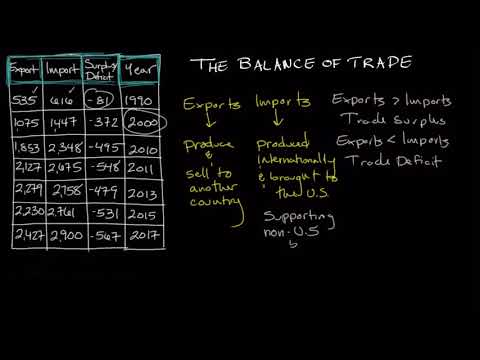
The trade balance, also known as the balance of trade, is the difference between a country's imports and exports. A trade surplus occurs when exports exceed imports, while a trade deficit happens when imports surpass exports. The trade balance is a crucial component of a country's balance of payments, which also includes investment income and transfer payments. According to the World Trade Organization (WTO), the global trade balance has been shifting in recent years, with countries like China and the United States experiencing significant trade deficits. For instance, in 2020, the United States had a trade deficit of over $679 billion, with a significant portion of it attributed to trade with China. The trade balance has significant implications for a country's economy, including its exchange rates, inflation, and employment rates. As noted by economist Paul Krugman, a trade deficit can lead to a decline in domestic employment, particularly in industries that are heavily reliant on exports.
📊 Introduction to Trade Balance
The concept of trade balance is a crucial aspect of international trade, as it reflects the difference between a nation's exports and imports of goods over a specific time period. As defined by the International Monetary Fund, the balance of trade only considers goods, excluding trade in services. This distinction is important, as it highlights the complexity of measuring trade flows. The balance of trade is a flow variable, meaning it measures the value of exports and imports over a given period, providing insights into a country's trade performance. For instance, a country with a trade surplus, like China's Economy, may have a competitive advantage in certain industries, while a country with a trade deficit, like the United States, may need to reassess its trade policies.
🌎 Global Trade: Understanding the Basics
Global trade has become an essential component of the world economy, with countries relying on each other for goods and services. The World Trade Organization plays a vital role in promoting free trade and reducing trade barriers. However, the notion of trade balance is often misunderstood, as it does not imply that exports and imports are equal or 'in balance.' Instead, it measures the net difference between the two, providing a snapshot of a country's trade position. This concept is closely related to the balance of payments, which includes all economic transactions between a country and the rest of the world. Understanding trade balance is essential for policymakers, as it informs decisions on trade agreements, tariffs, and other economic policies.
📈 The Impact of Trade Balance on Economies
The impact of trade balance on economies cannot be overstated. A trade surplus can lead to an increase in foreign exchange reserves, while a trade deficit can lead to a decrease. This, in turn, can affect a country's exchange rate, inflation, and economic growth. For example, a country with a large trade deficit, like the United States, may experience a depreciation of its currency, making its exports more competitive. On the other hand, a country with a large trade surplus, like China, may experience an appreciation of its currency, making its exports less competitive. The eurozone crisis highlights the importance of trade balance in maintaining economic stability. As such, policymakers must carefully manage trade policies to avoid large trade deficits or surpluses, which can have far-reaching consequences.
🚨 Trade Deficits and Surpluses: What Do They Mean?
Trade deficits and surpluses are two sides of the same coin, with each having its own implications for a country's economy. A trade deficit occurs when a country imports more than it exports, resulting in a net outflow of foreign exchange. This can lead to a decrease in foreign exchange reserves and a depreciation of the currency. On the other hand, a trade surplus occurs when a country exports more than it imports, resulting in a net inflow of foreign exchange. This can lead to an increase in foreign exchange reserves and an appreciation of the currency. The trade deficit in the United States has been a topic of debate, with some arguing that it is a sign of a strong economy, while others argue that it is a sign of a lack of competitiveness. In contrast, China's trade surplus has been a major contributor to its economic growth.
📊 Calculating Trade Balance: A Step-by-Step Guide
Calculating trade balance is a straightforward process, involving the subtraction of the value of imports from the value of exports. However, the accuracy of this calculation depends on the quality of the data used. The International Monetary Fund provides guidelines for calculating trade balance, which includes the use of customs data, surveys, and other sources. For instance, the United States uses a combination of customs data and surveys to calculate its trade balance. In contrast, China uses a combination of customs data and administrative records. Understanding the methodology behind trade balance calculations is essential for policymakers and economists, as it informs decisions on trade policies and economic forecasting.
🤝 The Role of International Trade Agreements
International trade agreements play a crucial role in shaping trade balances. The World Trade Organization has been instrumental in promoting free trade and reducing trade barriers. However, the rise of protectionism has led to a decline in trade agreements, with some countries imposing tariffs and other trade restrictions. The Trans-Pacific Partnership and the Transatlantic Trade and Investment Partnership are examples of trade agreements that aim to reduce trade barriers and promote free trade. However, the trade war between the United States and China highlights the challenges of negotiating trade agreements in a rapidly changing global economy.
🌐 The Digital Age: How E-Commerce Affects Trade Balance
The digital age has transformed the way we trade, with e-commerce becoming an increasingly important component of international trade. The rise of online platforms like Amazon and Alibaba has made it easier for businesses to reach global markets. However, the growth of e-commerce has also raised concerns about trade balances, as it can lead to an increase in imports and a decrease in exports. The digital divide between countries with advanced e-commerce infrastructure and those without can exacerbate trade imbalances. As such, policymakers must develop strategies to promote e-commerce while maintaining trade balances.
📊 Case Studies: Countries with Notable Trade Balances
Case studies of countries with notable trade balances provide valuable insights into the complexities of trade. For example, China's trade surplus has been driven by its large manufacturing sector and competitive exchange rate. In contrast, the United States has a large trade deficit, driven by its strong consumer demand and relatively high exchange rate. The eurozone crisis highlights the importance of trade balance in maintaining economic stability. Other countries, like Japan and Germany, have maintained trade surpluses through a combination of competitive industries and strategic trade policies.
📈 The Future of Trade Balance: Trends and Predictions
The future of trade balance is uncertain, with trends and predictions pointing to a shift towards more protectionist trade policies. The rise of nationalism and the decline of globalization have led to a decrease in trade agreements and an increase in trade restrictions. However, the growth of e-commerce and the digital economy is expected to continue, with online platforms becoming increasingly important for international trade. The International Monetary Fund has warned about the risks of trade wars and protectionism, highlighting the need for policymakers to promote free trade and reduce trade barriers. As such, understanding trade balance is essential for navigating the complexities of international trade and promoting economic growth.
📊 Trade Balance and Economic Indicators: A Correlation Analysis
Trade balance is closely correlated with other economic indicators, such as GDP, inflation, and exchange rates. A trade surplus can lead to an increase in GDP, while a trade deficit can lead to a decrease. The balance of payments is also closely related to trade balance, as it includes all economic transactions between a country and the rest of the world. Understanding the correlation between trade balance and other economic indicators is essential for policymakers and economists, as it informs decisions on trade policies and economic forecasting. For instance, a country with a large trade deficit may experience a depreciation of its currency, leading to higher inflation and lower economic growth.
🌎 The Interconnectedness of Global Trade: A Network Perspective
The interconnectedness of global trade is a complex network of relationships between countries, industries, and companies. The global value chain highlights the importance of trade in goods and services, as well as the flow of investment and technology. Understanding the network perspective of global trade is essential for policymakers and economists, as it informs decisions on trade policies and economic forecasting. The World Trade Organization has recognized the importance of global value chains, promoting policies that reduce trade barriers and promote free trade.
Key Facts
- Year
- 2020
- Origin
- Bretton Woods System, 1944
- Category
- Economics
- Type
- Economic Concept
Frequently Asked Questions
What is the difference between trade balance and balance of payments?
The trade balance refers to the difference between a country's exports and imports of goods, while the balance of payments includes all economic transactions between a country and the rest of the world, including trade in goods and services, investment, and other financial flows. The trade balance is a component of the balance of payments, providing insights into a country's trade performance.
How is trade balance calculated?
Trade balance is calculated by subtracting the value of imports from the value of exports. The accuracy of this calculation depends on the quality of the data used, which can include customs data, surveys, and other sources. The International Monetary Fund provides guidelines for calculating trade balance, which is essential for policymakers and economists.
What are the implications of a trade deficit?
A trade deficit can lead to a decrease in foreign exchange reserves, a depreciation of the currency, and higher inflation. It can also lead to a decrease in economic growth, as a country may need to reduce its consumption and investment to finance its trade deficit. However, a trade deficit can also be a sign of a strong economy, as it may indicate that a country is investing in its future growth.
How does e-commerce affect trade balance?
E-commerce can affect trade balance by increasing imports and decreasing exports. The growth of online platforms like Amazon and Alibaba has made it easier for businesses to reach global markets, but it has also raised concerns about trade balances. Policymakers must develop strategies to promote e-commerce while maintaining trade balances.
What is the role of international trade agreements in shaping trade balances?
International trade agreements play a crucial role in shaping trade balances by reducing trade barriers and promoting free trade. The World Trade Organization has been instrumental in promoting free trade and reducing trade barriers. However, the rise of protectionism has led to a decline in trade agreements, with some countries imposing tariffs and other trade restrictions.
How does trade balance affect economic growth?
Trade balance can affect economic growth by influencing the availability of foreign exchange, the exchange rate, and the level of investment. A trade surplus can lead to an increase in GDP, while a trade deficit can lead to a decrease. Understanding the correlation between trade balance and economic growth is essential for policymakers and economists, as it informs decisions on trade policies and economic forecasting.
What is the relationship between trade balance and inflation?
Trade balance can affect inflation by influencing the availability of foreign exchange and the exchange rate. A trade deficit can lead to a depreciation of the currency, which can lead to higher inflation. In contrast, a trade surplus can lead to an appreciation of the currency, which can lead to lower inflation. Understanding the relationship between trade balance and inflation is essential for policymakers and economists, as it informs decisions on monetary policy and economic forecasting.