
Contents
- 🌎 Introduction to The Yes Men
- 📊 The Birth of a Movement: 1999 WTO Conference
- 🤣 Culture-Jamming and Identity Correction
- 🎬 The Yes Men's Filmography
- 🌟 The Impact of The Yes Men's Activism
- 🤝 The Role of Humor in Social Change
- 📚 The Yes Men's Philosophy and Inspirations
- 🌐 The Global Reach of The Yes Men's Message
- 👊 Criticisms and Controversies Surrounding The Yes Men
- 🔜 The Future of The Yes Men's Activism
- 👥 The Yes Men's Influence on Other Activist Groups
- 💡 The Legacy of The Yes Men's Work
- Frequently Asked Questions
- Related Topics
Overview
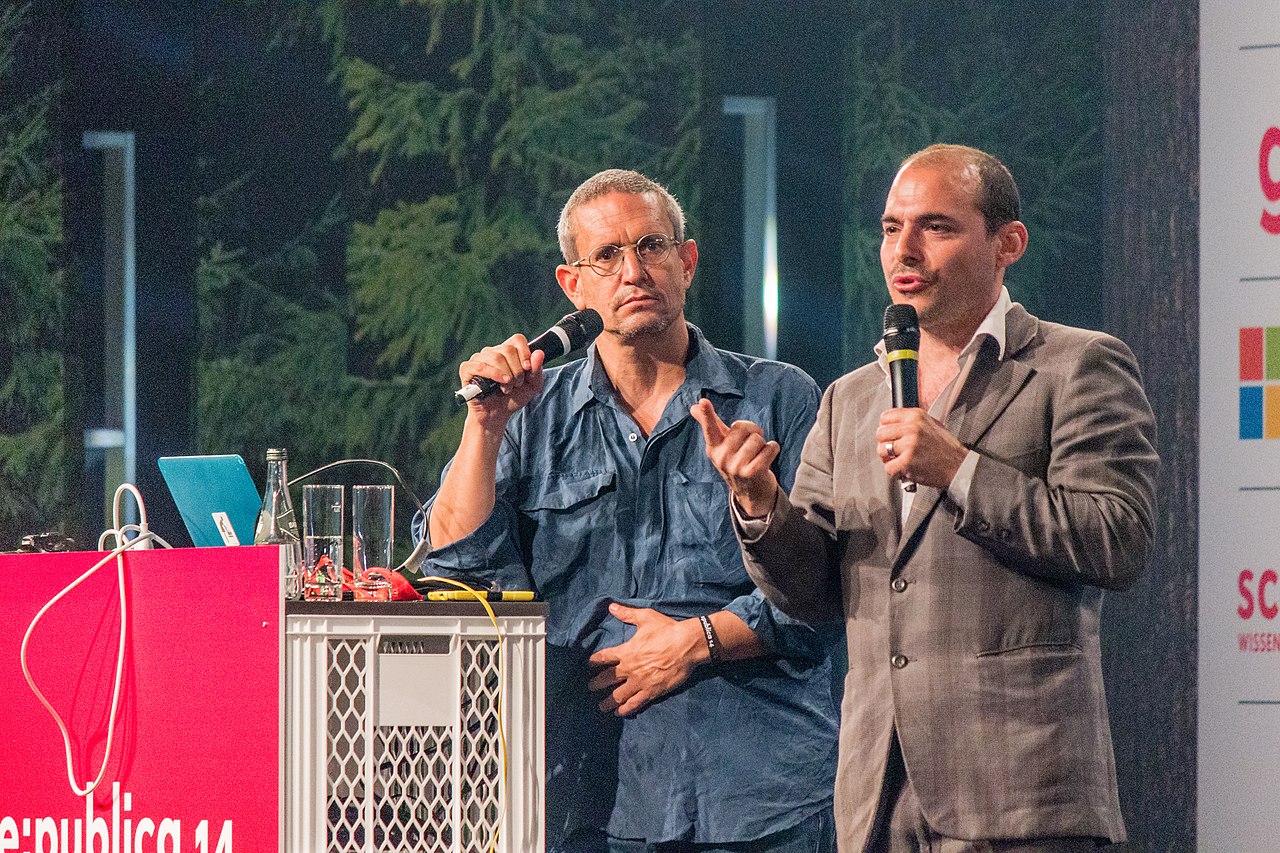
The Yes Men are a duo of activists, Jacques Servin and Igor Vamos, known for their daring and satirical interventions against corporate power and social injustice. With a vibe score of 8, they have been a thorn in the side of major corporations, including Dow Chemical, ExxonMobil, and the US Chamber of Commerce. Their influence flows from the anti-globalization movement of the 1990s, and they have been named as inspirations by groups like Anonymous and the Occupy Wall Street movement. The Yes Men's methods are often controversial, with some praising their creativity and others criticizing their tactics as misleading or harmful. As the debate around corporate accountability and social responsibility continues, The Yes Men remain a key player, using their unique brand of satire and subversion to challenge the status quo. With a controversy spectrum rating of 6, their actions have sparked heated debates and raised important questions about the role of activism in modern society.
🌎 Introduction to The Yes Men
The Yes Men are a group of culture-jamming artist-activists led by Jacques Servin and Igor Vamos. They came to prominence during the 1999 WTO conference in Seattle when they created a fake WTO website, World Trade Organization, which was a parody of the official site. Through this action, the Yes Men aimed to raise awareness about problematic social and political issues, such as globalization and its effects on local communities. The Yes Men's work is closely related to the concept of culture jamming, which involves using humor and irony to critique societal norms. They also draw inspiration from the work of Situationist International, a group of artists and activists who sought to challenge the status quo.
📊 The Birth of a Movement: 1999 WTO Conference
The 1999 WTO conference in Seattle marked a turning point for the Yes Men, as their fake website gained significant attention and sparked a wave of interest in their work. The conference itself was a major event, with thousands of protesters gathering to demonstrate against the WTO's policies, which were seen as neoliberal and detrimental to the environment and workers' rights. The Yes Men's actions during this time were part of a larger movement, which included groups like Anti-Globalization Movement and anarchist organizations. The Yes Men's use of parody and satire was seen as a way to challenge the dominant discourse and create a counter-narrative to the one presented by the WTO and other powerful institutions.
🤣 Culture-Jamming and Identity Correction
The Yes Men's practice of 'identity correction' involves impersonating corporate and government entities that they dislike, in order to expose their wrongdoing and challenge their authority. This tactic has been used to target companies like Dow Chemical and ExxonMobil, as well as government agencies like the Federal Emergency Management Agency (FEMA). The Yes Men's use of humor and irony in their actions is meant to highlight the absurdity and hypocrisy of these institutions, and to create a sense of unease and discomfort among those who are complicit in their wrongdoing. The Yes Men's work is closely related to the concept of guerrilla communication, which involves using unconventional tactics to challenge dominant discourses and create new forms of resistance.
🎬 The Yes Men's Filmography
The Yes Men have produced three films to date: The Yes Men (2003), The Yes Men Fix the World (2009), and The Yes Men Are Revolting (2014). These films document the group's actions and provide a behind-the-scenes look at their creative process. The films also feature interviews with experts and activists, and provide context and analysis of the issues that the Yes Men are addressing. The Yes Men's films have been well-received by critics and audiences alike, and have helped to establish the group as a major force in the world of activist art and culture. The films are closely related to the concept of documentary film, which involves using film to document and analyze real-world events and issues.
🌟 The Impact of The Yes Men's Activism
The Yes Men's activism has had a significant impact on the world, inspiring a new generation of activists and artists to use humor and creativity in their work. The group's actions have also helped to raise awareness about important issues, such as climate change and corporate accountability. The Yes Men's use of parody and satire has been particularly effective in challenging the dominant discourse and creating a counter-narrative to the one presented by powerful institutions. The group's work is closely related to the concept of social movement, which involves using collective action to challenge dominant power structures and create social change.
📚 The Yes Men's Philosophy and Inspirations
The Yes Men's philosophy is rooted in a belief that corporations and governmental organizations often behave in dehumanizing ways toward the public, and that this can be partly combatted with mocking humor. The group's actions are meant to challenge the authority of these institutions and create a sense of unease and discomfort among those who are complicit in their wrongdoing. The Yes Men's work is closely related to the concept of anarchism, which involves challenging dominant power structures and creating new forms of social organization. The group's use of parody and satire is also influenced by the work of Marxist theorists, who have long used humor and irony to critique capitalist systems and challenge dominant ideologies.
🌐 The Global Reach of The Yes Men's Message
The Yes Men's message has resonated with people all over the world, inspiring a new generation of activists and artists to use humor and creativity in their work. The group's actions have been covered in major media outlets, including The New York Times and BBC, and have helped to raise awareness about important issues like climate change and corporate accountability. The Yes Men's use of social media has also been effective in spreading their message and mobilizing support for their actions. The group's work is closely related to the concept of globalization, which involves the increasing interconnectedness of the world's economies and societies.
👊 Criticisms and Controversies Surrounding The Yes Men
The Yes Men's actions have not been without controversy, as some have criticized the group's use of deception and impersonation as a tactic. Others have argued that the group's actions are too focused on spectacle and not enough on substance, and that they do not provide a clear alternative to the systems they are critiquing. The Yes Men have responded to these criticisms by arguing that their actions are necessary to challenge the dominant discourse and create a sense of unease and discomfort among those who are complicit in wrongdoing. The group's work is closely related to the concept of direct action, which involves using unconventional tactics to challenge dominant power structures and create social change.
🔜 The Future of The Yes Men's Activism
The future of the Yes Men's activism is uncertain, but it is clear that the group will continue to use humor and creativity in their work. The Yes Men have announced plans to continue producing films and other forms of media, and to expand their reach and influence through social media and other channels. The group's work is closely related to the concept of social movement, which involves using collective action to challenge dominant power structures and create social change. The Yes Men's use of parody and satire will likely continue to be a key aspect of their approach, as they seek to challenge the authority of powerful institutions and create a sense of unease and discomfort among those who are complicit in wrongdoing.
👥 The Yes Men's Influence on Other Activist Groups
The Yes Men's influence can be seen in the work of other activist groups, such as Anonymous and Occupy Wall Street. These groups have used similar tactics, such as parody and satire, to challenge dominant power structures and create social change. The Yes Men's work is closely related to the concept of hacktivism, which involves using technology to challenge dominant discourses and create new forms of resistance. The group's use of social media has also been effective in spreading their message and mobilizing support for their actions.
💡 The Legacy of The Yes Men's Work
The legacy of the Yes Men's work will likely be felt for years to come, as their use of humor and creativity has inspired a new generation of activists and artists. The group's actions have helped to raise awareness about important issues, such as climate change and corporate accountability, and have challenged the authority of powerful institutions. The Yes Men's work is closely related to the concept of cultural criticism, which involves using humor and irony to critique societal norms and challenge dominant discourses. The group's use of parody and satire will likely continue to be a key aspect of their approach, as they seek to challenge the dominant discourse and create a sense of unease and discomfort among those who are complicit in wrongdoing.
Key Facts
- Year
- 1999
- Origin
- New York City, USA
- Category
- Activism, Politics, Culture
- Type
- Activist Group
Frequently Asked Questions
What is the main goal of the Yes Men's activism?
The main goal of the Yes Men's activism is to challenge the authority of powerful institutions and create a sense of unease and discomfort among those who are complicit in wrongdoing. The group uses humor and creativity in their work, including parody and satire, to raise awareness about important issues and inspire social change. The Yes Men's actions are closely related to the concept of social movement, which involves using collective action to challenge dominant power structures and create social change. The group's use of parody and satire is meant to highlight the absurdity and hypocrisy of powerful institutions, and to create a sense of cognitive dissonance among those who are exposed to their actions.
What is the Yes Men's philosophy?
The Yes Men's philosophy is rooted in a belief that corporations and governmental organizations often behave in dehumanizing ways toward the public, and that this can be partly combatted with mocking humor. The group's actions are meant to challenge the authority of these institutions and create a sense of unease and discomfort among those who are complicit in their wrongdoing. The Yes Men's work is closely related to the concept of anarchism, which involves challenging dominant power structures and creating new forms of social organization. The group's use of parody and satire is also influenced by the work of Marxist theorists, who have long used humor and irony to critique capitalist systems and challenge dominant ideologies.
What are some of the key issues that the Yes Men have addressed in their work?
The Yes Men have addressed a range of issues in their work, including climate change, corporate accountability, and globalization. The group has used parody and satire to challenge the authority of powerful institutions and create a sense of unease and discomfort among those who are complicit in wrongdoing. The Yes Men's actions are closely related to the concept of social movement, which involves using collective action to challenge dominant power structures and create social change. The group's use of humor and creativity has inspired a new generation of activists and artists to use similar tactics in their work.
How have the Yes Men's actions been received by the public and the media?
The Yes Men's actions have been widely covered in the media, and have sparked a range of reactions from the public. Some have praised the group's use of humor and creativity in their work, while others have criticized their tactics as deceptive or attention-seeking. The Yes Men have responded to these criticisms by arguing that their actions are necessary to challenge the dominant discourse and create a sense of unease and discomfort among those who are complicit in wrongdoing. The group's work is closely related to the concept of cultural criticism, which involves using humor and irony to critique societal norms and challenge dominant discourses.
What is the future of the Yes Men's activism?
The future of the Yes Men's activism is uncertain, but it is clear that the group will continue to use humor and creativity in their work. The Yes Men have announced plans to continue producing films and other forms of media, and to expand their reach and influence through social media and other channels. The group's work is closely related to the concept of social movement, which involves using collective action to challenge dominant power structures and create social change. The Yes Men's use of parody and satire will likely continue to be a key aspect of their approach, as they seek to challenge the authority of powerful institutions and create a sense of unease and discomfort among those who are complicit in wrongdoing.
How have the Yes Men influenced other activist groups?
The Yes Men's influence can be seen in the work of other activist groups, such as Anonymous and Occupy Wall Street. These groups have used similar tactics, such as parody and satire, to challenge dominant power structures and create social change. The Yes Men's work is closely related to the concept of hacktivism, which involves using technology to challenge dominant discourses and create new forms of resistance. The group's use of social media has also been effective in spreading their message and mobilizing support for their actions.
What is the legacy of the Yes Men's work?
The legacy of the Yes Men's work will likely be felt for years to come, as their use of humor and creativity has inspired a new generation of activists and artists. The group's actions have helped to raise awareness about important issues, such as climate change and corporate accountability, and have challenged the authority of powerful institutions. The Yes Men's work is closely related to the concept of cultural criticism, which involves using humor and irony to critique societal norms and challenge dominant discourses. The group's use of parody and satire will likely continue to be a key aspect of their approach, as they seek to challenge the dominant discourse and create a sense of unease and discomfort among those who are complicit in wrongdoing.