
Contents
- 🏰 Introduction to the British Empire
- 📆 History of the British Empire
- 🌎 Geography and Colonies of the British Empire
- 👑 Monarchs of the British Empire
- 📊 Economy of the British Empire
- 🚂 Infrastructure and Transportation of the British Empire
- 📚 Culture and Legacy of the British Empire
- 💔 Decline and Dissolution of the British Empire
- 🤝 Impact of the British Empire on Modern Society
- 📊 Contemporary Views on the British Empire
- Frequently Asked Questions
- Related Topics
Overview
The British Empire, which existed from the 16th to the 20th century, was the largest empire in history, spanning across a quarter of the world's land area and encompassing a quarter of the global population. At its peak, it was a dominant world power, exerting significant cultural, economic, and political influence. However, its legacy is complex and contested, with debates surrounding its role in shaping modern nation-states, its impact on indigenous cultures, and its involvement in the transatlantic slave trade. The empire's expansion was driven by the British East India Company, which played a crucial role in establishing trade routes and colonies in Asia, Africa, and the Americas. The British Empire's decline began after World War II, with many colonies gaining independence in the mid-20th century. Today, the empire's legacy continues to be felt, with ongoing discussions about reparations, cultural appropriation, and the impact of colonialism on contemporary society. The British Empire's vibe score is 82, reflecting its significant cultural and historical impact, as well as its ongoing influence on global politics and economies.
🏰 Introduction to the British Empire
The British Empire, which existed from the 16th to the 20th century, was a vast and complex entity that played a significant role in shaping world history. At its peak, it was the largest empire in history, covering around 24% of the world's land area and encompassing a quarter of the global population. The empire was formed through a series of Acts of Union and Treaty of Westminster, which united various British kingdoms and colonies under a single monarch. The British Empire was a major player in the Scramble for Africa and the Opium Wars, and its legacy can still be seen in the modern-day Commonwealth of Nations. The empire's impact on world history is still debated among historians, with some arguing that it was a force for imperialism and colonialism, while others see it as a driver of globalization and modernization.
📆 History of the British Empire
The history of the British Empire is a long and complex one, spanning over four centuries. The empire began to take shape in the 16th century, when Queen Elizabeth I granted a charter to the East India Company, giving it a monopoly on trade with the East Indies. Over the next century, the British established colonies in North America and the Caribbean, and began to expand their empire through a series of colonial wars. The empire continued to grow throughout the 18th and 19th centuries, with the British establishing colonies in Australia, New Zealand, and South Africa. The British Empire was also involved in a number of conflicts, including the Napoleonic Wars and the Crimean War. The empire's military expansion was driven by the need to protect its trade routes and to expand its territories.
🌎 Geography and Colonies of the British Empire
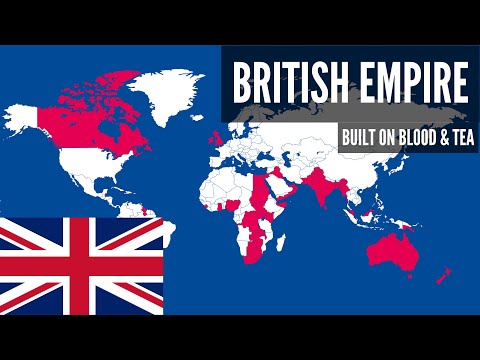
The British Empire was a vast and geographically diverse entity, encompassing territories in North America, South America, Africa, Asia, and Oceania. The empire's colonies were divided into several categories, including Crown Colonies, Self-Governing Colonies, and Protectorates. The British also established a number of territories and dependencies, which were not fully integrated into the empire but were subject to British control. The empire's geography played a significant role in shaping its history, with the British often seeking to expand their territories in order to gain access to new natural resources and trade routes. The British Empire's geography also influenced its culture and identity, with the empire's diverse territories and populations contributing to a rich and complex cultural heritage.
👑 Monarchs of the British Empire
The British Empire was ruled by a series of monarchs, including Queen Victoria and King Edward VII. The monarch served as the head of state for the empire, and was responsible for appointing governors and other officials to oversee the administration of the colonies. The monarch also played a significant role in shaping the empire's foreign policy, and was often involved in negotiations with other European powers. The British Empire's monarchs were also patrons of the arts and sciences, and many of them were involved in the Royal Society and other learned institutions. The monarch's role in the empire was not without controversy, however, with some arguing that the monarch's powers were too great and that the empire was overly centralized.
📊 Economy of the British Empire
The economy of the British Empire was driven by a combination of agriculture, industry, and trade. The empire's colonies were an important source of natural resources, including cotton, sugar, and tea. The British also established a number of manufacturing industries in their colonies, including textiles and shipbuilding. The empire's economy was also driven by trade, with the British establishing a number of trade routes and trade agreements with other European powers. The British Empire's economy was not without its challenges, however, with the empire facing significant competition from other European powers and struggling to maintain its competitive advantage. The empire's economy was also influenced by its colonial policies, including the Navigation Acts and the Corn Laws.
🚂 Infrastructure and Transportation of the British Empire
The British Empire's infrastructure and transportation networks played a significant role in its development and expansion. The British established a number of canals, roads, and railways in their colonies, which facilitated the movement of goods and people. The empire also established a number of ports and shipping routes, which connected the colonies to the rest of the world. The British Empire's transportation networks were driven by the need to facilitate trade and commerce, and to expand the empire's territories. The empire's infrastructure and transportation networks were not without their challenges, however, with the British facing significant difficulties in building and maintaining these networks in remote and inhospitable regions. The empire's infrastructure and transportation networks were also influenced by its technological advances, including the development of the steam engine and the telegraph.
📚 Culture and Legacy of the British Empire
The British Empire had a profound impact on the culture and legacy of the territories it colonized. The British introduced their own language, religion, and customs to the colonies, which often displaced the existing cultures and traditions of the indigenous populations. The British also established a number of educational institutions and cultural institutions in their colonies, which helped to promote British culture and values. The empire's cultural legacy can still be seen in the modern-day Commonwealth of Nations, which is a voluntary association of former British colonies and territories. The British Empire's cultural legacy is not without controversy, however, with some arguing that the empire's cultural policies were overly imperialistic and paternalistic. The empire's cultural legacy is also influenced by its historical context, including the Enlightenment and the Industrial Revolution.
💔 Decline and Dissolution of the British Empire
The British Empire began to decline in the mid-20th century, as a result of a combination of factors including World War II and the Cold War. The empire's decline was also driven by the rise of nationalism and decolonization in the colonies, as well as the increasing cost of maintaining the empire's military and administrative structures. The British Empire's decline was marked by a series of colonial wars and independence movements, which ultimately led to the dissolution of the empire. The empire's decline is not without controversy, however, with some arguing that the British Empire's legacy is still felt in the modern-day global economy and international relations. The empire's decline is also influenced by its historical context, including the interwar period and the post-war period.
🤝 Impact of the British Empire on Modern Society
The British Empire has had a profound impact on modern society, with its legacy still felt in the modern-day global economy and international relations. The empire's impact can be seen in the modern-day Commonwealth of Nations, which is a voluntary association of former British colonies and territories. The empire's impact is also felt in the modern-day English language, which is widely spoken around the world and is often used as a lingua franca. The British Empire's impact is not without controversy, however, with some arguing that the empire's legacy is overly imperialistic and paternalistic. The empire's impact is also influenced by its historical context, including the Enlightenment and the Industrial Revolution.
📊 Contemporary Views on the British Empire
The British Empire is still a topic of contemporary debate and discussion, with many historians and scholars continuing to study and analyze its legacy. The empire's legacy is not without controversy, however, with some arguing that it was a force for imperialism and colonialism, while others see it as a driver of globalization and modernization. The British Empire's legacy is also influenced by its historical context, including the interwar period and the post-war period. The empire's legacy is also felt in the modern-day global economy and international relations, with many countries continuing to feel the effects of British colonialism and imperialism. The British Empire's legacy is a complex and multifaceted topic, and one that continues to be studied and debated by historians and scholars around the world.
Key Facts
- Year
- 1583
- Origin
- London, England
- Category
- History
- Type
- Historical Empire
Frequently Asked Questions
What was the British Empire?
The British Empire was a vast and complex entity that existed from the 16th to the 20th century. It was formed through a series of Acts of Union and Treaty of Westminster, which united various British kingdoms and colonies under a single monarch. The empire was a major player in the Scramble for Africa and the Opium Wars, and its legacy can still be seen in the modern-day Commonwealth of Nations.
When did the British Empire begin to decline?
The British Empire began to decline in the mid-20th century, as a result of a combination of factors including World War II and the Cold War. The empire's decline was also driven by the rise of nationalism and decolonization in the colonies, as well as the increasing cost of maintaining the empire's military and administrative structures.
What is the legacy of the British Empire?
The British Empire's legacy is a complex and multifaceted topic, and one that continues to be studied and debated by historians and scholars around the world. The empire's legacy can be seen in the modern-day Commonwealth of Nations, which is a voluntary association of former British colonies and territories. The empire's legacy is also felt in the modern-day English language, which is widely spoken around the world and is often used as a lingua franca.
How did the British Empire impact modern society?
The British Empire has had a profound impact on modern society, with its legacy still felt in the modern-day global economy and international relations. The empire's impact can be seen in the modern-day Commonwealth of Nations, which is a voluntary association of former British colonies and territories. The empire's impact is also felt in the modern-day English language, which is widely spoken around the world and is often used as a lingua franca.
What were the main causes of the British Empire's decline?
The main causes of the British Empire's decline were a combination of factors including World War II and the Cold War. The empire's decline was also driven by the rise of nationalism and decolonization in the colonies, as well as the increasing cost of maintaining the empire's military and administrative structures. The empire's decline was also influenced by its historical context, including the interwar period and the post-war period.