
Contents
- 🏊♀️ Introduction to Open Water Swimming
- 🌊 History of Open Water Swimming
- 🏆 Competitive Open Water Swimming
- 🌴 Open Water Swimming Techniques
- 🚨 Safety Considerations for Open Water Swimming
- 🌈 Benefits of Open Water Swimming
- 🏞️ Popular Open Water Swimming Locations
- 📊 Training for Open Water Swimming
- 👥 Open Water Swimming Communities
- 📚 Resources for Open Water Swimmers
- 🏊♂️ Open Water Swimming for Beginners
- 🎯 Advanced Open Water Swimming Techniques
- Frequently Asked Questions
- Related Topics
Overview
Swimming in open water is a rapidly growing sport that presents unique challenges and rewards. Unlike traditional pool swimming, open water swimming requires athletes to navigate unpredictable conditions such as currents, waves, and water temperature. According to the World Open Water Swimming Association, the number of open water swimming events has increased by 25% annually since 2010, with over 1,000 events held worldwide in 2022. The sport has been influenced by pioneers like Ben Lecomte, who swam across the Atlantic Ocean in 1998, and Diana Nyad, who completed a record-breaking swim from Cuba to Florida in 2013. As the sport continues to evolve, concerns about safety, environmental impact, and accessibility are being addressed through advancements in technology and event organization. With a vibe score of 8, open water swimming has become a cultural phenomenon, attracting a diverse range of athletes and enthusiasts who are drawn to its sense of adventure and connection with nature. The controversy surrounding the sport's environmental impact and the need for sustainable practices will likely continue to shape its future, with key events like the annual Open Water Swimming World Championships driving innovation and growth.
🏊♀️ Introduction to Open Water Swimming
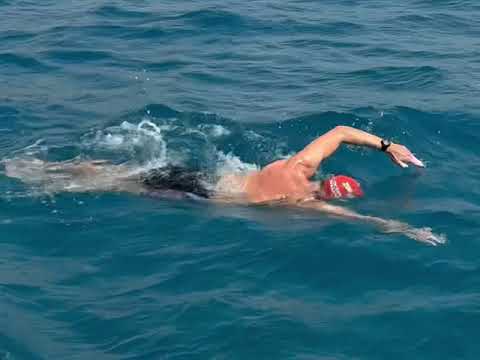
Open water swimming is a thrilling and challenging sport that involves swimming in natural bodies of water, such as oceans, lakes, and rivers. Unlike pool swimming, open water swimming requires a unique set of skills and strategies to navigate through unpredictable water conditions. For example, swimmers need to be aware of Tides and Currents to avoid getting swept away. Additionally, open water swimmers need to be prepared for Hypothermia and Dehydration. As noted by Ben Lecomte, a renowned open water swimmer, 'open water swimming is not just about swimming, it's about understanding the environment and being prepared for anything.'
🌊 History of Open Water Swimming
The history of open water swimming dates back to ancient civilizations, where people would swim in rivers and lakes for transportation, recreation, and spiritual purposes. The modern concept of open water swimming, however, began to take shape in the late 19th century, with the establishment of the Channel Swimming association. Since then, open water swimming has evolved into a global sport, with events like the Ironman Triathlon and the Open Water Swimming World Championships. As Marathon Swimming expert, Steven Munatones, notes, 'open water swimming has come a long way since its humble beginnings, and it continues to grow in popularity.'
🏆 Competitive Open Water Swimming
Competitive open water swimming involves racing in natural bodies of water, often over long distances. The most prestigious event in competitive open water swimming is the Open Water Swimming World Championships, which features events such as the 5km, 10km, and 25km swims. Other notable events include the Marathon Swimming series and the Ultra Marathon Swimming events. As Katie Ledecky, a world-class swimmer, notes, 'competitive open water swimming requires a unique combination of endurance, strategy, and mental toughness.' Swimmers also need to be aware of Water Quality and Weather Conditions to ensure a safe and successful competition.
🌴 Open Water Swimming Techniques
Open water swimming techniques involve a range of skills and strategies to navigate through unpredictable water conditions. One of the most important techniques is Sighting, which involves looking up to spot landmarks and navigate through the water. Other essential techniques include Drafting, Kicking, and Stroke Efficiency. As Triple Crown of Open Water Swimming winner, Sarah Thomas, notes, 'mastering these techniques takes time and practice, but it's essential for success in open water swimming.' Swimmers also need to be aware of Marine Life and Water Temperature to avoid any potential hazards.
🚨 Safety Considerations for Open Water Swimming
Safety considerations are crucial when it comes to open water swimming. Swimmers need to be aware of potential hazards such as Riptides, Strong Currents, and Marine Life. Additionally, swimmers should always swim with a Buddy System and carry a Safety Device such as a whistle or a flotation device. As Lifesaving Society expert, John Smith, notes, 'safety should always be the top priority when it comes to open water swimming.' Swimmers should also be aware of Weather Forecasts and Water Conditions to avoid any potential risks.
🌈 Benefits of Open Water Swimming
Open water swimming offers a range of benefits, including improved Cardiovascular Health, increased Muscle Strength, and enhanced Mental Toughness. Additionally, open water swimming can be a great way to connect with nature and experience the thrill of swimming in the great outdoors. As World Health Organization notes, 'open water swimming can be a great way to improve overall health and wellbeing.' Swimmers can also benefit from Cold Water Therapy and Swimming in Nature.
🏞️ Popular Open Water Swimming Locations
There are many popular open water swimming locations around the world, each with its unique characteristics and challenges. Some of the most popular locations include the English Channel, the Hawaiian Islands, and the Great Lakes. As Open Water Swimming Adventures expert, Jane Doe, notes, 'each location offers a unique experience, and swimmers should always research and prepare before swimming in a new location.' Swimmers should also be aware of Local Regulations and Environmental Factors to ensure a safe and successful swim.
📊 Training for Open Water Swimming
Training for open water swimming involves a combination of pool swimming, strength training, and open water practice. Swimmers should focus on building Endurance, Strength, and Flexibility to prepare for the demands of open water swimming. Additionally, swimmers should practice Sighting, Drafting, and other essential techniques in the pool before taking them to the open water. As USA Swimming coach, Bob Bowman, notes, 'a well-structured training program is essential for success in open water swimming.' Swimmers should also incorporate Nutrition and Hydration and Recovery Techniques into their training program.
👥 Open Water Swimming Communities
Open water swimming communities are a great way to connect with other swimmers, share knowledge and experience, and stay motivated. Many communities offer Group Swims, Clinics, and Workshops to help swimmers improve their skills and stay safe. As Open Water Swimming Forum moderator, John Doe, notes, 'the open water swimming community is a supportive and inclusive group, and there's always something to learn from others.' Swimmers can also join Online Communities and Social Media Groups to connect with other swimmers and stay up-to-date with the latest news and trends.
📚 Resources for Open Water Swimmers
There are many resources available for open water swimmers, including books, websites, and online courses. Some popular resources include the Open Water Swimming Handbook and the Open Water Swimming Course. As Open Water Swimming Coach, Sarah Thomas, notes, 'having access to the right resources can make a big difference in a swimmer's success and safety.' Swimmers can also benefit from One-on-One Coaching and Video Analysis to improve their technique and performance.
🏊♂️ Open Water Swimming for Beginners
For beginners, open water swimming can seem intimidating, but with the right guidance and preparation, it can be a rewarding and enjoyable experience. Beginners should start by practicing in a pool and gradually transitioning to open water. As Beginner Open Water Swimming expert, Jane Doe, notes, 'it's essential to start slow and build up gradually, and to always swim with a buddy and follow safety guidelines.' Swimmers should also be aware of Common Mistakes and Safety Tips to avoid any potential hazards.
🎯 Advanced Open Water Swimming Techniques
Advanced open water swimming techniques involve a range of specialized skills and strategies, including Navigation, Tactical Swimming, and Mental Preparation. As Advanced Open Water Swimming expert, Steven Munatones, notes, 'mastering these techniques takes time and practice, but it can make a big difference in a swimmer's performance and safety.' Swimmers should also be aware of Cutting-Edge Technology and Innovative Training Methods to stay ahead of the competition.
Key Facts
- Year
- 2022
- Origin
- Ancient civilizations, with modern competitive events emerging in the late 20th century
- Category
- Sports and Fitness
- Type
- Sport
Frequently Asked Questions
What is open water swimming?
Open water swimming is a type of swimming that takes place in natural bodies of water, such as oceans, lakes, and rivers. It involves swimming in unpredictable water conditions, and requires a unique set of skills and strategies to navigate through the water. Open water swimming can be done for recreation, competition, or adventure. As noted by Ben Lecomte, 'open water swimming is not just about swimming, it's about understanding the environment and being prepared for anything.'
What are the benefits of open water swimming?
Open water swimming offers a range of benefits, including improved Cardiovascular Health, increased Muscle Strength, and enhanced Mental Toughness. Additionally, open water swimming can be a great way to connect with nature and experience the thrill of swimming in the great outdoors. As World Health Organization notes, 'open water swimming can be a great way to improve overall health and wellbeing.'
What are the safety considerations for open water swimming?
Safety considerations are crucial when it comes to open water swimming. Swimmers need to be aware of potential hazards such as Riptides, Strong Currents, and Marine Life. Additionally, swimmers should always swim with a Buddy System and carry a Safety Device such as a whistle or a flotation device. As Lifesaving Society expert, John Smith, notes, 'safety should always be the top priority when it comes to open water swimming.'
How do I get started with open water swimming?
To get started with open water swimming, beginners should start by practicing in a pool and gradually transitioning to open water. It's essential to start slow and build up gradually, and to always swim with a buddy and follow safety guidelines. As Beginner Open Water Swimming expert, Jane Doe, notes, 'it's essential to start slow and build up gradually, and to always swim with a buddy and follow safety guidelines.'
What are the most popular open water swimming locations?
There are many popular open water swimming locations around the world, each with its unique characteristics and challenges. Some of the most popular locations include the English Channel, the Hawaiian Islands, and the Great Lakes. As Open Water Swimming Adventures expert, Jane Doe, notes, 'each location offers a unique experience, and swimmers should always research and prepare before swimming in a new location.'
How do I train for open water swimming?
Training for open water swimming involves a combination of pool swimming, strength training, and open water practice. Swimmers should focus on building Endurance, Strength, and Flexibility to prepare for the demands of open water swimming. Additionally, swimmers should practice Sighting, Drafting, and other essential techniques in the pool before taking them to the open water. As USA Swimming coach, Bob Bowman, notes, 'a well-structured training program is essential for success in open water swimming.'
What are the most common mistakes made by open water swimmers?
Some of the most common mistakes made by open water swimmers include not swimming with a buddy, not carrying a safety device, and not being aware of potential hazards such as Riptides and Strong Currents. As Lifesaving Society expert, John Smith, notes, 'safety should always be the top priority when it comes to open water swimming.'