
Contents
- 🌎 Introduction to Sustainable Construction
- 📈 The Three Dimensions of Sustainability
- 🌈 Emerging Sustainable Construction Materials
- 🔨 Reducing Embodied Carbon in Construction
- 🏗️ The Role of Cement in Sustainable Construction
- 📊 Life Cycle Assessment of Buildings
- 👥 Stakeholder Engagement in Sustainable Construction
- 🔜 Future Directions for Sustainable Construction
- 📚 Case Studies in Sustainable Construction
- 👍 Benefits of Sustainable Construction
- 🌟 Challenges and Opportunities in Sustainable Construction
- 🌐 Global Perspectives on Sustainable Construction
- Frequently Asked Questions
- Related Topics
Overview
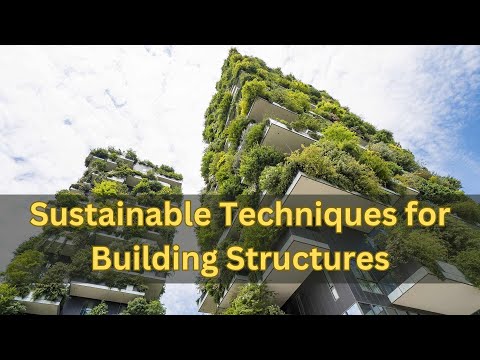
Sustainable construction refers to the practice of building structures that minimize environmental impact, from design to demolition. This approach considers factors such as energy efficiency, water conservation, and waste reduction. According to the United Nations, the built environment is responsible for nearly 40% of global greenhouse gas emissions, making sustainable construction a critical component of climate change mitigation. The use of sustainable materials, such as reclaimed wood and low-carbon concrete, is on the rise, with companies like Cross-Laminated Timber (CLT) manufacturer, Katerra, leading the charge. However, the high upfront costs of sustainable materials and the lack of standardization in the industry pose significant challenges. As the world's population is projected to reach 9.7 billion by 2050, the need for sustainable construction practices will only continue to grow, with the global market expected to reach $10.3 trillion by 2025, according to a report by MarketsandMarkets.
🌎 Introduction to Sustainable Construction
Sustainable construction is an essential aspect of reducing the negative health and environmental impacts caused by the construction process and by the operation and use of buildings and the built environment. As the construction industry's contribution to more sustainable development, it aims to minimize the adverse effects on the environment while promoting economic growth and social responsibility. For more information on sustainable development, visit the Sustainable Development page. The concept of sustainable construction is constantly evolving to encompass varying approaches and priorities, and it can be seen as a crucial step towards achieving a more sustainable future. To learn more about the importance of sustainability, check out the Importance of Sustainability article.
📈 The Three Dimensions of Sustainability
The three dimensions of sustainability - planet, people, and profit - are crucial in the construction industry. The planet dimension focuses on reducing the environmental impact of construction, while the people dimension prioritizes the health and well-being of occupants and users. The profit dimension, on the other hand, aims to ensure the economic viability of sustainable construction practices. For a deeper understanding of these dimensions, visit the Three Dimensions of Sustainability page. Recent research highlights the importance of considering these dimensions across the entire construction supply chain. To explore the concept of supply chain management, see the Supply Chain Management article.
🌈 Emerging Sustainable Construction Materials
Emerging sustainable construction materials, such as recycled concrete, bio-based composites, and low-carbon cements, are gaining attention for their potential to reduce greenhouse gas emissions while maintaining structural performance. These innovative materials can significantly contribute to reducing the environmental impact of construction. For more information on sustainable materials, visit the Sustainable Materials page. The use of these materials can also help reduce waste and promote a more circular economy. To learn more about circular economy principles, check out the Circular Economy article. Additionally, the development of new sustainable materials is an active area of research, with many companies and organizations working to create more sustainable products. For example, the Green Building Initiative is a non-profit organization that promotes sustainable building practices.
🔨 Reducing Embodied Carbon in Construction
Reducing embodied carbon in construction is a critical step towards achieving sustainable development. Embodied carbon refers to the greenhouse gas emissions associated with the production and transportation of building materials. Cement production is a major contributor to embodied carbon, with about two-thirds of CO₂ emissions from cement manufacturing coming from the chemical process of clinker calcination and one-third from energy use. For more information on embodied carbon, visit the Embodied Carbon page. To reduce embodied carbon, the construction industry can adopt sustainable practices such as using alternative cement materials, optimizing building design, and implementing energy-efficient systems. To learn more about sustainable building design, see the Sustainable Building Design article.
🏗️ The Role of Cement in Sustainable Construction
Cement production plays a significant role in sustainable construction, as it is a major contributor to greenhouse gas emissions. The chemical process of clinker calcination is responsible for the majority of CO₂ emissions from cement manufacturing. To reduce these emissions, the construction industry can explore alternative cement materials and production methods. For example, the use of supplementary cementitious materials (SCMs) can reduce the amount of clinker required in cement production. To learn more about SCMs, visit the Supplementary Cementitious Materials page. Additionally, the development of low-carbon cements is an active area of research, with many companies working to create more sustainable products. For instance, the Low Carbon Cement Initiative is a industry-led initiative that aims to reduce the carbon footprint of cement production.
📊 Life Cycle Assessment of Buildings
Life cycle assessment (LCA) is a crucial tool in evaluating the environmental impact of buildings and construction materials. LCA considers the entire life cycle of a product, from raw material extraction to end-of-life disposal or recycling. By using LCA, the construction industry can identify areas for improvement and develop more sustainable products and practices. For more information on LCA, visit the Life Cycle Assessment page. To learn more about the application of LCA in construction, see the LCA in Construction article. Additionally, many companies and organizations are working to develop more sustainable products and practices, such as the Sustainable Construction Initiative.
👥 Stakeholder Engagement in Sustainable Construction
Stakeholder engagement is essential in sustainable construction, as it involves collaboration among various stakeholders, including architects, engineers, contractors, and building owners. Effective communication and cooperation among stakeholders can help identify and address sustainability challenges and opportunities. For more information on stakeholder engagement, visit the Stakeholder Engagement page. To learn more about the importance of collaboration in sustainable construction, check out the Collaboration in Sustainable Construction article. Additionally, many organizations are working to promote stakeholder engagement and collaboration, such as the US Green Building Council.
🔜 Future Directions for Sustainable Construction
The future of sustainable construction is promising, with many emerging trends and technologies that can help reduce the environmental impact of buildings and construction materials. For example, the use of building information modeling (BIM) and other digital tools can help optimize building design and construction processes. To learn more about BIM, visit the Building Information Modeling page. Additionally, the development of new sustainable materials and products is an active area of research, with many companies and organizations working to create more sustainable products. For instance, the National Institute of Building Sciences is a non-profit organization that promotes sustainable building practices and provides resources for the construction industry.
📚 Case Studies in Sustainable Construction
Case studies in sustainable construction can provide valuable insights and lessons learned for the industry. For example, the Bullitt Center in Seattle, Washington, is a net-positive energy building that showcases sustainable design and construction practices. To learn more about the Bullitt Center, visit the Bullitt Center Case Study page. Additionally, many organizations are working to promote sustainable construction practices and provide resources for the industry, such as the Sustainable Construction Case Studies database.
👍 Benefits of Sustainable Construction
The benefits of sustainable construction are numerous, including reduced environmental impact, improved occupant health and well-being, and increased economic viability. Sustainable construction practices can also help reduce energy consumption and greenhouse gas emissions, which can contribute to climate change mitigation. For more information on the benefits of sustainable construction, visit the Benefits of Sustainable Construction page. To learn more about the importance of sustainable construction, check out the Importance of Sustainable Construction article. Additionally, many companies and organizations are working to promote sustainable construction practices, such as the World Green Building Council.
🌟 Challenges and Opportunities in Sustainable Construction
Despite the many benefits of sustainable construction, there are also challenges and opportunities that need to be addressed. For example, the higher upfront costs of sustainable materials and practices can be a barrier to adoption. However, the long-term benefits of sustainable construction, including reduced energy consumption and increased property value, can outweigh the initial costs. To learn more about the challenges and opportunities in sustainable construction, visit the Challenges and Opportunities in Sustainable Construction page. Additionally, many organizations are working to promote sustainable construction practices and provide resources for the industry, such as the Sustainable Construction Resources database.
🌐 Global Perspectives on Sustainable Construction
Global perspectives on sustainable construction can provide valuable insights and lessons learned for the industry. For example, the EU Green Deal is a comprehensive strategy that aims to make Europe the first climate-neutral continent. To learn more about the EU Green Deal, visit the EU Green Deal Overview page. Additionally, many countries and organizations are working to promote sustainable construction practices and provide resources for the industry, such as the UN Environment Programme.
Key Facts
- Year
- 2022
- Origin
- The concept of sustainable construction has its roots in the 1970s, when architects and engineers began exploring ways to reduce the environmental impact of building design and construction.
- Category
- Environmental Science
- Type
- Concept
Frequently Asked Questions
What is sustainable construction?
Sustainable construction refers to the practice of reducing the negative health and environmental impacts caused by the construction process and by the operation and use of buildings and the built environment. It aims to minimize the adverse effects on the environment while promoting economic growth and social responsibility. For more information, visit the Sustainable Construction page. To learn more about the importance of sustainability, check out the Importance of Sustainability article.
What are the three dimensions of sustainability?
The three dimensions of sustainability are planet, people, and profit. The planet dimension focuses on reducing the environmental impact of construction, while the people dimension prioritizes the health and well-being of occupants and users. The profit dimension aims to ensure the economic viability of sustainable construction practices. For a deeper understanding of these dimensions, visit the Three Dimensions of Sustainability page.
What is embodied carbon?
Embodied carbon refers to the greenhouse gas emissions associated with the production and transportation of building materials. Cement production is a major contributor to embodied carbon, with about two-thirds of CO₂ emissions from cement manufacturing coming from the chemical process of clinker calcination and one-third from energy use. For more information on embodied carbon, visit the Embodied Carbon page.
What is life cycle assessment?
Life cycle assessment (LCA) is a tool used to evaluate the environmental impact of buildings and construction materials. LCA considers the entire life cycle of a product, from raw material extraction to end-of-life disposal or recycling. By using LCA, the construction industry can identify areas for improvement and develop more sustainable products and practices. For more information on LCA, visit the Life Cycle Assessment page.
What are the benefits of sustainable construction?
The benefits of sustainable construction include reduced environmental impact, improved occupant health and well-being, and increased economic viability. Sustainable construction practices can also help reduce energy consumption and greenhouse gas emissions, which can contribute to climate change mitigation. For more information on the benefits of sustainable construction, visit the Benefits of Sustainable Construction page.
What are the challenges and opportunities in sustainable construction?
Despite the many benefits of sustainable construction, there are also challenges and opportunities that need to be addressed. For example, the higher upfront costs of sustainable materials and practices can be a barrier to adoption. However, the long-term benefits of sustainable construction, including reduced energy consumption and increased property value, can outweigh the initial costs. To learn more about the challenges and opportunities in sustainable construction, visit the Challenges and Opportunities in Sustainable Construction page.
What is the future of sustainable construction?
The future of sustainable construction is promising, with many emerging trends and technologies that can help reduce the environmental impact of buildings and construction materials. For example, the use of building information modeling (BIM) and other digital tools can help optimize building design and construction processes. To learn more about BIM, visit the Building Information Modeling page.