
Contents
- 📊 Introduction to Survey Sampling
- 📝 Types of Survey Sampling Methods
- 📈 Probability Sampling Techniques
- 📊 Non-Probability Sampling Techniques
- 📊 Sample Size Determination
- 📊 Survey Data Collection Methods
- 📊 The Importance of Representativeness
- 📊 Common Biases in Survey Sampling
- 📊 Best Practices for Survey Sampling
- 📊 Future of Survey Sampling
- 📊 Case Studies in Survey Sampling
- 📊 Conclusion
- Frequently Asked Questions
- Related Topics
Overview
Survey sampling is a crucial aspect of data collection, enabling researchers to gather insights from a subset of a larger population. The history of survey sampling dates back to the 19th century, with pioneers like Adolphe Quetelet and Francis Galton laying the groundwork. However, it wasn't until the 20th century that survey sampling became a cornerstone of social sciences, with the work of statisticians like Jerzy Neyman and Leslie Kish. Today, survey sampling is a highly debated topic, with concerns over non-response bias, sampling frames, and the impact of technology on data collection. For instance, a study by the Pew Research Center found that the response rate for phone surveys has declined from 36% in 1997 to just 9% in 2019, highlighting the need for innovative sampling methods. With the rise of big data and machine learning, survey sampling is evolving to incorporate new techniques, such as adaptive sampling and machine learning-based weighting, which can improve the accuracy and efficiency of surveys. As the field continues to evolve, researchers must navigate the tension between precision, cost, and bias to ensure that survey sampling remains a reliable tool for understanding complex social phenomena.
📊 Introduction to Survey Sampling
Survey sampling is a crucial aspect of statistics and research methods, allowing researchers to gather information from a subset of a population to make inferences about the whole. As discussed in Statistics, survey sampling involves selecting a sample of elements from a target population to conduct a survey. The term 'survey' may refer to many different types or techniques of observation, but in survey sampling, it most often involves a Questionnaire used to measure the characteristics and/or attitudes of people. For instance, a researcher might use Survey Research to study the effects of a new policy on a specific population. The purpose of sampling is to reduce the cost and/or the amount of work that it would take to survey the entire target population, as seen in Census studies.
📝 Types of Survey Sampling Methods
There are various types of survey sampling methods, including Probability Sampling and Non-Probability Sampling. Probability sampling involves selecting a sample using a random process, where every member of the population has a known chance of being selected. This method is often used in Social Science Research to ensure representativeness. On the other hand, non-probability sampling involves selecting a sample based on non-random criteria, such as Convenience Sampling or Quota Sampling. Researchers might also use Stratified Sampling to divide the population into distinct subgroups.
📈 Probability Sampling Techniques
Probability sampling techniques are widely used in survey sampling due to their ability to provide unbiased estimates of population parameters. One common technique is Simple Random Sampling, where every member of the population has an equal chance of being selected. Another technique is Systematic Sampling, where the sampling frame is ordered in some way and every nth element is selected. For example, a researcher might use Cluster Sampling to study the effects of a new program on a specific geographic area. These techniques are essential in Research Methods to ensure the validity of the results.
📊 Non-Probability Sampling Techniques
Non-probability sampling techniques, on the other hand, are often used when probability sampling is not feasible or is too expensive. One common technique is Convenience Sampling, where the sample is selected based on ease of access. Another technique is Quota Sampling, where the sample is selected to ensure that it is representative of the population in terms of certain characteristics. However, these techniques can be prone to Bias and should be used with caution. Researchers should also consider using Snowball Sampling to reach hard-to-reach populations.
📊 Sample Size Determination
Determining the appropriate sample size is critical in survey sampling to ensure that the results are reliable and generalizable to the population. The sample size depends on various factors, including the Margin of Error, the Confidence Level, and the Population Size. A larger sample size generally provides more precise estimates, but it also increases the cost and time required to collect the data. Researchers should use Sample Size Calculation formulas to determine the optimal sample size for their study. Additionally, they should consider using Power Analysis to determine the required sample size to detect statistically significant effects.
📊 Survey Data Collection Methods
Survey data collection methods refer to the ways in which data is collected from the sample. Common methods include Mail Surveys, Telephone Surveys, and Online Surveys. Each method has its advantages and disadvantages, and the choice of method depends on the research question, the sample, and the resources available. For example, a researcher might use In-Person Interviews to collect data from a specific population. The data collection method can also affect the Response Rate and the quality of the data.
📊 The Importance of Representativeness
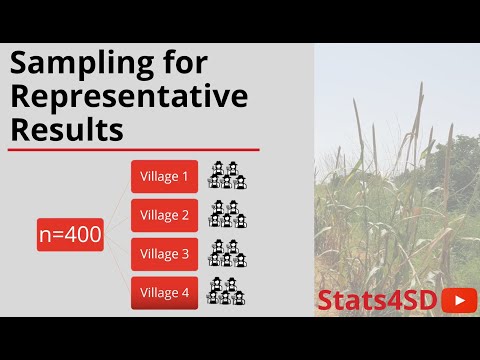
Representativeness is a critical aspect of survey sampling, as it ensures that the sample is representative of the population. A representative sample is one that has the same characteristics as the population, such as Demographic Characteristics and Attitudes. To achieve representativeness, researchers use various techniques, such as Stratified Sampling and Weighting. These techniques help to reduce Bias and ensure that the results are generalizable to the population. Researchers should also consider using Propensity Score Matching to match the sample to the population.
📊 Common Biases in Survey Sampling
Common biases in survey sampling include Selection Bias, Information Bias, and Non-Response Bias. Selection bias occurs when the sample is not representative of the population, while information bias occurs when the data collected is inaccurate or incomplete. Non-response bias occurs when some members of the sample do not respond to the survey, which can affect the representativeness of the sample. Researchers should use various techniques, such as Data Validation and Data Cleaning, to minimize these biases and ensure the quality of the data.
📊 Best Practices for Survey Sampling
Best practices for survey sampling include using probability sampling techniques, determining the appropriate sample size, and using data collection methods that minimize bias. Researchers should also ensure that the sample is representative of the population and that the data is of high quality. Additionally, researchers should consider using Pilot Studies to test the survey instrument and the data collection method. By following these best practices, researchers can increase the validity and reliability of their results and make informed decisions based on the data.
📊 Future of Survey Sampling
The future of survey sampling is likely to involve the use of new technologies, such as Artificial Intelligence and Machine Learning, to improve the efficiency and accuracy of survey sampling. These technologies can help to automate the sampling process, reduce bias, and improve the representativeness of the sample. Researchers should also consider using Big Data and Data Mining techniques to analyze large datasets and identify patterns and trends.
📊 Case Studies in Survey Sampling
Case studies in survey sampling can provide valuable insights into the application of survey sampling methods in real-world settings. For example, a case study on the use of Cluster Sampling in a Public Health study can demonstrate the effectiveness of this method in reducing costs and improving the accuracy of the results. Another case study on the use of Online Surveys in a Market Research study can demonstrate the benefits of using this method in terms of speed and convenience.
📊 Conclusion
In conclusion, survey sampling is a critical aspect of statistics and research methods that involves selecting a sample of elements from a target population to conduct a survey. By using probability sampling techniques, determining the appropriate sample size, and using data collection methods that minimize bias, researchers can ensure that their results are reliable and generalizable to the population. As the field of survey sampling continues to evolve, researchers should stay up-to-date with the latest methods and technologies to ensure that their research is of the highest quality.
Key Facts
- Year
- 2020
- Origin
- Statistics and Social Sciences
- Category
- Statistics and Research Methods
- Type
- Research Method
Frequently Asked Questions
What is survey sampling?
Survey sampling is the process of selecting a sample of elements from a target population to conduct a survey. It involves using various techniques, such as probability sampling and non-probability sampling, to select a representative sample of the population. The purpose of survey sampling is to reduce the cost and/or the amount of work that it would take to survey the entire target population. For example, a researcher might use Survey Sampling to study the effects of a new policy on a specific population.
What are the types of survey sampling methods?
There are two main types of survey sampling methods: probability sampling and non-probability sampling. Probability sampling involves selecting a sample using a random process, where every member of the population has a known chance of being selected. Non-probability sampling involves selecting a sample based on non-random criteria, such as convenience or quota sampling. Researchers might also use Stratified Sampling to divide the population into distinct subgroups.
What is the purpose of survey sampling?
The purpose of survey sampling is to reduce the cost and/or the amount of work that it would take to survey the entire target population. By selecting a representative sample of the population, researchers can make inferences about the whole population and draw conclusions about the characteristics and attitudes of the population. For instance, a researcher might use Survey Research to study the effects of a new program on a specific geographic area.
What are the advantages of probability sampling?
The advantages of probability sampling include the ability to provide unbiased estimates of population parameters, the ability to calculate the margin of error, and the ability to make inferences about the population. Probability sampling also allows researchers to use statistical methods to analyze the data and draw conclusions about the population. Researchers should also consider using Power Analysis to determine the required sample size to detect statistically significant effects.
What are the common biases in survey sampling?
Common biases in survey sampling include selection bias, information bias, and non-response bias. Selection bias occurs when the sample is not representative of the population, while information bias occurs when the data collected is inaccurate or incomplete. Non-response bias occurs when some members of the sample do not respond to the survey, which can affect the representativeness of the sample. Researchers should use various techniques, such as Data Validation and Data Cleaning, to minimize these biases and ensure the quality of the data.
What are the best practices for survey sampling?
Best practices for survey sampling include using probability sampling techniques, determining the appropriate sample size, and using data collection methods that minimize bias. Researchers should also ensure that the sample is representative of the population and that the data is of high quality. Additionally, researchers should consider using Pilot Studies to test the survey instrument and the data collection method. By following these best practices, researchers can increase the validity and reliability of their results and make informed decisions based on the data.
What is the future of survey sampling?
The future of survey sampling is likely to involve the use of new technologies, such as artificial intelligence and machine learning, to improve the efficiency and accuracy of survey sampling. These technologies can help to automate the sampling process, reduce bias, and improve the representativeness of the sample. Researchers should also consider using Big Data and Data Mining techniques to analyze large datasets and identify patterns and trends.