
Contents
- 🌎 Introduction to Student Activism
- 📚 History of Student Activism
- 🌈 Types of Student Activism
- 🏫 Campus Activism and Democratization
- 🌟 Notable Student Activists
- 🌎 Global Student Movements
- 📊 Impact of Student Activism
- 🤝 Challenges Faced by Student Activists
- 🌈 Future of Student Activism
- 📢 Conclusion
- Frequently Asked Questions
- Related Topics
Overview
Student activists have been at the forefront of social movements throughout history, from the Civil Rights Movement to climate change protests. The 1960s saw a surge in student-led activism, with the Student Nonviolent Coordinating Committee (SNCC) playing a key role in the American Civil Rights Movement. Today, student activists continue to push for change, with movements like Black Lives Matter, #MeToo, and Fridays for Future gaining momentum. According to a 2020 survey, 75% of Gen Z students believe that activism is essential for creating social change. Notable student activists include Malala Yousafzai, who fought for girls' education, and Greta Thunberg, who has become a leading voice on climate action. As student activism continues to evolve, it's likely that we'll see even more young people taking charge and demanding action on the issues that matter most to them.
🌎 Introduction to Student Activism
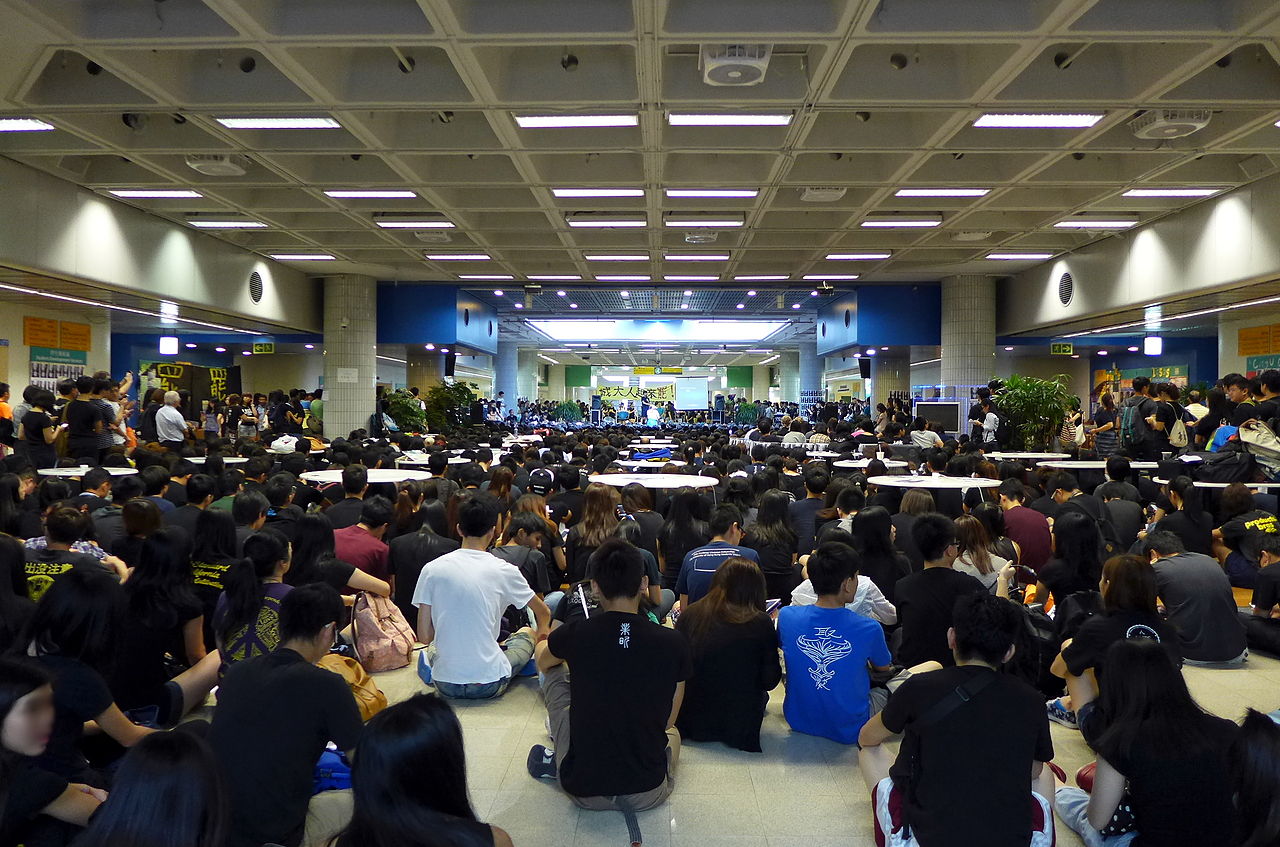
Student activism, also known as campus activism, refers to the work done by students to bring about social change, environmental awareness, economic justice, or civil rights. Student groups have played a crucial role in shaping democratization and civil rights movements throughout history. The Student Nonviolent Coordinating Committee (SNCC) is a notable example of a student-led organization that fought for racial equality and voting rights in the United States. Student activism has also been instrumental in raising awareness about climate change and promoting sustainability on college campuses.
📚 History of Student Activism
The history of student activism dates back to the early 20th century, with the Student Christian Movement being one of the first organizations to mobilize students for social change. The 1960s saw a surge in student activism, with the emergence of the New Left movement and the anti-war movement. The Student Power movement, which originated in the United States, aimed to increase student participation in university decision-making processes. Student activism has also been influenced by Marxist and anarchist ideologies, with many student groups embracing socialist and communist principles.
🌈 Types of Student Activism
There are various types of student activism, including environmental activism, labor activism, and lGBTQ+ rights activism. Student groups may also focus on education policy, immigration reform, and gun control. The Occupy movement, which began on college campuses, highlighted issues of income inequality and corporate accountability. Student activism often involves protests, boycotts, and petitions, as well as more subtle forms of activism, such as community organizing and advocacy.
🏫 Campus Activism and Democratization
Campus activism has played a significant role in democratization efforts worldwide. Student groups have been instrumental in pro-democracy movements, such as the Arab Spring and the Umbrella Movement. The Free Speech Movement, which originated at the University of California, Berkeley, fought for students' right to free speech and assembly. Campus activism has also been crucial in promoting civil rights, with many student groups working to address issues of racial injustice and sexism.
🌟 Notable Student Activists
Notable student activists include Malala Yousafzai, who fought for girls' education in Pakistan, and Mario Savio, a leader of the Free Speech Movement. Other notable student activists include Stokely Carmichael, who played a key role in the civil rights movement, and Angela Davis, who has been a prominent figure in the Black Power movement. Student activists have also been recognized for their work in promoting lGBTQ+ rights, such as Harvey Milk, who was one of the first openly gay elected officials in the United States.
🌎 Global Student Movements
Global student movements have been instrumental in shaping social and political change. The International Student Movement, which emerged in the 1960s, aimed to promote international cooperation and solidarity among students. The Global Justice movement, which began in the 1990s, focused on issues of economic globalization and corporate accountability. Student movements have also played a key role in promoting environmentalism, with many groups working to address issues of climate change and sustainability.
📊 Impact of Student Activism
The impact of student activism has been significant, with many student-led movements resulting in meaningful social and political change. The civil rights movement, which was heavily influenced by student activism, led to the passage of landmark legislation such as the Civil Rights Act of 1964 and the Voting Rights Act of 1965. Student activism has also been instrumental in promoting environmental policy, with many student groups working to address issues of climate change and sustainability.
🤝 Challenges Faced by Student Activists
Despite the many successes of student activism, student activists often face significant challenges, including repression and surveillance. Many student activists have been arrested or expelled from school for their activism, and some have even faced violence and intimidation. Student activists must also navigate complex university administration systems, which can be resistant to change. Additionally, student activists often face burnout and mental health challenges, which can make it difficult to sustain their activism over time.
🌈 Future of Student Activism
The future of student activism looks bright, with many student groups continuing to mobilize and organize for social and political change. The Black Lives Matter movement, which has been heavily influenced by student activism, has highlighted issues of racial injustice and police brutality. Student activism has also been instrumental in promoting lGBTQ+ rights, with many student groups working to address issues of discrimination and inequality. As student activism continues to evolve, it is likely that we will see new and innovative forms of activism emerge, such as digital activism and community organizing.
📢 Conclusion
In conclusion, student activism has played a significant role in shaping social and political change throughout history. From the civil rights movement to the environmental movement, student activists have been instrumental in promoting social justice and human rights. As we look to the future, it is clear that student activism will continue to be a powerful force for change, and it is essential that we support and empower student activists to continue their important work.
Key Facts
- Year
- 1960
- Origin
- United States
- Category
- Social Movement
- Type
- Social Movement
Frequently Asked Questions
What is student activism?
Student activism refers to the work done by students to bring about social, environmental, economic, or political change. Student activism can take many forms, including protests, boycotts, and petitions, as well as more subtle forms of activism, such as community organizing and advocacy. Student activism has been instrumental in shaping social and political change throughout history, from the civil rights movement to the environmental movement.
What are some notable examples of student activism?
Notable examples of student activism include the civil rights movement, the anti-war movement, and the environmental movement. Student activists have also been instrumental in promoting LGBTQ+ rights, labor rights, and immigrant rights. The Student Nonviolent Coordinating Committee (SNCC) and the Free Speech Movement are two notable examples of student-led organizations that fought for social justice and human rights.
What challenges do student activists face?
Student activists often face significant challenges, including repression and surveillance. Many student activists have been arrested or expelled from school for their activism, and some have even faced violence and intimidation. Student activists must also navigate complex university administration systems, which can be resistant to change. Additionally, student activists often face burnout and mental health challenges, which can make it difficult to sustain their activism over time.
What is the impact of student activism?
The impact of student activism has been significant, with many student-led movements resulting in meaningful social and political change. The civil rights movement, which was heavily influenced by student activism, led to the passage of landmark legislation such as the Civil Rights Act of 1964 and the Voting Rights Act of 1965. Student activism has also been instrumental in promoting environmental policy, with many student groups working to address issues of climate change and sustainability.
What is the future of student activism?
The future of student activism looks bright, with many student groups continuing to mobilize and organize for social and political change. The Black Lives Matter movement, which has been heavily influenced by student activism, has highlighted issues of racial injustice and police brutality. Student activism has also been instrumental in promoting LGBTQ+ rights, with many student groups working to address issues of discrimination and inequality. As student activism continues to evolve, it is likely that we will see new and innovative forms of activism emerge, such as digital activism and community organizing.
How can I get involved in student activism?
There are many ways to get involved in student activism, depending on your interests and passions. You can start by researching student groups and organizations on your campus, and attending meetings and events to learn more about their work. You can also consider joining a student organization or starting your own group to address issues that are important to you. Additionally, you can participate in protests, boycotts, and petitions, and use social media to raise awareness and mobilize support for social and political change.
What are some notable student activists?
Notable student activists include Malala Yousafzai, who fought for girls' education in Pakistan, and Mario Savio, a leader of the Free Speech Movement. Other notable student activists include Stokely Carmichael, who played a key role in the civil rights movement, and Angela Davis, who has been a prominent figure in the Black Power movement. Student activists have also been recognized for their work in promoting LGBTQ+ rights, such as Harvey Milk, who was one of the first openly gay elected officials in the United States.