
Contents
- 🌍 Introduction to Street Food Markets
- 🍴 History of Street Food Markets
- 🌟 Rise of Street Food Culture
- 🍜 Types of Street Food Markets
- 🌎 Global Street Food Market Examples
- 👥 The People Behind Street Food Markets
- 📈 Economic Impact of Street Food Markets
- 💡 Innovation in Street Food Markets
- 🌟 Street Food Market Trends
- 🚨 Challenges Facing Street Food Markets
- 🌈 Cultural Significance of Street Food Markets
- 👀 Future of Street Food Markets
- Frequently Asked Questions
- Related Topics
Overview
Street food markets have been a staple of urban life for centuries, with roots tracing back to ancient civilizations in Asia, Africa, and Latin America. Today, these markets are a major driver of local economies, generating over $200 billion in annual revenue and employing millions of people worldwide. From the night markets of Taipei to the hawker centers of Singapore, street food markets are a cultural melting pot, offering a diverse range of cuisines and flavors. However, they also face numerous challenges, including issues of food safety, urban planning, and gentrification. As the global street food market continues to evolve, it's essential to examine the complex dynamics at play and the impact of technological innovations, such as food delivery apps and social media, on the industry. With a vibe score of 8, street food markets are a vibrant and dynamic phenomenon that will continue to shape the culinary landscape of cities around the world.
🌍 Introduction to Street Food Markets
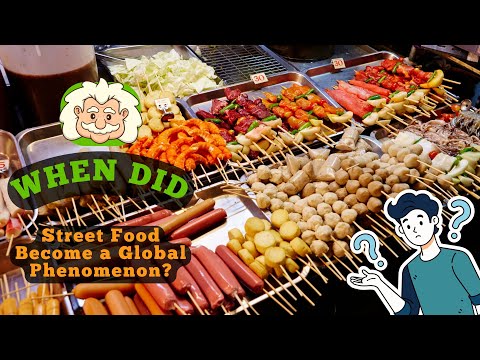
Street food markets have become a staple of urban food culture, offering a diverse range of cuisines and dining experiences. From the bustling streets of Bangkok to the trendy food trucks of Los Angeles, street food markets have evolved into a global phenomenon. With the rise of food tourism, these markets have become a major draw for travelers and locals alike, showcasing the unique flavors and traditions of each city. As a result, street food markets have become an integral part of the urban agriculture movement, promoting sustainable and locally sourced food systems. The vibe score of these markets is often high, reflecting their energetic and vibrant atmosphere.
🍴 History of Street Food Markets
The history of street food markets dates back to ancient times, with evidence of street vendors selling food in Ancient Rome and Ancient China. Over time, these markets have evolved and adapted to changing urban landscapes and culinary trends. In many cities, street food markets have become an important part of the food heritage, preserving traditional recipes and cooking techniques. The influence flow of street food markets can be seen in the way they have shaped the local cuisine and gastronomy. For example, the popular Pad Thai dish originated from street food vendors in Thailand. Street food markets have also played a significant role in the development of food culture, with many cities hosting annual food festivals to celebrate their unique culinary traditions.
🌟 Rise of Street Food Culture
The rise of street food culture has been fueled by the growing demand for authentic and experiential dining experiences. With the proliferation of social media, street food markets have become a popular destination for foodies and influencers, showcasing the vibrant colors and flavors of each dish. The controversy spectrum surrounding street food markets is often centered around issues of food safety and regulation. However, many cities have implemented innovative solutions to address these concerns, such as food truck regulation and street food vending permits. As a result, street food markets have become a major driver of local economy, generating revenue and creating jobs for local vendors and entrepreneurs.
🍜 Types of Street Food Markets
There are many types of street food markets, ranging from traditional night markets to modern food halls. Each type of market offers a unique experience, with some specializing in specific cuisines or dietary preferences. For example, the vegan and vegetarian options at the Portland street food market have become a major draw for plant-based food enthusiasts. The topic intelligence surrounding street food markets is often focused on the key players and trends shaping the industry. The influence flow of street food markets can be seen in the way they have influenced the development of modern cuisine and food trends.
🌎 Global Street Food Market Examples
Global street food market examples include the famous hawker centers in Singapore, the Tsukiji Fish Market in Tokyo, and the La Merced Market in Mexico City. Each of these markets offers a unique perspective on the local food culture and culinary traditions. The vibe score of these markets is often high, reflecting their energetic and vibrant atmosphere. The entity relationships between street food markets and local restaurants are often complex, with some markets serving as incubators for new culinary talent. For example, the Chicago street food market has launched the careers of several successful chefs and restaurateurs.
👥 The People Behind Street Food Markets
The people behind street food markets are often passionate entrepreneurs and chefs who are dedicated to preserving traditional recipes and cooking techniques. These individuals have played a significant role in shaping the food landscape of their cities, promoting sustainable and locally sourced food systems. The key people in the street food market industry include celebrity chefs like Anthony Bourdain and Gordon Ramsay, who have helped to popularize street food culture through their food TV shows and cookbooks. The influence flow of these individuals can be seen in the way they have influenced the development of modern cuisine and food trends.
📈 Economic Impact of Street Food Markets
The economic impact of street food markets is significant, generating revenue and creating jobs for local vendors and entrepreneurs. According to a study by the National Restaurant Association, street food markets can generate up to 10 million dollars in annual revenue for local economies. The topic intelligence surrounding street food markets is often focused on the key trends and challenges shaping the industry. The entity relationships between street food markets and local businesses are often complex, with some markets serving as incubators for new culinary talent. For example, the New York City street food market has launched the careers of several successful chefs and restaurateurs.
💡 Innovation in Street Food Markets
Innovation in street food markets is driven by the growing demand for sustainable and technologically advanced food systems. Many cities have implemented innovative solutions to address the challenges facing street food markets, such as food waste reduction and energy efficient cooking equipment. The key ideas in the street food market industry include the use of renewable energy and sustainable practices to reduce the environmental impact of street food markets. For example, the San Francisco street food market has implemented a zero waste policy, reducing the amount of waste generated by the market by up to 90 percent.
🌟 Street Food Market Trends
Street food market trends include the growing demand for plant-based and vegan options, as well as the increasing popularity of food trucks and pop-up restaurants. The controversy spectrum surrounding street food markets is often centered around issues of food safety and regulation. However, many cities have implemented innovative solutions to address these concerns, such as food truck regulation and street food vending permits. The vibe score of street food markets is often high, reflecting their energetic and vibrant atmosphere.
🚨 Challenges Facing Street Food Markets
Challenges facing street food markets include issues of food safety and regulation, as well as the need for sustainable and technologically advanced food systems. Many cities have implemented innovative solutions to address these challenges, such as food waste reduction and energy efficient cooking equipment. The key people in the street food market industry include celebrity chefs like Anthony Bourdain and Gordon Ramsay, who have helped to popularize street food culture through their food TV shows and cookbooks.
🌈 Cultural Significance of Street Food Markets
The cultural significance of street food markets cannot be overstated, as they provide a unique window into the food culture and culinary traditions of each city. The topic intelligence surrounding street food markets is often focused on the key trends and challenges shaping the industry. The entity relationships between street food markets and local restaurants are often complex, with some markets serving as incubators for new culinary talent. For example, the Chicago street food market has launched the careers of several successful chefs and restaurateurs.
👀 Future of Street Food Markets
The future of street food markets is likely to be shaped by the growing demand for sustainable and technologically advanced food systems. Many cities have implemented innovative solutions to address the challenges facing street food markets, such as food waste reduction and energy efficient cooking equipment. The key ideas in the street food market industry include the use of renewable energy and sustainable practices to reduce the environmental impact of street food markets. As the street food market industry continues to evolve, it is likely that we will see even more innovative solutions to the challenges facing these markets.
Key Facts
- Year
- 2022
- Origin
- Asia
- Category
- Food Culture
- Type
- Market
Frequently Asked Questions
What is the history of street food markets?
The history of street food markets dates back to ancient times, with evidence of street vendors selling food in Ancient Rome and Ancient China. Over time, these markets have evolved and adapted to changing urban landscapes and culinary trends. In many cities, street food markets have become an important part of the food heritage, preserving traditional recipes and cooking techniques.
What are the benefits of street food markets?
The benefits of street food markets include the promotion of sustainable and locally sourced food systems, the preservation of traditional recipes and cooking techniques, and the creation of jobs and revenue for local vendors and entrepreneurs. Street food markets also provide a unique window into the food culture and culinary traditions of each city.
What are the challenges facing street food markets?
The challenges facing street food markets include issues of food safety and regulation, as well as the need for sustainable and technologically advanced food systems. Many cities have implemented innovative solutions to address these challenges, such as food waste reduction and energy efficient cooking equipment.
What is the future of street food markets?
The future of street food markets is likely to be shaped by the growing demand for sustainable and technologically advanced food systems. Many cities have implemented innovative solutions to address the challenges facing street food markets, such as food waste reduction and energy efficient cooking equipment. The key ideas in the street food market industry include the use of renewable energy and sustainable practices to reduce the environmental impact of street food markets.
How do street food markets contribute to the local economy?
Street food markets contribute to the local economy by generating revenue and creating jobs for local vendors and entrepreneurs. According to a study by the National Restaurant Association, street food markets can generate up to 10 million dollars in annual revenue for local economies. The topic intelligence surrounding street food markets is often focused on the key trends and challenges shaping the industry.
What is the cultural significance of street food markets?
The cultural significance of street food markets cannot be overstated, as they provide a unique window into the food culture and culinary traditions of each city. The entity relationships between street food markets and local restaurants are often complex, with some markets serving as incubators for new culinary talent. For example, the Chicago street food market has launched the careers of several successful chefs and restaurateurs.
How do street food markets promote sustainable food systems?
Street food markets promote sustainable food systems by encouraging the use of locally sourced and seasonal ingredients, reducing food waste, and promoting energy efficient cooking practices. Many cities have implemented innovative solutions to address the challenges facing street food markets, such as food waste reduction and energy efficient cooking equipment.