
Contents
- 🌟 Introduction to Stellar Black Holes
- 🔍 Formation Mechanisms of Stellar Black Holes
- 📊 Mass Range and Characteristics
- 🌠 Supernova Explosions and Black Hole Formation
- 🔭 Detection Methods for Stellar Black Holes
- 🌈 Observational Evidence for Stellar Black Holes
- 🤔 Theoretical Models and Simulations
- 🌐 Stellar Black Holes in the Context of the Universe
- 📈 Growth and Evolution of Stellar Black Holes
- 🌊 Impact on Surrounding Space and Matter
- 🌴 Future Research Directions and Mysteries
- Frequently Asked Questions
- Related Topics
Overview
Stellar black holes are among the most fascinating objects in the universe, with their incredibly strong gravity and mysterious nature. They are formed by the gravitational collapse of a star, which can occur when a star runs out of fuel and dies. The resulting black hole can have a mass ranging from about 5 to several tens of solar masses, making them relatively small compared to supermassive black holes. Stellar black holes are also known to be the remnants of supernova explosions, but other formation mechanisms may operate, such as the collapse of a massive star or the merger of two neutron stars. For more information on the formation of black holes, see black hole formation. The study of stellar black holes is an active area of research, with scientists using a variety of methods to detect and study these objects, including x-ray astronomy and gamma-ray astronomy.
🔍 Formation Mechanisms of Stellar Black Holes
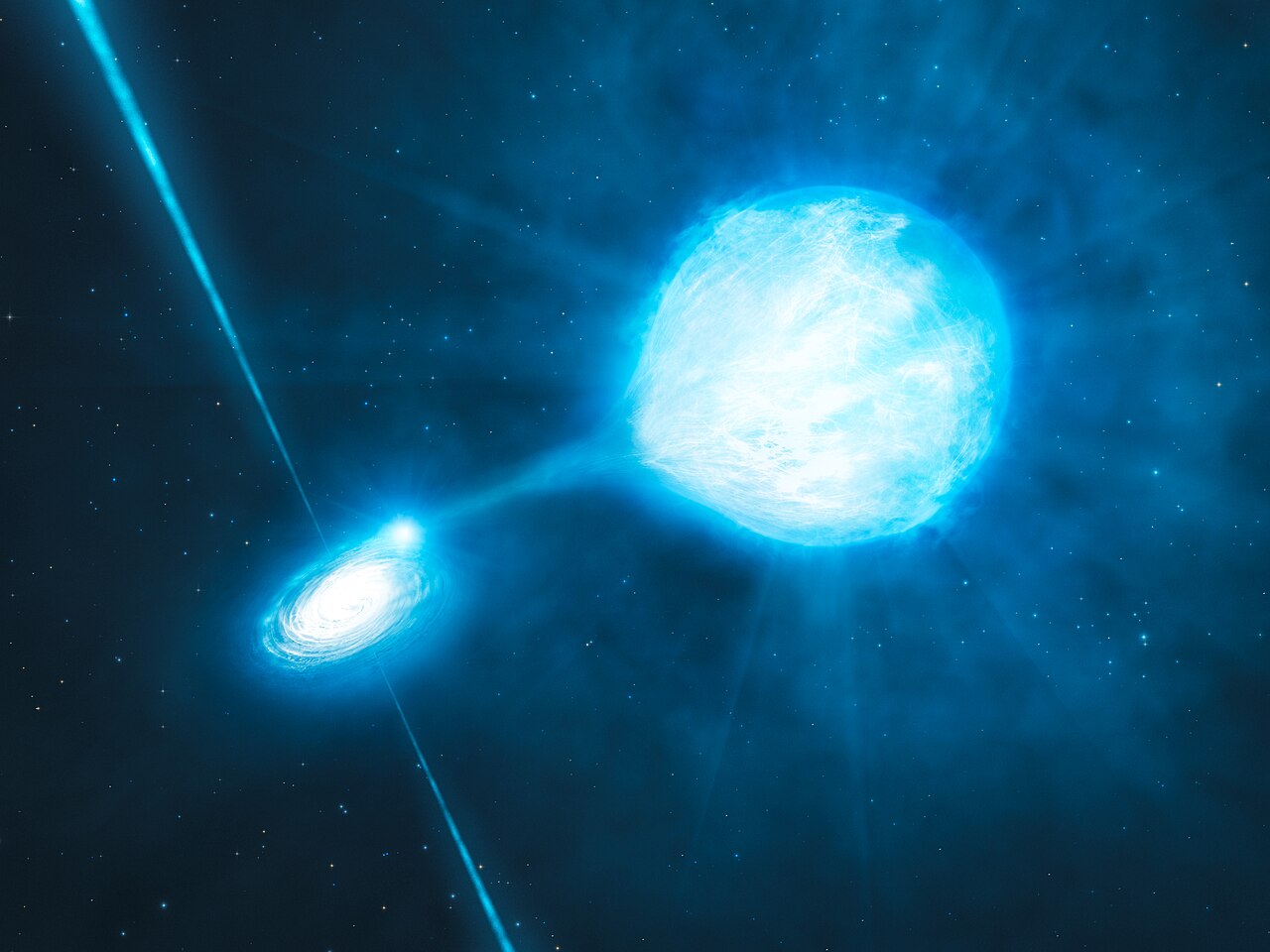
The formation mechanisms of stellar black holes are still not fully understood and are the subject of ongoing research. One of the main ways that stellar black holes are thought to form is through the supernova explosion of a massive star. When a star runs out of fuel, it can collapse under its own gravity, causing a massive explosion that expels a large amount of material into space. If the star is massive enough, the core can collapse into a black hole, with the surrounding material forming a disk of accreted matter. Other formation mechanisms, such as the collapse of a massive star or the merger of two neutron stars, may also operate. For more information on the different types of black holes, see types of black holes. The study of stellar black holes is closely tied to the study of stellar evolution and the life cycles of stars.
📊 Mass Range and Characteristics
Stellar black holes have a mass range that is typically between 5 and 20 solar masses, although some stellar black holes can have masses of up to several tens of solar masses. They are characterized by their incredibly strong gravity, which is so strong that not even light can escape once it gets too close to the event horizon. The event horizon is the point of no return around a black hole, and it marks the boundary beyond which anything that enters cannot escape. Stellar black holes are also known to have a spin, which can affect the way that they interact with their surroundings. For more information on the properties of black holes, see properties of black holes. The study of stellar black holes is an active area of research, with scientists using a variety of methods to detect and study these objects, including astronomical observations and theoretical models.
🌠 Supernova Explosions and Black Hole Formation
Supernova explosions are one of the main ways that stellar black holes are thought to form. When a star runs out of fuel, it can collapse under its own gravity, causing a massive explosion that expels a large amount of material into space. If the star is massive enough, the core can collapse into a black hole, with the surrounding material forming a disk of accreted matter. Supernova explosions are incredibly powerful, releasing an enormous amount of energy in the form of light and other forms of radiation. They can be seen from millions of light-years away and are an important area of study in astronomy. For more information on supernova explosions, see supernova. The study of stellar black holes is closely tied to the study of cosmology and the origin of the universe.
🔭 Detection Methods for Stellar Black Holes
Detecting stellar black holes is a challenging task, as they do not emit any light or other forms of radiation. However, scientists have developed a variety of methods to detect and study these objects, including x-ray astronomy and gamma-ray astronomy. These methods involve looking for the X-rays or gamma rays that are emitted by hot gas swirling around black holes. Other methods, such as gravitational lensing and astrometry, can also be used to detect stellar black holes. For more information on the detection of black holes, see detecting black holes. The study of stellar black holes is an active area of research, with scientists using a variety of methods to detect and study these objects, including space missions and ground-based observations.
🌈 Observational Evidence for Stellar Black Holes
There is a significant amount of observational evidence for stellar black holes, including X-rays and gamma rays emitted by hot gas swirling around these objects. The observation of stellar motions and gas motions in the vicinity of suspected black holes can also provide evidence for their existence. Additionally, the observation of gravitational waves emitted by the merger of two black holes or a black hole and a neutron star can provide strong evidence for the existence of stellar black holes. For more information on the observational evidence for black holes, see observational evidence for black holes. The study of stellar black holes is closely tied to the study of general relativity and the behavior of matter in extreme conditions.
🤔 Theoretical Models and Simulations
Theoretical models and simulations play a crucial role in our understanding of stellar black holes. These models and simulations can be used to study the behavior of black holes in a variety of situations, including their formation, growth, and interaction with their surroundings. They can also be used to make predictions about the properties of black holes, such as their mass, spin, and accretion rate. For more information on theoretical models and simulations of black holes, see theoretical models of black holes. The study of stellar black holes is an active area of research, with scientists using a variety of methods to detect and study these objects, including numerical simulations and analytical models.
🌐 Stellar Black Holes in the Context of the Universe
Stellar black holes are an important area of study in the context of the universe as a whole. They can provide insights into the formation and evolution of stars and galaxies, as well as the behavior of matter in extreme conditions. They can also be used to test our understanding of general relativity and the behavior of gravity in strong-field regimes. For more information on the role of black holes in the universe, see black holes in the universe. The study of stellar black holes is closely tied to the study of cosmology and the origin of the universe.
📈 Growth and Evolution of Stellar Black Holes
The growth and evolution of stellar black holes is an active area of research, with scientists using a variety of methods to study these objects. Stellar black holes can grow in mass over time through the accretion of material from their surroundings, and they can also merge with other black holes to form more massive objects. For more information on the growth and evolution of black holes, see growth and evolution of black holes. The study of stellar black holes is closely tied to the study of stellar evolution and the life cycles of stars.
🌊 Impact on Surrounding Space and Matter
Stellar black holes can have a significant impact on their surroundings, including the formation of accretion disks and the emission of x-rays and gamma rays. They can also affect the motion of nearby stars and gas, and they can even influence the formation of new stars. For more information on the impact of black holes on their surroundings, see impact of black holes on their surroundings. The study of stellar black holes is an active area of research, with scientists using a variety of methods to detect and study these objects, including space missions and ground-based observations.
🌴 Future Research Directions and Mysteries
The study of stellar black holes is an active area of research, with many mysteries still to be uncovered. Future research directions include the detection of stellar black holes using new and innovative methods, such as gravitational wave astronomy. The study of stellar black holes can also provide insights into the formation and evolution of stars and galaxies, as well as the behavior of matter in extreme conditions. For more information on the future of black hole research, see future of black hole research. The study of stellar black holes is closely tied to the study of cosmology and the origin of the universe.
Key Facts
- Year
- 1971
- Origin
- Supernova Explosions
- Category
- Astronomy
- Type
- Celestial Object
Frequently Asked Questions
What is a stellar black hole?
A stellar black hole is a black hole that is formed by the gravitational collapse of a star. They have masses ranging from about 5 to several tens of solar masses and are characterized by their incredibly strong gravity. Stellar black holes can be the remnants of supernova explosions, but other formation mechanisms may operate. For more information on stellar black holes, see stellar black holes. The study of stellar black holes is an active area of research, with scientists using a variety of methods to detect and study these objects, including x-ray astronomy and gamma-ray astronomy.
How are stellar black holes formed?
Stellar black holes are thought to form through the gravitational collapse of a star, which can occur when a star runs out of fuel and dies. The resulting black hole can have a mass ranging from about 5 to several tens of solar masses. Supernova explosions are one of the main ways that stellar black holes are thought to form, but other formation mechanisms may operate, such as the collapse of a massive star or the merger of two neutron stars. For more information on the formation of stellar black holes, see formation of stellar black holes. The study of stellar black holes is closely tied to the study of stellar evolution and the life cycles of stars.
What are the characteristics of stellar black holes?
Stellar black holes have a mass range that is typically between 5 and 20 solar masses, although some stellar black holes can have masses of up to several tens of solar masses. They are characterized by their incredibly strong gravity, which is so strong that not even light can escape once it gets too close to the event horizon. Stellar black holes also have a spin, which can affect the way that they interact with their surroundings. For more information on the properties of stellar black holes, see properties of stellar black holes. The study of stellar black holes is an active area of research, with scientists using a variety of methods to detect and study these objects, including astronomical observations and theoretical models.
How are stellar black holes detected?
Detecting stellar black holes is a challenging task, as they do not emit any light or other forms of radiation. However, scientists have developed a variety of methods to detect and study these objects, including x-ray astronomy and gamma-ray astronomy. These methods involve looking for the X-rays or gamma rays that are emitted by hot gas swirling around black holes. Other methods, such as gravitational lensing and astrometry, can also be used to detect stellar black holes. For more information on the detection of stellar black holes, see detecting stellar black holes. The study of stellar black holes is an active area of research, with scientists using a variety of methods to detect and study these objects, including space missions and ground-based observations.
What is the significance of stellar black holes in the universe?
Stellar black holes are an important area of study in the context of the universe as a whole. They can provide insights into the formation and evolution of stars and galaxies, as well as the behavior of matter in extreme conditions. They can also be used to test our understanding of general relativity and the behavior of gravity in strong-field regimes. For more information on the role of stellar black holes in the universe, see stellar black holes in the universe. The study of stellar black holes is closely tied to the study of cosmology and the origin of the universe.
What are the future research directions for stellar black holes?
The study of stellar black holes is an active area of research, with many mysteries still to be uncovered. Future research directions include the detection of stellar black holes using new and innovative methods, such as gravitational wave astronomy. The study of stellar black holes can also provide insights into the formation and evolution of stars and galaxies, as well as the behavior of matter in extreme conditions. For more information on the future of stellar black hole research, see future of stellar black hole research. The study of stellar black holes is closely tied to the study of cosmology and the origin of the universe.
How do stellar black holes affect their surroundings?
Stellar black holes can have a significant impact on their surroundings, including the formation of accretion disks and the emission of x-rays and gamma rays. They can also affect the motion of nearby stars and gas, and they can even influence the formation of new stars. For more information on the impact of stellar black holes on their surroundings, see impact of stellar black holes on their surroundings. The study of stellar black holes is an active area of research, with scientists using a variety of methods to detect and study these objects, including space missions and ground-based observations.