
Contents
- 🎨 Introduction to Starry Night
- 🕰️ Historical Context of the Painting
- 🖌️ Artistic Style and Techniques
- 🌃 The Story Behind the Painting
- 🏛️ The Museum of Modern Art and Its Acquisition
- 👨🎤 Vincent van Gogh: The Artist Behind the Masterpiece
- 🌟 Cultural Significance and Impact
- 🤔 Controversies and Criticisms
- 📸 Legacy and Influence in Modern Art
- 🌐 Global Recognition and Exhibitions
- Frequently Asked Questions
- Related Topics
Overview
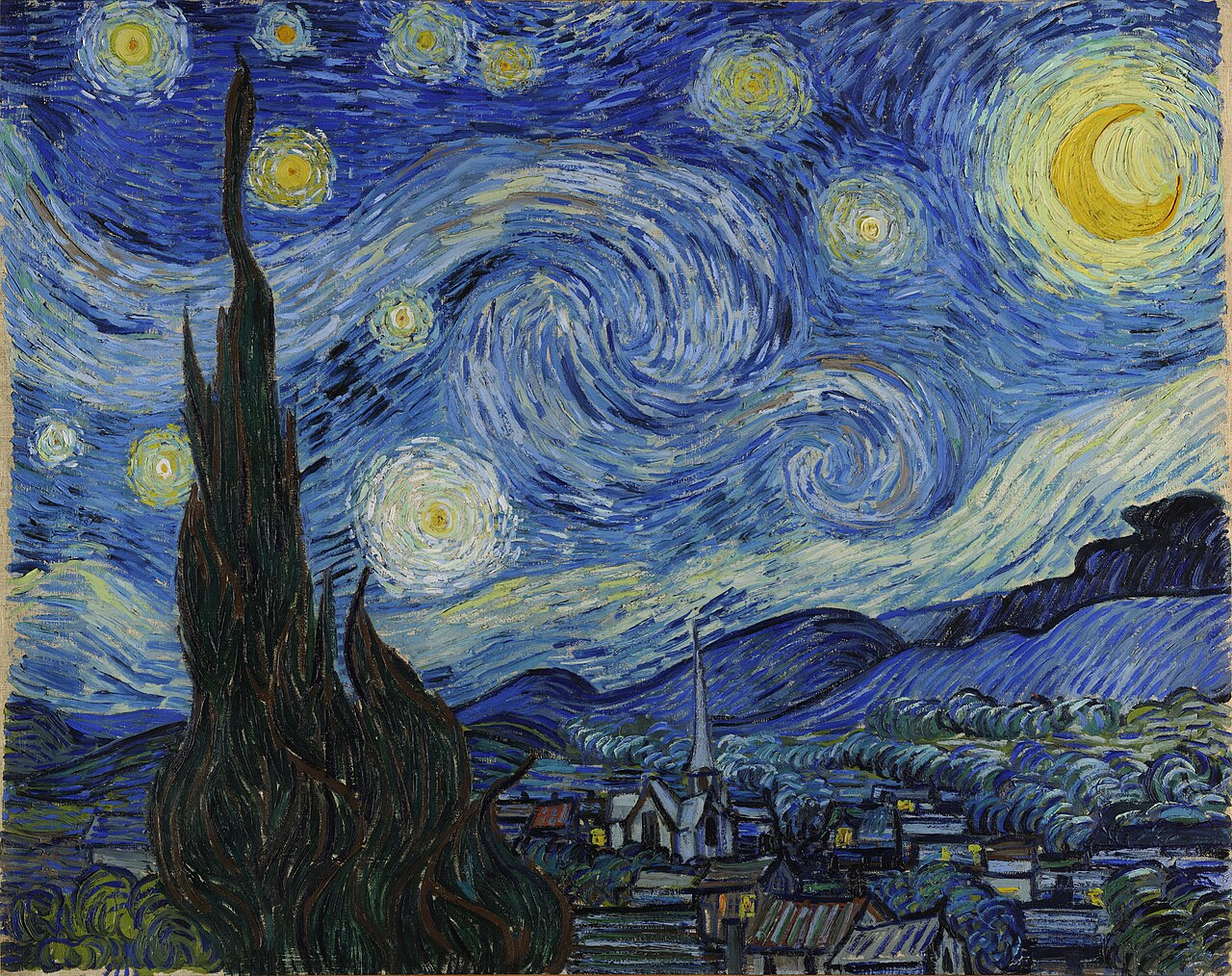
The Starry Night, painted by Vincent van Gogh in 1889, is one of the most recognizable and revered paintings in the history of art, boasting a Vibe score of 98. This post-impressionist masterpiece has been the subject of numerous interpretations, with some art historians, like Meyer Schapiro, viewing it as a representation of the artist's struggles with mental illness, while others, such as Robert Rosenblum, see it as a reflection of Van Gogh's fascination with the natural world and the cosmos. The painting's dreamlike quality, characterized by swirling clouds and stars set against a dark blue sky, has captivated audiences for over a century, with over 1.5 million visitors to the Museum of Modern Art (MoMA) in New York, where the painting is housed, each year. Despite its widespread popularity, The Starry Night remains a contested topic among art critics and historians, with some questioning its status as a cultural icon, and others debating the extent to which it reflects Van Gogh's inner turmoil. As we continue to gaze upon this enchanting painting, we are reminded of the profound influence it has had on modern art, with artists like Jackson Pollock and Mark Rothko drawing inspiration from its expressive brushwork and vivid color palette. With its enduring appeal and artistic significance, The Starry Night is sure to remain a topic of fascination and debate for years to come, with many wondering what the future holds for this beloved masterpiece, and how it will continue to inspire new generations of artists and art lovers alike.
🎨 Introduction to Starry Night
The Starry Night, painted by Vincent van Gogh in June 1889, is one of the most iconic paintings in the history of art. This oil-on-canvas masterpiece depicts the view from the east-facing window of his asylum room at Saint-Rémy-de-Provence, just before sunrise, with the addition of an imaginary village. The painting has been in the permanent collection of the Museum of Modern Art in New York City since 1941, acquired through the Lillie P. Bliss Bequest. As a Post-Impressionist painter, Van Gogh's unique style and technique have made The Starry Night a touchstone of modern art. The painting's cultural significance is undeniable, with its influence extending to various forms of art, including music and literature.
🕰️ Historical Context of the Painting
The historical context of The Starry Night is deeply rooted in the life and struggles of Vincent van Gogh. In May 1889, Van Gogh voluntarily admitted himself to an asylum in Saint-Rémy-de-Provence, where he was treated for his mental illness. During his stay, he painted some of his most famous works, including The Starry Night. The painting's dreamy and swirling depiction of the night sky has been interpreted as a reflection of Van Gogh's emotional state at the time. The painting's style and technique are characteristic of Post-Impressionism, a movement that sought to break away from traditional representations of reality. Artists like Paul Gauguin and Georges Seurat were also experimenting with new techniques and styles during this period.
🖌️ Artistic Style and Techniques
The Starry Night is renowned for its bold and expressive use of color, which was a hallmark of Post-Impressionist art. Van Gogh's use of thick, heavy brushstrokes and vivid, swirling clouds creates a sense of dynamic energy and movement in the painting. The painting's composition is also noteworthy, with the cypress tree in the foreground serving as a visual anchor and the village below adding a sense of depth and perspective. The painting's style and technique have been widely influential, with artists like Pablo Picasso and Salvador Dali drawing inspiration from Van Gogh's work. The Starry Night has also been the subject of numerous art criticism and art theory studies, with scholars analyzing its composition, color palette, and emotional resonance.
🌃 The Story Behind the Painting
The story behind The Starry Night is deeply personal and reflective of Van Gogh's experiences and emotions at the time. The painting is believed to have been inspired by the view from Van Gogh's asylum room window, which looked out onto the village of Saint-Rémy-de-Provence. The painting's depiction of the night sky, with its swirling clouds and stars, is thought to have been influenced by Van Gogh's feelings of isolation and disconnection. The painting has also been interpreted as a reflection of Van Gogh's struggles with mental illness, with the cypress tree serving as a symbol of hope and resilience. The Starry Night has been widely acclaimed for its emotional resonance and expressive power, with many regarding it as one of the greatest paintings of all time. The painting's cultural significance extends beyond the art world, with its influence visible in film, music, and literature.
🏛️ The Museum of Modern Art and Its Acquisition
The Museum of Modern Art in New York City has been the permanent home of The Starry Night since 1941, when it was acquired through the Lillie P. Bliss Bequest. The museum's collection of modern and contemporary art is one of the most comprehensive and influential in the world, with works by artists like Vincent van Gogh, Pablo Picasso, and Salvador Dali. The Starry Night is one of the museum's most popular and iconic works, with millions of visitors each year. The painting's cultural significance and influence extend beyond the museum, with its image appearing in countless forms of media and popular culture. The Starry Night has also been the subject of numerous art exhibitions and art conservation projects, with scholars and conservators working to preserve and protect the painting for future generations.
👨🎤 Vincent van Gogh: The Artist Behind the Masterpiece
Vincent van Gogh was a Dutch Post-Impressionist painter who is widely regarded as one of the greatest artists of all time. Born in 1853 in Netherlands, Van Gogh was the son of a Protestant pastor and was raised in a conservative and traditional household. Despite his struggles with mental illness and poverty, Van Gogh was able to produce an incredible body of work, including The Starry Night, Sunflowers, and The Bedroom. Van Gogh's artistic style and technique were influenced by a range of factors, including his experiences as a Christian and his interest in Japanese art. The Starry Night is a testament to Van Gogh's innovative and expressive use of color and composition, and its influence can be seen in the work of countless artists who have followed in his footsteps.
🌟 Cultural Significance and Impact
The cultural significance of The Starry Night is undeniable, with its influence extending to various forms of art, including music, film, and literature. The painting's dreamy and swirling depiction of the night sky has been interpreted as a reflection of the human experience, with its themes of hope, resilience, and the search for meaning. The Starry Night has also been the subject of numerous art criticism and art theory studies, with scholars analyzing its composition, color palette, and emotional resonance. The painting's influence can be seen in the work of artists like Pablo Picasso and Salvador Dali, who were inspired by Van Gogh's innovative use of color and composition. The Starry Night has also been widely acclaimed for its emotional resonance and expressive power, with many regarding it as one of the greatest paintings of all time.
🤔 Controversies and Criticisms
Despite its widespread acclaim, The Starry Night has not been without its controversies and criticisms. Some art historians have questioned the painting's authenticity, with some arguing that it was not painted by Van Gogh at all. Others have criticized the painting's composition and color palette, arguing that it is too simplistic or naive. However, the majority of art historians and scholars agree that The Starry Night is a masterpiece of modern art, with its innovative use of color and composition making it a landmark work in the history of art. The painting's cultural significance and influence extend beyond the art world, with its image appearing in countless forms of media and popular culture. The Starry Night has also been the subject of numerous art conservation projects, with scholars and conservators working to preserve and protect the painting for future generations.
📸 Legacy and Influence in Modern Art
The legacy and influence of The Starry Night can be seen in the work of countless artists who have followed in Van Gogh's footsteps. The painting's innovative use of color and composition has inspired generations of artists, from Expressionist painters like Edvard Munch to Abstract Expressionist artists like Jackson Pollock. The Starry Night has also been widely acclaimed for its emotional resonance and expressive power, with many regarding it as one of the greatest paintings of all time. The painting's cultural significance extends beyond the art world, with its influence visible in film, music, and literature. The Starry Night has also been the subject of numerous art exhibitions and art conservation projects, with scholars and conservators working to preserve and protect the painting for future generations.
🌐 Global Recognition and Exhibitions
The Starry Night has been widely exhibited and admired around the world, with its image appearing in countless forms of media and popular culture. The painting has been the subject of numerous art exhibitions and art conservation projects, with scholars and conservators working to preserve and protect the painting for future generations. The Starry Night has also been widely acclaimed for its emotional resonance and expressive power, with many regarding it as one of the greatest paintings of all time. The painting's cultural significance and influence extend beyond the art world, with its influence visible in film, music, and literature. The Starry Night continues to inspire and captivate audiences around the world, with its dreamy and swirling depiction of the night sky remaining one of the most iconic and enduring images in the history of art.
Key Facts
- Year
- 1889
- Origin
- Saint-Rémy-de-Provence, France
- Category
- Art and Culture
- Type
- Artwork
Frequently Asked Questions
What is the significance of The Starry Night?
The Starry Night is a touchstone of modern art, widely regarded as one of the most recognizable paintings in the Western canon. Its cultural significance and influence extend beyond the art world, with its image appearing in countless forms of media and popular culture. The painting's emotional resonance and expressive power have made it a landmark work in the history of art, with its influence visible in film, music, and literature.
Who painted The Starry Night?
The Starry Night was painted by the Dutch Post-Impressionist painter Vincent van Gogh in June 1889. Van Gogh was a prolific artist who produced an incredible body of work, including Sunflowers, The Bedroom, and numerous letters and sketches.
Where is The Starry Night located?
The Starry Night is located in the permanent collection of the Museum of Modern Art in New York City, where it has been since 1941. The painting is one of the museum's most popular and iconic works, with millions of visitors each year.
What is the style of The Starry Night?
The Starry Night is a Post-Impressionist painting, characterized by its bold and expressive use of color and composition. The painting's dreamy and swirling depiction of the night sky is thought to have been influenced by Van Gogh's experiences as a Christian and his interest in Japanese art.
What is the controversy surrounding The Starry Night?
Despite its widespread acclaim, The Starry Night has not been without its controversies and criticisms. Some art historians have questioned the painting's authenticity, while others have criticized its composition and color palette. However, the majority of art historians and scholars agree that The Starry Night is a masterpiece of modern art, with its innovative use of color and composition making it a landmark work in the history of art.
How has The Starry Night influenced art and culture?
The Starry Night has had a profound influence on art and culture, with its image appearing in countless forms of media and popular culture. The painting's emotional resonance and expressive power have made it a landmark work in the history of art, with its influence visible in film, music, and literature. The Starry Night has also inspired generations of artists, from Expressionist painters like Edvard Munch to Abstract Expressionist artists like Jackson Pollock.
What is the cultural significance of The Starry Night?
The cultural significance of The Starry Night is undeniable, with its influence extending to various forms of art, including music, film, and literature. The painting's dreamy and swirling depiction of the night sky has been interpreted as a reflection of the human experience, with its themes of hope, resilience, and the search for meaning. The Starry Night has also been widely acclaimed for its emotional resonance and expressive power, with many regarding it as one of the greatest paintings of all time.