
Contents
Overview
Stanford Healthcare AI Applied Research is built upon the foundation of Stanford University's rich history of innovation and academic excellence. By combining the expertise of Stanford's faculty, researchers, and clinicians with the resources of Stanford Health Care, this initiative is well-positioned to drive meaningful advancements in healthcare. As noted by Andrew Ng, a renowned AI expert and Stanford faculty member, 'AI has the potential to revolutionize healthcare by providing more accurate diagnoses, personalized treatment plans, and improved patient outcomes.'
💻 AI Applications in Healthcare
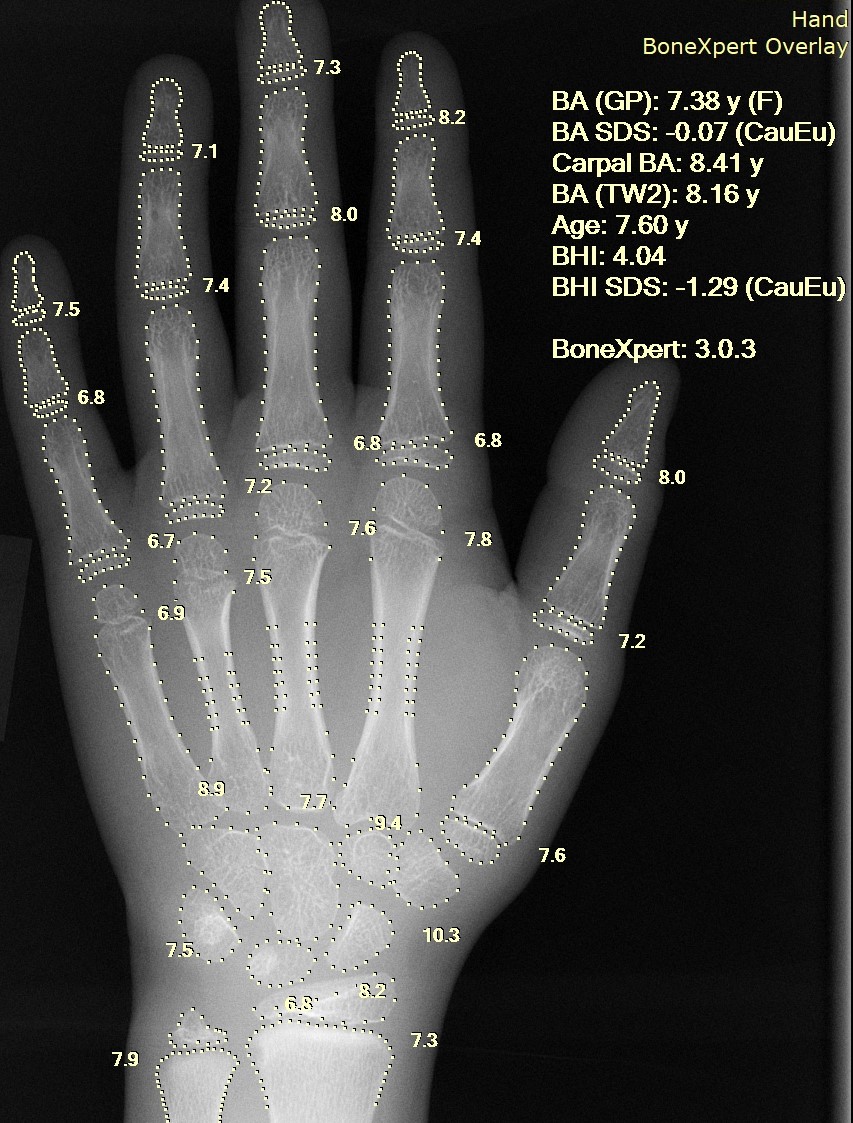
The application of AI in healthcare is vast and varied, with potential uses in medical imaging analysis, patient monitoring, and personalized medicine. For instance, AI-powered algorithms can be used to analyze magnetic resonance imaging (MRI) scans and computed tomography (CT) scans to detect abnormalities and diagnose diseases more accurately. Additionally, AI-driven chatbots, such as those developed by Stanford Medical School and Google Health, can help patients navigate the healthcare system and access relevant health information.
👥 Collaborations and Partnerships
Stanford Healthcare AI Applied Research collaborates with a range of partners, including Stanford University, Stanford Health Care, Google, and Microsoft. These partnerships enable the initiative to leverage the latest AI technologies, such as deep learning and natural language processing, to address pressing healthcare challenges. As Fei-Fei Li, director of the Stanford Artificial Intelligence Lab (SAIL), notes, 'Collaboration between academia, industry, and healthcare providers is essential for developing and implementing effective AI solutions in healthcare.'
🔬 Research Focus Areas
The research focus areas of Stanford Healthcare AI Applied Research include medical imaging analysis, clinical decision support, and personalized medicine. By developing and applying AI algorithms to these areas, the initiative aims to improve patient outcomes, reduce healthcare costs, and enhance the overall quality of care. For example, researchers are exploring the use of AI to analyze electronic health records (EHRs) and develop more accurate predictive models for patient outcomes. As John Ioannidis, a professor of medicine at Stanford, observes, 'The effective use of AI in healthcare requires a deep understanding of the underlying data and the clinical context in which it is applied.'
📈 Future Directions and Impact
As the field of healthcare AI continues to evolve, Stanford Healthcare AI Applied Research is poised to play a leading role in shaping its future. With its strong foundation in academic research, clinical expertise, and industry partnerships, the initiative is well-positioned to drive innovation and improvement in patient care. As noted by Lloyd Minor, dean of the Stanford University School of Medicine, 'The future of healthcare will be shaped by the effective integration of AI and other digital technologies, and Stanford is committed to leading this effort.'
Key Facts
- Year
- 2019
- Origin
- Stanford, California
- Category
- public-health
- Type
- research-initiative
Frequently Asked Questions
What is the primary focus of Stanford Healthcare AI Applied Research?
The primary focus of Stanford Healthcare AI Applied Research is to develop and apply AI solutions to improve patient outcomes, enhance clinical decision-making, and streamline healthcare operations. This includes research in medical imaging analysis, clinical decision support, and personalized medicine. As noted by Andrew Ng, 'The goal of AI in healthcare is to provide more accurate diagnoses, personalized treatment plans, and improved patient outcomes.'
How does Stanford Healthcare AI Applied Research collaborate with industry partners?
Stanford Healthcare AI Applied Research collaborates with industry partners, such as Google and Microsoft, to leverage the latest AI technologies and develop effective AI solutions for healthcare. These partnerships enable the initiative to access cutting-edge technologies, such as deep learning and natural language processing, and apply them to real-world healthcare challenges. As Fei-Fei Li notes, 'Collaboration between academia, industry, and healthcare providers is essential for developing and implementing effective AI solutions in healthcare.'
What are the potential benefits of AI in healthcare?
The potential benefits of AI in healthcare are numerous, including improved patient outcomes, enhanced clinical decision-making, and streamlined healthcare operations. AI can help analyze large amounts of medical data, identify patterns, and provide insights that can inform treatment decisions. Additionally, AI-powered chatbots can help patients navigate the healthcare system and access relevant health information. As John Ioannidis observes, 'The effective use of AI in healthcare requires a deep understanding of the underlying data and the clinical context in which it is applied.'
What are the ethical concerns surrounding AI in healthcare?
The ethical concerns surrounding AI in healthcare are significant, including issues related to data privacy, automation of jobs, and amplifying existing algorithmic biases. As AI becomes more integrated into healthcare, it is essential to address these concerns and ensure that AI solutions are developed and implemented in a responsible and transparent manner. As noted by Lloyd Minor, 'The future of healthcare will be shaped by the effective integration of AI and other digital technologies, and Stanford is committed to leading this effort.'
How can AI be used to improve patient outcomes?
AI can be used to improve patient outcomes in a variety of ways, including analyzing medical images, developing personalized treatment plans, and predicting patient outcomes. For example, AI-powered algorithms can be used to analyze magnetic resonance imaging (MRI) scans and computed tomography (CT) scans to detect abnormalities and diagnose diseases more accurately. Additionally, AI-driven chatbots can help patients navigate the healthcare system and access relevant health information. As Andrew Ng notes, 'AI has the potential to revolutionize healthcare by providing more accurate diagnoses, personalized treatment plans, and improved patient outcomes.'