
Contents
- 🍷 Introduction to Sommelier
- 🍴 The Role of a Sommelier in Fine Dining
- 📚 Education and Certification
- 🍇 Wine and Food Pairing
- 🎯 Career Path and Opportunities
- 👥 Sommeliers Australia and Industry Recognition
- 🍽️ Wine Service and Etiquette
- 📊 The Business of Wine
- 👨🍳 Chef de Cuisine and Sommelier Relationship
- 🌎 Global Wine Industry and Trends
- 🏆 Awards and Competitions
- 📚 Resources and Further Learning
- Frequently Asked Questions
- Related Topics
Overview
A sommelier is a highly trained wine professional who has mastered the art of wine and food pairing, with a deep understanding of wine production, regions, and styles. The profession has a rich history, dating back to 18th century France, where sommeliers were responsible for managing wine cellars and advising on wine selections. Today, sommeliers can be found in top restaurants, wine bars, and hotels, guiding patrons through extensive wine lists and creating unique wine experiences. With a vibe score of 8, the sommelier profession is highly regarded for its expertise and cultural significance. However, the role is not without controversy, with some arguing that the certification process is too rigorous and exclusive. As the wine industry continues to evolve, the sommelier profession is likely to play a key role in shaping the future of wine culture, with a growing focus on sustainability, diversity, and innovation. The influence of social media and online platforms is also expected to impact the profession, with sommeliers increasingly using digital channels to share their knowledge and connect with wine enthusiasts.
🍷 Introduction to Sommelier
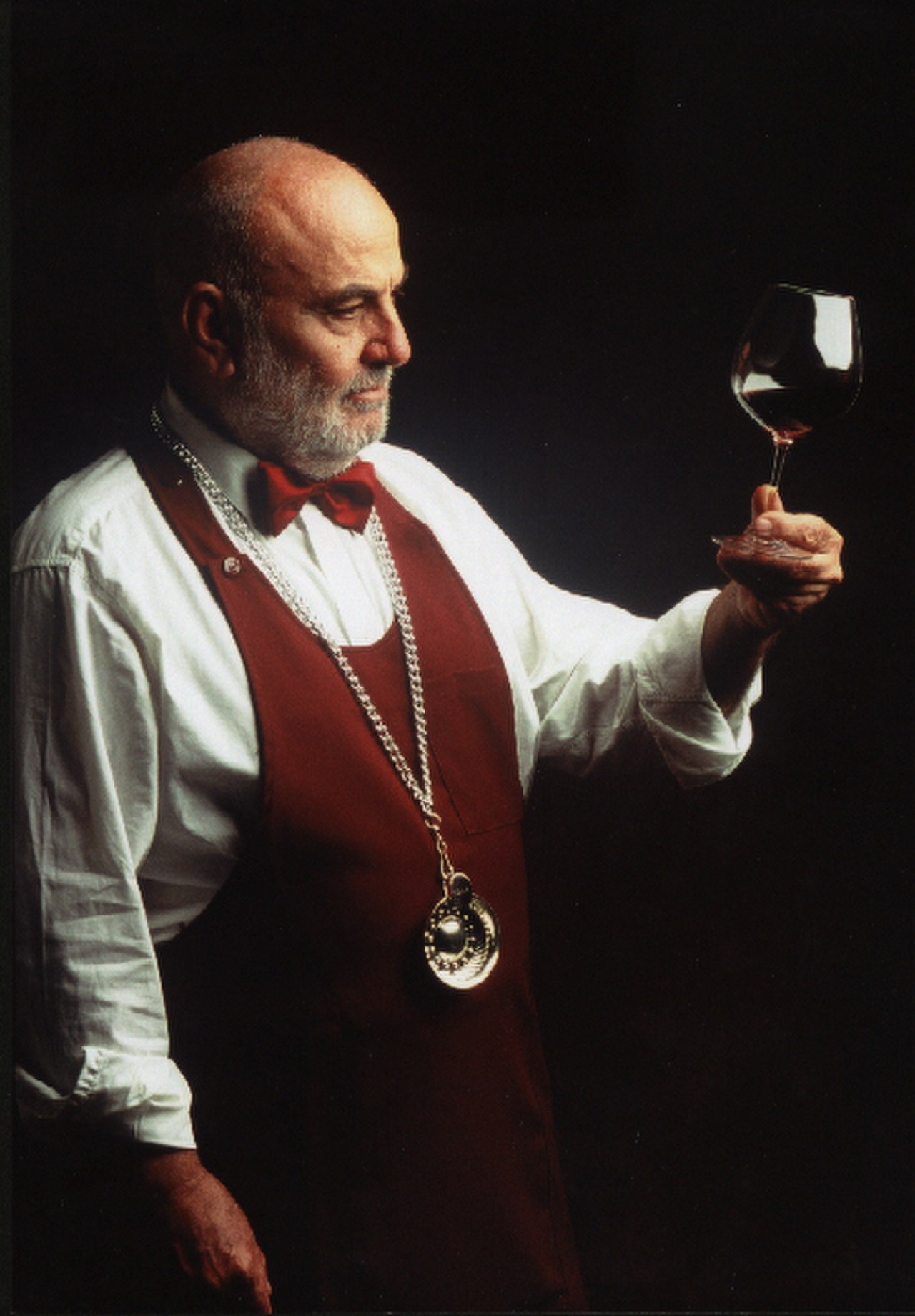
A sommelier, also known as a chef de vin or wine steward, is a highly trained and knowledgeable wine professional who plays a crucial role in fine dining restaurants. The sommelier is responsible for all aspects of wine service, including wine service, wine list management, and wine and food pairing. According to Sommeliers Australia, the role of the sommelier is strategically on par with that of the chef de cuisine. This highlights the importance of the sommelier in providing an exceptional dining experience for customers. The sommelier must have a deep understanding of wine appreciation and be able to communicate effectively with customers and other staff members. For example, a sommelier may need to explain the differences between old world wine and new world wine to a customer.
🍴 The Role of a Sommelier in Fine Dining
The role of the sommelier in fine dining today is much more specialized and informed than that of a wine waiter. A sommelier must have a thorough knowledge of wine regions, wine styles, and wine and food pairing techniques. They must also be able to manage a wine list and make recommendations to customers. In addition, a sommelier must be skilled in wine service and be able to provide exceptional customer service. The sommelier works closely with the chef de cuisine to create a harmonious and balanced dining experience. For instance, a sommelier may work with a chef to create a wine pairing menu that complements the restaurant's seasonal menu. This requires a deep understanding of flavor profiles and culinary techniques.
📚 Education and Certification
To become a sommelier, one must undergo extensive education and training. The Court of Master Sommeliers offers a certification program that is recognized worldwide. The program consists of four levels of certification, from introductory sommelier to master sommelier. A sommelier must also have a strong foundation in wine knowledge, including wine history, wine regions, and wine styles. They must also be skilled in wine service and wine and food pairing. Many sommeliers also pursue additional education and training in areas such as wine business and wine marketing. For example, a sommelier may take a course on wine finance to better understand the business side of the industry.
🍇 Wine and Food Pairing
Wine and food pairing is a critical aspect of a sommelier's role. A sommelier must be able to analyze the flavor profiles of different wines and foods and make recommendations for pairing. This requires a deep understanding of culinary techniques and flavor compatibility. A sommelier must also be knowledgeable about different cuisine styles and be able to make recommendations for pairing wine with a variety of dishes. For instance, a sommelier may recommend a pinot noir to pair with a grilled salmon dish. The sommelier must also be able to communicate effectively with customers and provide guidance on wine and food pairing. This may involve explaining the differences between tannins and acidity in wine and how they interact with different foods.
🎯 Career Path and Opportunities
A career as a sommelier can be highly rewarding, both personally and professionally. Sommeliers have the opportunity to work in fine dining restaurants and to interact with a variety of people, from wine producers to food critics. They must also be skilled in wine service and be able to provide exceptional customer service. The sommelier must be able to work well under pressure and be able to think on their feet. For example, a sommelier may need to handle a wine emergency, such as a corked bottle, and provide a solution to the customer. With experience and certification, a sommelier can advance to senior roles, such as wine director or beverage manager. They may also have opportunities to work in wine education or wine consulting.
👥 Sommeliers Australia and Industry Recognition
Sommeliers Australia is a professional organization that recognizes the importance of the sommelier's role in fine dining. The organization provides education and training programs for sommeliers, as well as certification and accreditation. Sommeliers Australia also promotes the profession of sommelier and provides a network for sommeliers to connect and share knowledge. The organization works closely with wine industry professionals, including wine producers and wine importers, to promote the interests of sommeliers and to advance the profession. For instance, Sommeliers Australia may host a wine event that brings together sommeliers and wine industry professionals to discuss the latest trends and issues in the industry.
🍽️ Wine Service and Etiquette
Wine service is a critical aspect of a sommelier's role. A sommelier must be skilled in wine service and be able to provide exceptional customer service. This includes wine pouring, wine glassware, and wine storage. The sommelier must also be knowledgeable about wine etiquette and be able to provide guidance to customers on wine service and etiquette. For example, a sommelier may explain the proper way to hold a wine glass and how to swirl and sniff a wine. The sommelier must also be able to handle wine emergencies, such as a corked bottle, and provide a solution to the customer.
📊 The Business of Wine
The business of wine is a complex and multifaceted industry. A sommelier must have a strong understanding of wine business and be able to manage a wine list and make purchasing decisions. They must also be knowledgeable about wine marketing and be able to promote the wine list to customers. The sommelier must also be skilled in wine inventory management and be able to manage the wine cellar. For instance, a sommelier may use a wine inventory software to track the restaurant's wine inventory and make informed purchasing decisions.
👨🍳 Chef de Cuisine and Sommelier Relationship
The relationship between the sommelier and the chef de cuisine is critical in fine dining. The sommelier and the chef de cuisine must work together to create a harmonious and balanced dining experience. The sommelier must be knowledgeable about the menu and be able to make recommendations for wine pairings. The chef de cuisine must also be knowledgeable about wine and food pairing and be able to work with the sommelier to create a cohesive and balanced menu. For example, a sommelier and a chef de cuisine may work together to create a wine pairing menu that complements the restaurant's seasonal menu.
🌎 Global Wine Industry and Trends
The global wine industry is a complex and dynamic industry. A sommelier must be knowledgeable about wine regions and wine styles from around the world. They must also be up-to-date on the latest trends and developments in the industry. The sommelier must be able to communicate effectively with wine producers and wine importers and be able to make informed purchasing decisions. For instance, a sommelier may attend a wine trade show to learn about new wines and trends in the industry.
🏆 Awards and Competitions
Awards and competitions are an important part of the wine industry. A sommelier may participate in wine competitions and be recognized for their expertise and knowledge. The sommelier may also be involved in wine judging and be able to provide feedback to wine producers on their wines. For example, a sommelier may participate in a wine competition and be awarded a wine award for their knowledge and expertise.
📚 Resources and Further Learning
There are many resources available for sommeliers to continue their education and training. The Court of Master Sommeliers offers a certification program that is recognized worldwide. There are also many wine books and wine articles available that provide information on wine knowledge and wine service. The sommelier must be committed to ongoing education and training to stay up-to-date on the latest trends and developments in the industry. For instance, a sommelier may take an online course on wine education to learn about new wines and trends in the industry.
Key Facts
- Year
- 1976
- Origin
- France
- Category
- Food and Beverage
- Type
- Profession
Frequently Asked Questions
What is a sommelier?
A sommelier is a trained and knowledgeable wine professional who specializes in all aspects of wine service, including wine and food pairing. They work in fine dining restaurants and are responsible for managing the wine list, making recommendations to customers, and providing exceptional customer service. A sommelier must have a deep understanding of wine appreciation and be able to communicate effectively with customers and other staff members. For example, a sommelier may need to explain the differences between old world wine and new world wine to a customer.
What is the role of a sommelier in fine dining?
The role of a sommelier in fine dining is to provide exceptional wine service and to make recommendations for wine pairings. The sommelier must be knowledgeable about wine regions, wine styles, and wine and food pairing techniques. They must also be skilled in wine service and be able to provide exceptional customer service. The sommelier works closely with the chef de cuisine to create a harmonious and balanced dining experience. For instance, a sommelier may work with a chef to create a wine pairing menu that complements the restaurant's seasonal menu.
How do I become a sommelier?
To become a sommelier, one must undergo extensive education and training. The Court of Master Sommeliers offers a certification program that is recognized worldwide. A sommelier must also have a strong foundation in wine knowledge, including wine history, wine regions, and wine styles. They must also be skilled in wine service and wine and food pairing. Many sommeliers also pursue additional education and training in areas such as wine business and wine marketing. For example, a sommelier may take a course on wine finance to better understand the business side of the industry.
What is the difference between a sommelier and a wine waiter?
A sommelier is a highly trained and knowledgeable wine professional who specializes in all aspects of wine service, including wine and food pairing. A wine waiter, on the other hand, is a server who may have some knowledge of wine but is not necessarily trained or certified as a sommelier. A sommelier has a much more specialized and informed role than a wine waiter and is responsible for managing the wine list, making recommendations to customers, and providing exceptional customer service. For instance, a sommelier may be responsible for creating a wine list and making recommendations to customers, while a wine waiter may simply be responsible for serving wine to customers.
What is the importance of wine and food pairing?
Wine and food pairing is a critical aspect of a sommelier's role. A sommelier must be able to analyze the flavor profiles of different wines and foods and make recommendations for pairing. This requires a deep understanding of culinary techniques and flavor compatibility. A sommelier must also be knowledgeable about different cuisine styles and be able to make recommendations for pairing wine with a variety of dishes. For example, a sommelier may recommend a pinot noir to pair with a grilled salmon dish. The sommelier must also be able to communicate effectively with customers and provide guidance on wine and food pairing.
What is the relationship between the sommelier and the chef de cuisine?
The relationship between the sommelier and the chef de cuisine is critical in fine dining. The sommelier and the chef de cuisine must work together to create a harmonious and balanced dining experience. The sommelier must be knowledgeable about the menu and be able to make recommendations for wine pairings. The chef de cuisine must also be knowledgeable about wine and food pairing and be able to work with the sommelier to create a cohesive and balanced menu. For instance, a sommelier and a chef de cuisine may work together to create a wine pairing menu that complements the restaurant's seasonal menu.
What is the importance of ongoing education and training for sommeliers?
Ongoing education and training are critical for sommeliers to stay up-to-date on the latest trends and developments in the industry. A sommelier must be committed to ongoing education and training to stay current on wine knowledge and wine service. The Court of Master Sommeliers offers a certification program that is recognized worldwide. There are also many wine books and wine articles available that provide information on wine knowledge and wine service. For example, a sommelier may take an online course on wine education to learn about new wines and trends in the industry.