
Contents
- 🌎 Introduction to Social Activism
- 👥 Forms of Activism
- 📢 Mandate Building and Community Organization
- 🏛️ Petitioning Elected Officials and Political Campaigns
- 🛍️ Preferential Patronage and Boycotts
- 🚫 Demonstrative Forms of Activism
- 🌈 Case Studies of Successful Activism
- 🤝 Challenges and Criticisms of Social Activism
- 🌐 Global Social Activism and International Cooperation
- 📊 Measuring the Impact of Social Activism
- 👋 Conclusion and Future Directions
- Frequently Asked Questions
- Related Topics
Overview
Social activists have been the driving force behind many significant social movements throughout history, from the Civil Rights Movement led by figures like Martin Luther King Jr. to the feminist movement championed by women like Gloria Steinem. These individuals, often fueled by a strong sense of justice and a desire to challenge the status quo, have worked tirelessly to bring about change and improve the lives of marginalized communities. With the rise of social media, social activism has become more accessible and widespread, allowing for the mobilization of large groups of people around causes such as climate change, racial equality, and LGBTQ+ rights. However, social activists often face significant challenges, including backlash from those who oppose their views, difficulty in creating lasting change, and the risk of burnout. Despite these challenges, many social activists remain committed to their causes, using innovative tactics and strategies to raise awareness and push for policy changes. As the world continues to grapple with complex social issues, the role of social activists in shaping public discourse and advocating for justice will only continue to grow in importance, with influential figures like Greta Thunberg and Colin Kaepernick inspiring a new generation of activists.
👥 Forms of Activism
Forms of activism are diverse and varied, reflecting the creativity and determination of social activists. Environmental activism, for example, has led to the development of new forms of activism such as eco-activism and climate justice movements. Other forms of activism include labor activism, disability rights activism, and lgbtq rights activism. Each of these forms of activism has its own unique history, strategies, and challenges, but all share a common goal of promoting social justice and human rights. Human rights are a fundamental aspect of social activism, and activists often work to promote and protect the rights of marginalized and oppressed groups.
📢 Mandate Building and Community Organization
Mandate building and community organization are critical components of social activism. Community organizing involves working with local communities to identify and address social problems, and to build support for social justice causes. This can involve grassroots fundraising, volunteer management, and coalition building. Social activists also use social media to build and mobilize support for their causes, and to raise awareness about social justice issues. Black Lives Matter, for example, has used social media to build a national movement and to mobilize support for racial justice. racial justice is a critical aspect of social activism, and activists often work to address issues such as police brutality and systemic racism.
🏛️ Petitioning Elected Officials and Political Campaigns
Petitioning elected officials and participating in political campaigns are also important forms of social activism. Voting rights are a fundamental aspect of democracy, and social activists often work to promote and protect the right to vote. This can involve voter registration drives, get out the vote campaigns, and election protection efforts. Social activists also use lobbying and advocacy to influence policy and to promote social justice. NAACP, for example, has used lobbying and advocacy to promote civil rights and social justice. Civil rights are a critical aspect of social activism, and activists often work to address issues such as discrimination and inequality.
🛍️ Preferential Patronage and Boycotts
Preferential patronage and boycotts are economic forms of social activism. Boycotts involve refusing to buy or support products or services from companies that are seen as unethical or unjust. Divestment is another form of economic activism, which involves withdrawing investments from companies or industries that are seen as unethical or unjust. Social activists also use buycotts to promote and support companies that are seen as ethical and just. Fair trade and sustainable consumption are also important aspects of economic activism, and activists often work to promote and support companies that prioritize social and environmental responsibility. Corporate social responsibility is a critical aspect of economic activism, and activists often work to hold companies accountable for their social and environmental impact.
🚫 Demonstrative Forms of Activism
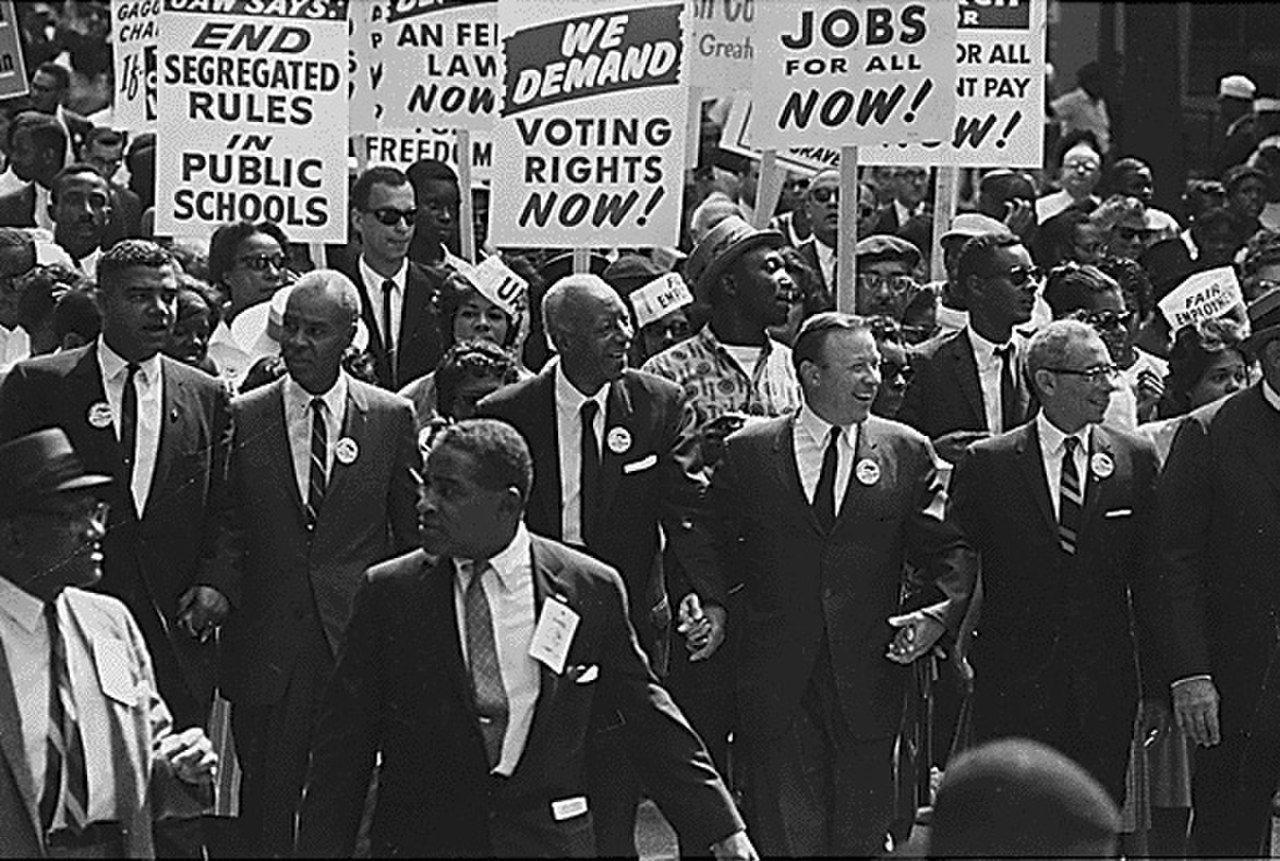
Demonstrative forms of activism, such as rallies, street marches, strikes, sit-ins, and hunger strikes, are powerful ways to draw attention to social justice causes. Protest is a fundamental right in democratic societies, and social activists often use protest to express their opinions and to mobilize support for their causes. Occupy Wall Street, for example, used protest and occupation to draw attention to issues of economic inequality and social justice. Economic inequality is a critical aspect of social activism, and activists often work to address issues such as poverty and income inequality.
🌈 Case Studies of Successful Activism
Case studies of successful activism demonstrate the power and effectiveness of social activism. The Civil Rights Movement, for example, used a range of tactics, including nonviolent resistance and civil disobedience, to achieve significant social and political change. The Women's Suffrage Movement also used social activism to achieve the right to vote for women. Suffrage is a critical aspect of social activism, and activists often work to promote and protect the right to vote. Democracy is also a critical aspect of social activism, and activists often work to promote and protect democratic institutions and processes.
👋 Conclusion and Future Directions
In conclusion, social activism is a powerful force for change, driven by individuals and groups who seek to promote social justice and challenge unjust systems. Social activists use a range of tactics, from mandate building and community organization to demonstrative forms of activism, to achieve their goals. As social activism continues to evolve and grow, it is likely to play an increasingly important role in shaping the course of human history. Future of social activism is a critical aspect of social activism, and activists often work to promote and support social justice causes that have a positive impact on communities and society.
Key Facts
- Year
- 2020
- Origin
- Global
- Category
- Social Justice
- Type
- Person
Frequently Asked Questions
What is social activism?
Social activism is a powerful force for change, driven by individuals and groups who seek to promote social justice and challenge unjust systems. Social activists use a range of tactics, from mandate building and community organization to demonstrative forms of activism, to achieve their goals. Social activism can take many forms, including grassroots organizing, lobbying, and protest.
What are some examples of successful social activism?
The Civil Rights Movement and the Women's Suffrage Movement are two examples of successful social activism. These movements used a range of tactics, including nonviolent resistance and civil disobedience, to achieve significant social and political change. Other examples of successful social activism include the Anti-Apartheid Movement and the LGBTQ Rights Movement.
What are some challenges facing social activism?
Social activism faces a range of challenges, including criticisms of social activism and funding challenges. Social activists must also navigate complex issues such as intersectionality and privilege, and must work to build inclusive and diverse movements. Additionally, social activism often involves conflict and violence, and social activists must be prepared to face these challenges in their work.
How can I get involved in social activism?
There are many ways to get involved in social activism, including volunteering with a social justice organization, donating to a social justice cause, and participating in protest. You can also use social media to raise awareness about social justice issues and to mobilize support for social justice causes. Additionally, you can consider starting your own social justice organization or joining a social justice movement.
What is the impact of social activism?
The impact of social activism can be significant, leading to social change and policy change. Social activism can also have a positive impact on community development and social welfare. However, social activism can also face challenges and criticisms, and social activists must be prepared to address these challenges in their work. Ultimately, the impact of social activism depends on the specific goals and strategies of the social justice movement, as well as the level of support and engagement from the broader community.
How can social activism be measured and evaluated?
Measuring and evaluating social activism can be a complex and challenging task. Evaluation of social activism often involves assessing the effectiveness of social activism in achieving its goals, and must take into account a range of factors, including social change and policy change. Social activists must also work to build and maintain relationships with community partners and funders, and must be able to demonstrate the impact and effectiveness of their work.
What is the future of social activism?
The future of social activism is likely to be shaped by a range of factors, including technological change and demographic change. Social activism will likely continue to evolve and adapt to new challenges and opportunities, and will likely involve the use of new technologies and strategies. Additionally, social activism will likely continue to play an important role in shaping the course of human history, and will likely be a critical factor in promoting social justice and human rights.