
Contents
- 🎵 Origins & History
- ⚙️ How It Works
- 📊 Key Facts & Numbers
- 👥 Key People & Organizations
- 🌍 Cultural Impact & Influence
- ⚡ Current State & Latest Developments
- 🤔 Controversies & Debates
- 🔮 Future Outlook & Predictions
- 💡 Practical Applications
- 📚 Related Topics & Deeper Reading
- Frequently Asked Questions
- References
- Related Topics
Overview
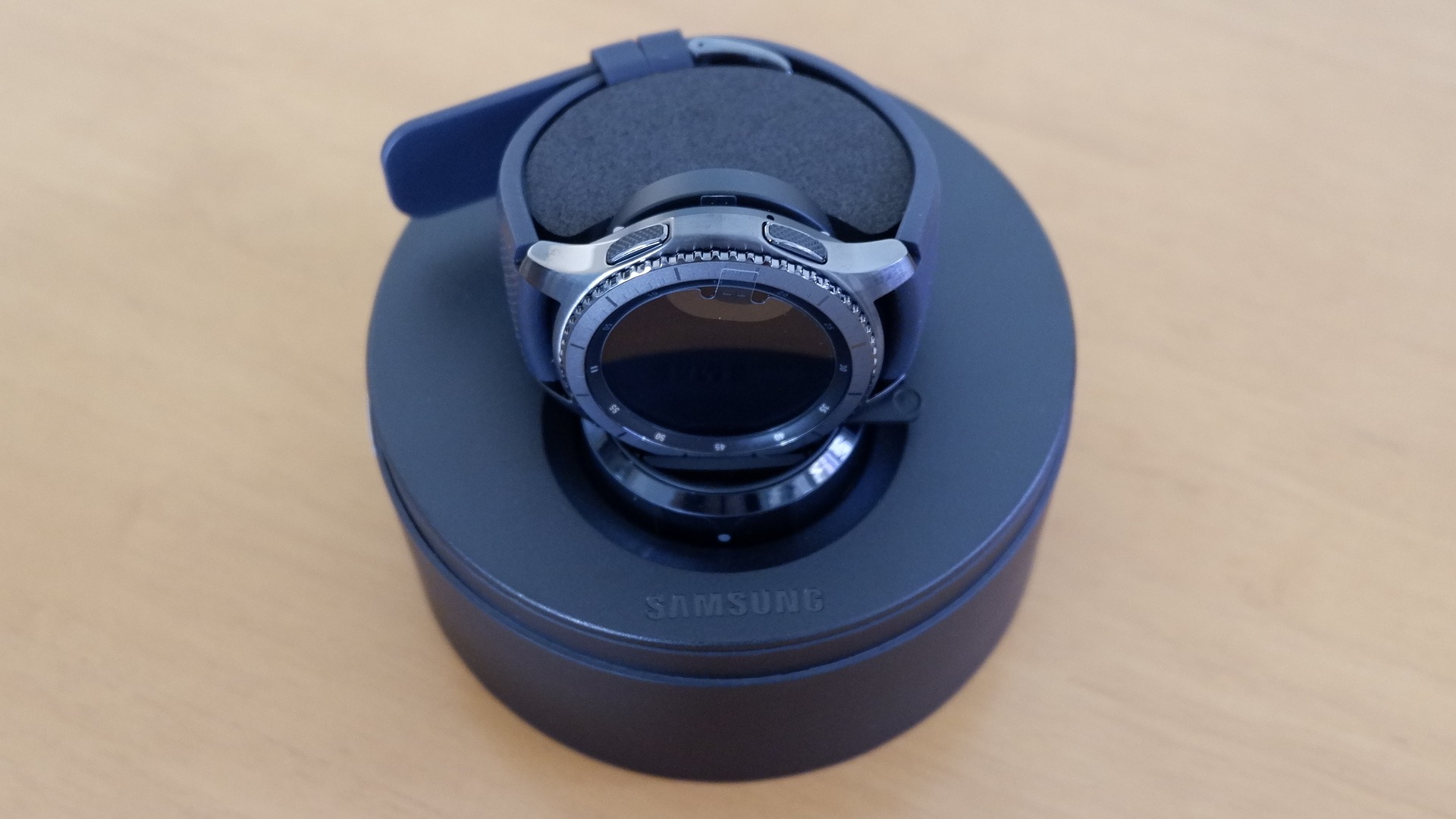
A smartwatch is a portable, wearable computer that resembles a traditional wristwatch, offering a range of features from basic timekeeping to advanced health monitoring, mobile connectivity, and app support. With the ability to track fitness metrics, receive notifications, and control music playback, smartwatches have become an essential accessory for many. The first smartwatch, the Seiko Receiver, was released in 1998, but it wasn't until the launch of the Apple Watch in 2015 that the market began to gain significant traction. Today, smartwatches are available from a variety of manufacturers, including Samsung, Fitbit, and Garmin, with prices ranging from under $100 to over $1,000. According to a report by IDC, the global smartwatch market shipped over 100 million units in 2020, with an estimated growth rate of 10% per year. As the technology continues to evolve, we can expect to see even more advanced features, such as integrated ECG monitoring and blood oxygen level tracking, becoming standard in future models.
🎵 Origins & History
The concept of a smartwatch dates back to the 1970s, when the first digital watches were introduced. However, it wasn't until the 1990s that the first smartwatches began to emerge, with the Seiko Receiver being one of the first examples. In the early 2000s, companies like Microsoft and IBM began to develop their own smartwatch platforms, but it wasn't until the launch of the Apple Watch in 2015 that the market began to gain significant traction. Today, smartwatches are available from a variety of manufacturers, including Samsung, Fitbit, and Garmin.
⚙️ How It Works
Smartwatches typically consist of a touchscreen display, a rechargeable battery, and a range of sensors, including GPS, accelerometers, and heart rate monitors. They often rely on mobile apps that run on a connected device, such as a smartphone, in order to provide core functions. Many smartwatches also offer additional features, such as Bluetooth and Wi-Fi connectivity, allowing users to receive notifications, control music playback, and access a range of third-party apps. For example, the Apple Watch offers integration with Spotify, allowing users to stream music directly to their watch.
📊 Key Facts & Numbers
The smartwatch market has experienced significant growth in recent years, with shipments increasing from 12 million units in 2014 to over 100 million units in 2020, according to a report by IDC. The average price of a smartwatch is around $200, although prices can range from under $100 to over $1,000. Some of the key players in the smartwatch market include Apple, Samsung, Fitbit, and Garmin. In terms of market share, Apple dominates the market, with a share of over 50%, followed by Samsung and Fitbit.
👥 Key People & Organizations
Some of the key people and organizations involved in the development of smartwatches include Steve Jobs, who played a significant role in the development of the Apple Watch, and Tony Fadell, who led the team that developed the iPod and iPhone. Other notable companies in the smartwatch space include Google, which has developed its own smartwatch platform, Wear OS, and Amazon, which offers a range of smartwatches through its Alexa platform. For example, the Fitbit Ionic smartwatch offers integration with Alexa, allowing users to control their smart home devices directly from their watch.
🌍 Cultural Impact & Influence
Smartwatches have had a significant cultural impact, with many people using them as a fashion accessory as well as a functional device. They have also been adopted by a range of industries, including healthcare, fitness, and finance, where they are used to track vital signs, monitor physical activity, and make payments. For example, the Apple Watch has been used in a number of clinical trials, including a study on atrial fibrillation detection, which found that the watch was able to detect irregular heart rhythms with high accuracy.
⚡ Current State & Latest Developments
The current state of the smartwatch market is one of rapid innovation and growth, with new features and technologies being introduced all the time. Some of the latest developments include the integration of ECG monitoring and blood oxygen level tracking, as well as the use of artificial intelligence and machine learning to analyze user data and provide personalized insights. For example, the Apple Watch Series 7 offers a built-in ECG app, which allows users to take an electrocardiogram reading directly from their wrist.
🤔 Controversies & Debates
There are several controversies and debates surrounding smartwatches, including concerns over privacy and security, as well as the potential for addiction and distraction. Some critics have also argued that smartwatches are a luxury item, and that their high cost and limited functionality make them inaccessible to many people. For example, a study by Pew Research Center found that only 12% of adults in the United States own a smartwatch, highlighting the need for more affordable and accessible options.
🔮 Future Outlook & Predictions
Looking to the future, it is likely that smartwatches will continue to evolve and improve, with new features and technologies being introduced all the time. Some potential developments include the integration of augmented reality and virtual reality capabilities, as well as the use of blockchain and cryptocurrency to enable secure and decentralized data storage and transactions. For example, the Google Pixel Watch is rumored to offer integration with Google Lens, which would allow users to access information about their surroundings directly from their watch.
💡 Practical Applications
Smartwatches have a range of practical applications, from fitness and health tracking to mobile payments and navigation. They are also being used in a variety of industries, including healthcare, finance, and education, where they are being used to track vital signs, monitor physical activity, and provide personalized feedback and insights. For example, the Fitbit Charge smartwatch offers integration with MyFitnessPal, allowing users to track their daily food intake and monitor their progress towards their fitness goals.
Key Facts
- Year
- 2015
- Origin
- United States
- Category
- fitness
- Type
- product
Frequently Asked Questions
What is a smartwatch?
A smartwatch is a portable, wearable computer that resembles a traditional wristwatch, offering a range of features from basic timekeeping to advanced health monitoring, mobile connectivity, and app support.
What are some of the key features of a smartwatch?
Some of the key features of a smartwatch include a touchscreen display, a rechargeable battery, and a range of sensors, including GPS, accelerometers, and heart rate monitors.
What are some of the practical applications of a smartwatch?
Smartwatches have a range of practical applications, from fitness and health tracking to mobile payments and navigation. They are also being used in a variety of industries, including healthcare, finance, and education.
What are some of the controversies and debates surrounding smartwatches?
There are several controversies and debates surrounding smartwatches, including concerns over privacy and security, as well as the potential for addiction and distraction.
What is the future of smartwatches?
Looking to the future, it is likely that smartwatches will continue to evolve and improve, with new features and technologies being introduced all the time. Some potential developments include the integration of augmented reality and virtual reality capabilities, as well as the use of blockchain and cryptocurrency to enable secure and decentralized data storage and transactions.
How do smartwatches impact our daily lives?
Smartwatches can have a significant impact on our daily lives, from helping us stay connected and organized to tracking our fitness and health metrics. They can also provide a range of convenience features, such as mobile payments and navigation.
What are some of the benefits of using a smartwatch?
Some of the benefits of using a smartwatch include improved fitness and health tracking, increased convenience and organization, and enhanced safety and security features.
How do smartwatches compare to traditional watches?
Smartwatches offer a range of features and functions that traditional watches do not, including mobile connectivity, app support, and advanced health monitoring. However, traditional watches can still offer a range of benefits, including style and simplicity.