
Contents
- 🔌 Introduction to Smart Grids
- 💡 The Evolution of Energy Distribution
- 📈 Infrastructure System of Smart Grids
- 🔒 Management System of Smart Grids
- 🛡️ Protection System of Smart Grids
- 💻 Electronic Power Conditioning and Control
- 📊 Benefits of Smart Grids
- 🌎 Global Adoption and Future Directions
- 🤝 Challenges and Controversies
- 📈 Economic and Environmental Impact
- 🔍 Conclusion and Future Outlook
- Frequently Asked Questions
- Related Topics
Overview
Smart grids represent a significant shift in how energy is generated, distributed, and consumed. By integrating advanced technologies such as IoT sensors, AI, and data analytics, smart grids aim to create a more efficient, sustainable, and resilient energy system. According to the International Energy Agency (IEA), smart grids could reduce global carbon emissions by up to 12% by 2050. However, the implementation of smart grids also raises concerns about data privacy, cybersecurity, and the potential for increased dependence on technology. As of 2022, countries like the United States, China, and Germany have invested heavily in smart grid infrastructure, with companies like Siemens, GE, and Schneider Electric leading the charge. With a projected global investment of over $1.5 trillion by 2025, the smart grid market is poised for significant growth, but it must address the challenges of interoperability, standardization, and public acceptance to realize its full potential.
🔌 Introduction to Smart Grids
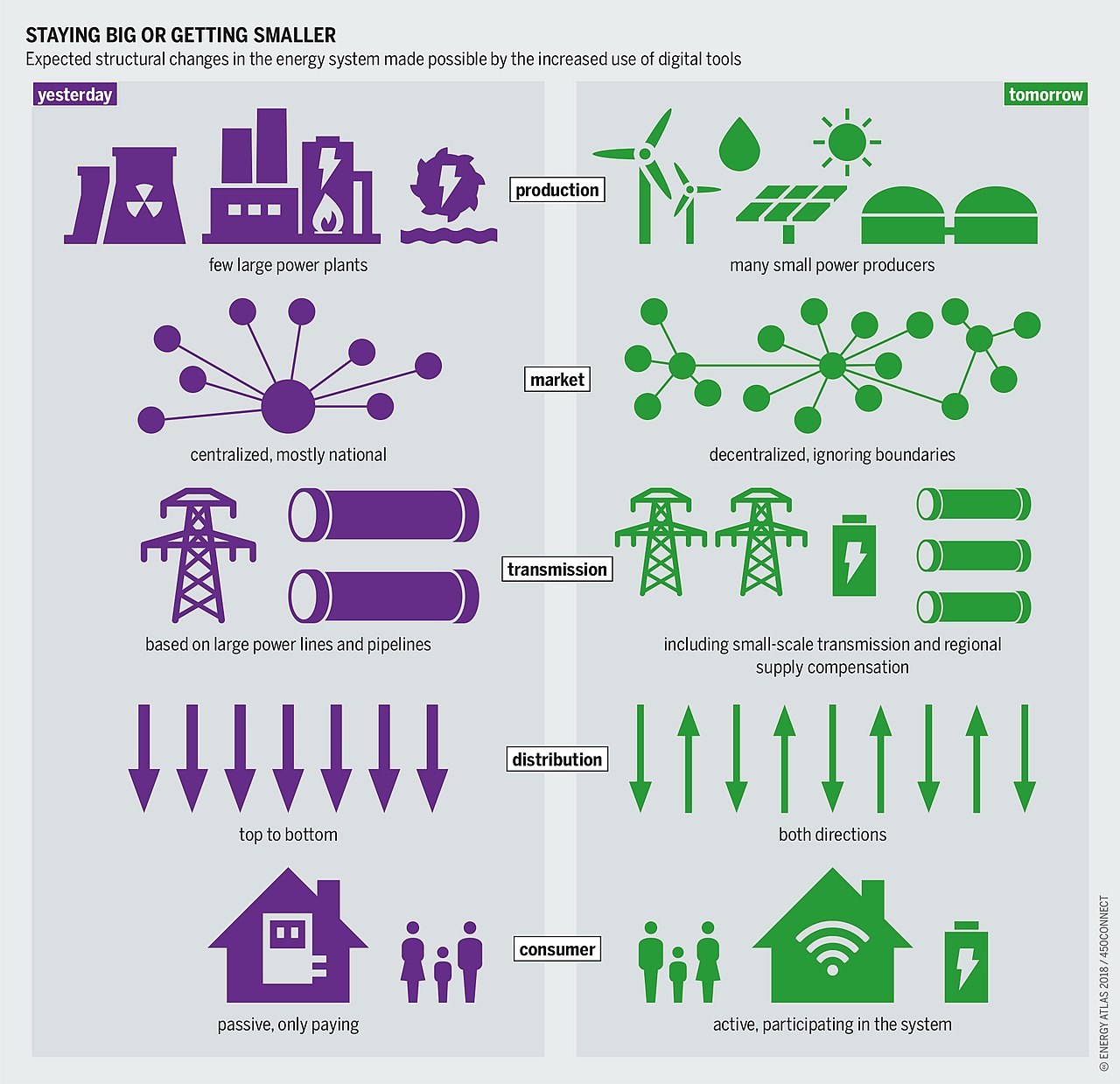
The concept of smart grids has been gaining momentum in recent years, with the aim of revolutionizing the way energy is distributed and consumed. At its core, a smart grid is an enhancement of the traditional 20th-century electrical grid, utilizing two-way communications and distributed intelligent devices to improve the delivery network. This allows for two-way flows of electricity and information, enabling real-time monitoring and control of the grid. The smart grid is comprised of three primary systems: the infrastructure system, the management system, and the protection system. Research is mainly focused on these systems, with a particular emphasis on electronic power conditioning and control of the production and distribution of electricity.
💡 The Evolution of Energy Distribution
The history of energy distribution has been marked by significant advancements, from the early days of fossil fuel-based power plants to the modern era of renewable energy sources. The traditional grid, however, has several limitations, including inefficient energy distribution and a lack of real-time monitoring capabilities. The smart grid, on the other hand, offers a more efficient, reliable, and sustainable solution, with the potential to integrate distributed energy resources and energy storage systems. The smart grid architecture is designed to support the integration of these new technologies, enabling a more resilient energy system.
📈 Infrastructure System of Smart Grids
The infrastructure system of a smart grid refers to the physical components that make up the grid, including power transmission lines, power distribution lines, and substations. This system is responsible for the transmission and distribution of electricity from the power plant to the consumer. The infrastructure system must be designed to support the integration of renewable energy sources and energy storage systems, while also ensuring the reliability and efficiency of the grid. The infrastructure system design must take into account factors such as grid stability, power quality, and cybersecurity.
🔒 Management System of Smart Grids
The management system of a smart grid is responsible for the monitoring and control of the grid, including the management of energy distribution, energy consumption, and energy storage. This system utilizes advanced technologies such as artificial intelligence, machine learning, and internet of things to optimize the performance of the grid. The management system must be able to predict energy demand and optimize energy distribution in real-time, while also ensuring the security and privacy of consumer data. The management system design must take into account factors such as scalability, flexibility, and interoperability.
🛡️ Protection System of Smart Grids
The protection system of a smart grid is designed to prevent or mitigate the effects of power outages, cyber attacks, and other grid disruptions. This system utilizes advanced technologies such as real-time monitoring and predictive analytics to detect and respond to potential threats. The protection system must be able to detect anomalies and respond to threats in real-time, while also ensuring the reliability and efficiency of the grid. The protection system design must take into account factors such as grid resilience, cybersecurity, and physical security.
💻 Electronic Power Conditioning and Control
Electronic power conditioning and control are critical components of a smart grid, enabling the efficient and reliable transmission and distribution of electricity. This involves the use of advanced technologies such as power electronics and control systems to regulate the flow of electricity. The electronic power conditioning system must be designed to support the integration of renewable energy sources and energy storage systems, while also ensuring the power quality and reliability of the grid. The electronic power conditioning design must take into account factors such as efficiency, flexibility, and scalability.
📊 Benefits of Smart Grids
The benefits of smart grids are numerous, including improved efficiency, enhanced reliability, and increased sustainability. Smart grids can also support the integration of distributed energy resources and energy storage systems, enabling a more resilient energy system. The smart grid benefits can be realized through the use of advanced technologies such as artificial intelligence, machine learning, and internet of things. The smart grid deployment must be carefully planned and executed to ensure the successful integration of these new technologies.
🌎 Global Adoption and Future Directions
The global adoption of smart grids is gaining momentum, with many countries investing heavily in the development and deployment of smart grid technologies. The global smart grid market is expected to grow significantly in the coming years, driven by the increasing demand for renewable energy and energy efficiency. The smart grid deployment must be carefully planned and executed to ensure the successful integration of these new technologies. The future of smart grids will be shaped by the development of new technologies and the increasing demand for sustainable energy.
🤝 Challenges and Controversies
Despite the many benefits of smart grids, there are also several challenges and controversies surrounding their deployment. One of the main challenges is the high initial investment required to deploy smart grid technologies. The smart grid deployment must be carefully planned and executed to ensure the successful integration of these new technologies. The cybersecurity risks associated with smart grids are also a major concern, as the increased use of internet of things devices and artificial intelligence can create new vulnerabilities. The smart grid security must be carefully designed and implemented to ensure the reliability and efficiency of the grid.
📈 Economic and Environmental Impact
The economic and environmental impact of smart grids is significant, with the potential to reduce greenhouse gas emissions and improve energy efficiency. The smart grid economic benefits can be realized through the use of advanced technologies such as artificial intelligence, machine learning, and internet of things. The smart grid environmental benefits can be realized through the integration of renewable energy sources and energy storage systems. The smart grid deployment must be carefully planned and executed to ensure the successful integration of these new technologies.
🔍 Conclusion and Future Outlook
In conclusion, smart grids represent a significant advancement in the field of energy distribution, offering a more efficient, reliable, and sustainable solution. The future of smart grids will be shaped by the development of new technologies and the increasing demand for sustainable energy. As the world continues to transition towards a more sustainable energy system, the importance of smart grids will only continue to grow. The smart grid deployment must be carefully planned and executed to ensure the successful integration of these new technologies.
Key Facts
- Year
- 2022
- Origin
- Global
- Category
- Energy and Technology
- Type
- Technology
Frequently Asked Questions
What is a smart grid?
A smart grid is an enhancement of the traditional electrical grid, utilizing two-way communications and distributed intelligent devices to improve the delivery network. The smart grid is comprised of three primary systems: the infrastructure system, the management system, and the protection system. The smart grid offers a more efficient, reliable, and sustainable solution, with the potential to integrate distributed energy resources and energy storage systems.
What are the benefits of smart grids?
The benefits of smart grids are numerous, including improved efficiency, enhanced reliability, and increased sustainability. Smart grids can also support the integration of distributed energy resources and energy storage systems, enabling a more resilient energy system. The smart grid benefits can be realized through the use of advanced technologies such as artificial intelligence, machine learning, and internet of things.
What are the challenges and controversies surrounding smart grid deployment?
Despite the many benefits of smart grids, there are also several challenges and controversies surrounding their deployment. One of the main challenges is the high initial investment required to deploy smart grid technologies. The cybersecurity risks associated with smart grids are also a major concern, as the increased use of internet of things devices and artificial intelligence can create new vulnerabilities.
What is the future of smart grids?
The future of smart grids will be shaped by the development of new technologies and the increasing demand for sustainable energy. As the world continues to transition towards a more sustainable energy system, the importance of smart grids will only continue to grow. The smart grid deployment must be carefully planned and executed to ensure the successful integration of these new technologies.
How do smart grids support the integration of renewable energy sources?
Smart grids can support the integration of renewable energy sources by providing a more efficient and reliable way to transmit and distribute electricity. The smart grid can also provide real-time monitoring and control of the grid, enabling the optimization of energy distribution and consumption. The integration of renewable energy sources can be realized through the use of advanced technologies such as power electronics and control systems.