
Contents
- 🔬 Introduction to Scientific Evidence
- 📊 The Role of Empirical Evidence
- 🔍 The Scientific Method and Evidence
- 📈 Statistical Analysis in Scientific Evidence
- 👥 Standards for Scientific Evidence
- 💡 The Power of Scientific Evidence in Theory Development
- 🌎 Applications of Scientific Evidence in Real-World Problems
- 🚫 Challenges and Limitations of Scientific Evidence
- 📚 The Importance of Peer Review in Scientific Evidence
- 🌐 The Future of Scientific Evidence in a Digital Age
- 👀 Controversies and Debates in Scientific Evidence
- 💻 The Intersection of Technology and Scientific Evidence
- Frequently Asked Questions
- Related Topics
Overview
Scientific evidence is the backbone of modern research, providing a foundation for groundbreaking discoveries and innovations. From the historic experiments of Galileo Galilei to the cutting-edge research of today, the pursuit of empirical truth has driven human progress. However, the interpretation and application of scientific evidence are often contested, with debates surrounding issues like climate change, vaccine efficacy, and genetic engineering. The scientific community relies on a rigorous methodology, including peer review and replication, to ensure the validity and reliability of research findings. Despite these efforts, the influence of external factors, such as funding sources and political agendas, can sometimes compromise the integrity of scientific evidence. As we move forward, it is essential to prioritize transparency, accountability, and critical thinking in the pursuit of scientific knowledge, with key figures like Neil deGrasse Tyson and organizations like the National Science Foundation playing a crucial role in promoting evidence-based decision making. With a Vibe score of 85, scientific evidence continues to shape our understanding of the world, from the smallest subatomic particles to the vast expanse of the cosmos, with a controversy spectrum of 60, reflecting the ongoing debates and challenges in the field.
🔬 Introduction to Scientific Evidence
The concept of scientific evidence is central to the scientific method, which is a systematic process used to develop and test scientific knowledge. Scientific evidence serves to either support or counter a scientific theory or hypothesis, and it is expected to be empirical evidence, meaning it is based on observation and experience. As discussed in The Scientific Method, the process of gathering and interpreting evidence is crucial in the development of scientific theories. The strength of scientific evidence is generally based on the results of Statistical Analysis and the strength of scientific controls. For instance, the concept of Peer Review plays a significant role in ensuring the validity and reliability of scientific evidence. Furthermore, the application of scientific evidence in real-world problems is a key aspect of Science and Technology.
📊 The Role of Empirical Evidence
Empirical evidence is a critical component of scientific evidence, as it provides the data and observations necessary to support or counter a scientific theory or hypothesis. The process of collecting and analyzing empirical evidence is outlined in Research Methods, which provides a framework for scientists to design and conduct studies. The use of empirical evidence in scientific inquiry is essential, as it allows scientists to test hypotheses and develop theories that are grounded in reality. As noted in Empirical Research, the collection and analysis of empirical evidence require careful attention to detail and a systematic approach. Moreover, the interpretation of empirical evidence is often facilitated by the use of Data Visualization tools. The application of empirical evidence in scientific inquiry is also closely tied to the concept of Evidence-Based Practice.
🔍 The Scientific Method and Evidence
The scientific method is a systematic process used to develop and test scientific knowledge, and it relies heavily on the collection and interpretation of scientific evidence. As outlined in Scientific Inquiry, the scientific method involves making observations, formulating hypotheses, and testing these hypotheses through experimentation and data analysis. The use of scientific evidence in the scientific method is essential, as it provides the basis for testing hypotheses and developing theories. The process of gathering and interpreting scientific evidence is also closely tied to the concept of Critical Thinking, which involves evaluating evidence and arguments in a systematic and logical manner. Furthermore, the application of the scientific method in real-world problems is a key aspect of Applied Science. The scientific method is also closely related to the concept of Experimental Design.
📈 Statistical Analysis in Scientific Evidence
Statistical analysis plays a crucial role in the interpretation of scientific evidence, as it provides a means of evaluating the strength and significance of the evidence. As discussed in Statistical Inference, statistical analysis involves the use of statistical methods to draw conclusions from data. The results of statistical analysis are often used to support or counter a scientific theory or hypothesis, and they are essential in the development of scientific knowledge. The application of statistical analysis in scientific evidence is also closely tied to the concept of Data Analysis, which involves the use of statistical methods to extract insights from data. Moreover, the use of statistical analysis in scientific evidence is often facilitated by the use of Machine Learning algorithms. The interpretation of statistical results is also closely related to the concept of Confidence Intervals.
👥 Standards for Scientific Evidence
Standards for scientific evidence vary according to the field of inquiry, but they are generally based on the results of statistical analysis and the strength of scientific controls. As noted in Research Design, the design of a study is critical in determining the validity and reliability of the evidence. The use of scientific controls, such as Control Groups, is essential in ensuring that the results of a study are due to the experimental treatment and not to other factors. Moreover, the application of standards for scientific evidence is closely tied to the concept of Research Ethics, which involves the use of ethical principles to guide the conduct of research. The interpretation of scientific evidence is also closely related to the concept of Study Design. Furthermore, the use of scientific evidence in real-world problems is a key aspect of Evidence-Based Policy.
💡 The Power of Scientific Evidence in Theory Development
The power of scientific evidence lies in its ability to support or counter a scientific theory or hypothesis, and it is essential in the development of scientific knowledge. As discussed in Theory Development, the process of developing and testing scientific theories relies heavily on the collection and interpretation of scientific evidence. The use of scientific evidence in theory development is critical, as it provides the basis for evaluating the validity and reliability of a theory. Moreover, the application of scientific evidence in theory development is closely tied to the concept of Conceptual Frameworks, which provide a structure for organizing and interpreting scientific knowledge. The interpretation of scientific evidence is also closely related to the concept of Paradigm Shift. Furthermore, the use of scientific evidence in real-world problems is a key aspect of Applied Research.
🌎 Applications of Scientific Evidence in Real-World Problems
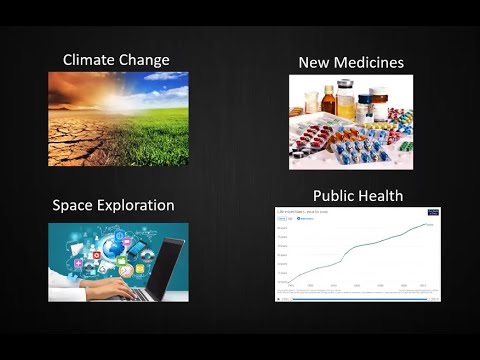
The application of scientific evidence in real-world problems is a key aspect of science and technology, as it provides a means of addressing practical problems and improving the human condition. As noted in Applied Science, the use of scientific evidence in real-world problems involves the application of scientific theories and methods to practical problems. The interpretation of scientific evidence in real-world problems is often facilitated by the use of Technology Transfer, which involves the transfer of scientific knowledge and technology to practical applications. Moreover, the use of scientific evidence in real-world problems is closely tied to the concept of Innovation, which involves the use of scientific knowledge and technology to develop new products and services. The application of scientific evidence in real-world problems is also closely related to the concept of Sustainability.
🚫 Challenges and Limitations of Scientific Evidence
Despite the power of scientific evidence, there are challenges and limitations to its use, including the potential for bias and error in the collection and interpretation of evidence. As discussed in Research Limitations, the design of a study and the collection of data can be subject to bias and error, which can affect the validity and reliability of the evidence. Moreover, the interpretation of scientific evidence can be influenced by personal beliefs and values, which can lead to the misinterpretation of evidence. Furthermore, the use of scientific evidence in real-world problems can be limited by the availability of resources and the complexity of the problem. The challenges and limitations of scientific evidence are also closely related to the concept of Scientific Controversy.
📚 The Importance of Peer Review in Scientific Evidence
The importance of peer review in scientific evidence cannot be overstated, as it provides a means of evaluating the validity and reliability of scientific evidence. As noted in Peer Review Process, peer review involves the evaluation of scientific evidence by experts in the field, which helps to ensure that the evidence is of high quality and relevance. The use of peer review in scientific evidence is essential, as it provides a means of filtering out low-quality evidence and ensuring that the evidence is based on sound scientific principles. Moreover, the application of peer review in scientific evidence is closely tied to the concept of Scientific Integrity, which involves the use of ethical principles to guide the conduct of research. The interpretation of scientific evidence is also closely related to the concept of Academic Freedom.
🌐 The Future of Scientific Evidence in a Digital Age
The future of scientific evidence in a digital age is likely to involve the increased use of technology and data analytics to collect and interpret evidence. As discussed in Digital Science, the use of digital tools and methods is transforming the way scientists collect and analyze data, and it is providing new opportunities for the collection and interpretation of scientific evidence. Moreover, the application of digital tools and methods in scientific evidence is closely tied to the concept of Big Data, which involves the use of large datasets to extract insights and patterns. The interpretation of scientific evidence in a digital age is also closely related to the concept of Artificial Intelligence. Furthermore, the use of scientific evidence in real-world problems is a key aspect of Data-Driven Decision Making.
👀 Controversies and Debates in Scientific Evidence
The concept of scientific evidence is not without controversy, as there are debates about the nature and interpretation of evidence. As noted in Scientific Debate, the interpretation of scientific evidence can be influenced by personal beliefs and values, which can lead to disagreements and controversies. Moreover, the use of scientific evidence in real-world problems can be limited by the availability of resources and the complexity of the problem. The controversies and debates in scientific evidence are also closely related to the concept of Science and Society. Furthermore, the application of scientific evidence in real-world problems is a key aspect of Evidence-Based Policy.
💻 The Intersection of Technology and Scientific Evidence
The intersection of technology and scientific evidence is a rapidly evolving field, as new technologies and methods are being developed to collect and interpret evidence. As discussed in Technology and Science, the use of digital tools and methods is transforming the way scientists collect and analyze data, and it is providing new opportunities for the collection and interpretation of scientific evidence. Moreover, the application of technology in scientific evidence is closely tied to the concept of Innovation, which involves the use of scientific knowledge and technology to develop new products and services. The interpretation of scientific evidence in the context of technology is also closely related to the concept of Digital Literacy.
Key Facts
- Year
- 2022
- Origin
- Ancient Greece, with key contributions from philosophers like Aristotle and Epicurus
- Category
- Science and Technology
- Type
- Concept
Frequently Asked Questions
What is scientific evidence?
Scientific evidence is evidence that serves to either support or counter a scientific theory or hypothesis. It is expected to be empirical evidence, meaning it is based on observation and experience. The strength of scientific evidence is generally based on the results of statistical analysis and the strength of scientific controls. As discussed in Scientific Evidence, the concept of scientific evidence is central to the scientific method. The use of scientific evidence in real-world problems is a key aspect of Science and Technology. Furthermore, the application of scientific evidence in theory development is closely tied to the concept of Theory Development.
What is the role of empirical evidence in scientific inquiry?
Empirical evidence is a critical component of scientific evidence, as it provides the data and observations necessary to support or counter a scientific theory or hypothesis. The process of collecting and analyzing empirical evidence is outlined in Research Methods, which provides a framework for scientists to design and conduct studies. The use of empirical evidence in scientific inquiry is essential, as it allows scientists to test hypotheses and develop theories that are grounded in reality. As noted in Empirical Research, the collection and analysis of empirical evidence require careful attention to detail and a systematic approach. Moreover, the interpretation of empirical evidence is often facilitated by the use of Data Visualization tools.
How is statistical analysis used in scientific evidence?
Statistical analysis plays a crucial role in the interpretation of scientific evidence, as it provides a means of evaluating the strength and significance of the evidence. As discussed in Statistical Inference, statistical analysis involves the use of statistical methods to draw conclusions from data. The results of statistical analysis are often used to support or counter a scientific theory or hypothesis, and they are essential in the development of scientific knowledge. The application of statistical analysis in scientific evidence is also closely tied to the concept of Data Analysis, which involves the use of statistical methods to extract insights from data. Furthermore, the use of statistical analysis in scientific evidence is often facilitated by the use of Machine Learning algorithms.
What is the importance of peer review in scientific evidence?
The importance of peer review in scientific evidence cannot be overstated, as it provides a means of evaluating the validity and reliability of scientific evidence. As noted in Peer Review Process, peer review involves the evaluation of scientific evidence by experts in the field, which helps to ensure that the evidence is of high quality and relevance. The use of peer review in scientific evidence is essential, as it provides a means of filtering out low-quality evidence and ensuring that the evidence is based on sound scientific principles. Moreover, the application of peer review in scientific evidence is closely tied to the concept of Scientific Integrity, which involves the use of ethical principles to guide the conduct of research.
How is scientific evidence used in real-world problems?
The application of scientific evidence in real-world problems is a key aspect of science and technology, as it provides a means of addressing practical problems and improving the human condition. As noted in Applied Science, the use of scientific evidence in real-world problems involves the application of scientific theories and methods to practical problems. The interpretation of scientific evidence in real-world problems is often facilitated by the use of Technology Transfer, which involves the transfer of scientific knowledge and technology to practical applications. Moreover, the use of scientific evidence in real-world problems is closely tied to the concept of Innovation, which involves the use of scientific knowledge and technology to develop new products and services.
What are the challenges and limitations of scientific evidence?
Despite the power of scientific evidence, there are challenges and limitations to its use, including the potential for bias and error in the collection and interpretation of evidence. As discussed in Research Limitations, the design of a study and the collection of data can be subject to bias and error, which can affect the validity and reliability of the evidence. Moreover, the interpretation of scientific evidence can be influenced by personal beliefs and values, which can lead to the misinterpretation of evidence. Furthermore, the use of scientific evidence in real-world problems can be limited by the availability of resources and the complexity of the problem.
How is scientific evidence related to theory development?
The power of scientific evidence lies in its ability to support or counter a scientific theory or hypothesis, and it is essential in the development of scientific knowledge. As discussed in Theory Development, the process of developing and testing scientific theories relies heavily on the collection and interpretation of scientific evidence. The use of scientific evidence in theory development is critical, as it provides the basis for evaluating the validity and reliability of a theory. Moreover, the application of scientific evidence in theory development is closely tied to the concept of Conceptual Frameworks, which provide a structure for organizing and interpreting scientific knowledge.