
Contents
- 🏰 Introduction to Scepters
- 👑 History of Scepters: Ancient Civilizations
- 💪 Symbolism and Significance of Scepters
- 🔥 Scepters in Medieval Europe
- 🌎 Global Variations of Scepters
- 👑 Modern-Day Scepters: Ceremonial and Symbolic
- 🤝 Scepters in Literature and Art
- 📚 Scepters in Mythology and Folklore
- 👑 Controversies and Criticisms Surrounding Scepters
- 🔮 The Future of Scepters: Evolving Symbols of Power
- 👑 Conclusion: The Enduring Legacy of Scepters
- Frequently Asked Questions
- Related Topics
Overview
The scepter, a staff or wand held by a ruler or leader, has been a symbol of power and authority across various cultures and historical periods. From ancient Egypt to modern-day monarchies, the scepter has played a significant role in signifying the holder's dominance and legitimacy. However, its use has also been marred by controversy, with some viewing it as a tool of oppression and others seeing it as a relic of a bygone era. With a vibe score of 7, the scepter remains a complex and multifaceted symbol, with its influence flowing from ancient civilizations to contemporary political and social movements. The scepter's significance can be seen in its association with influential figures such as King Tutankhamun, who used it to solidify his power, and modern-day leaders, who continue to use it as a symbol of their authority. As we move forward, it will be interesting to see how the scepter's cultural significance evolves, particularly in light of growing debates around power, authority, and social justice.
🏰 Introduction to Scepters
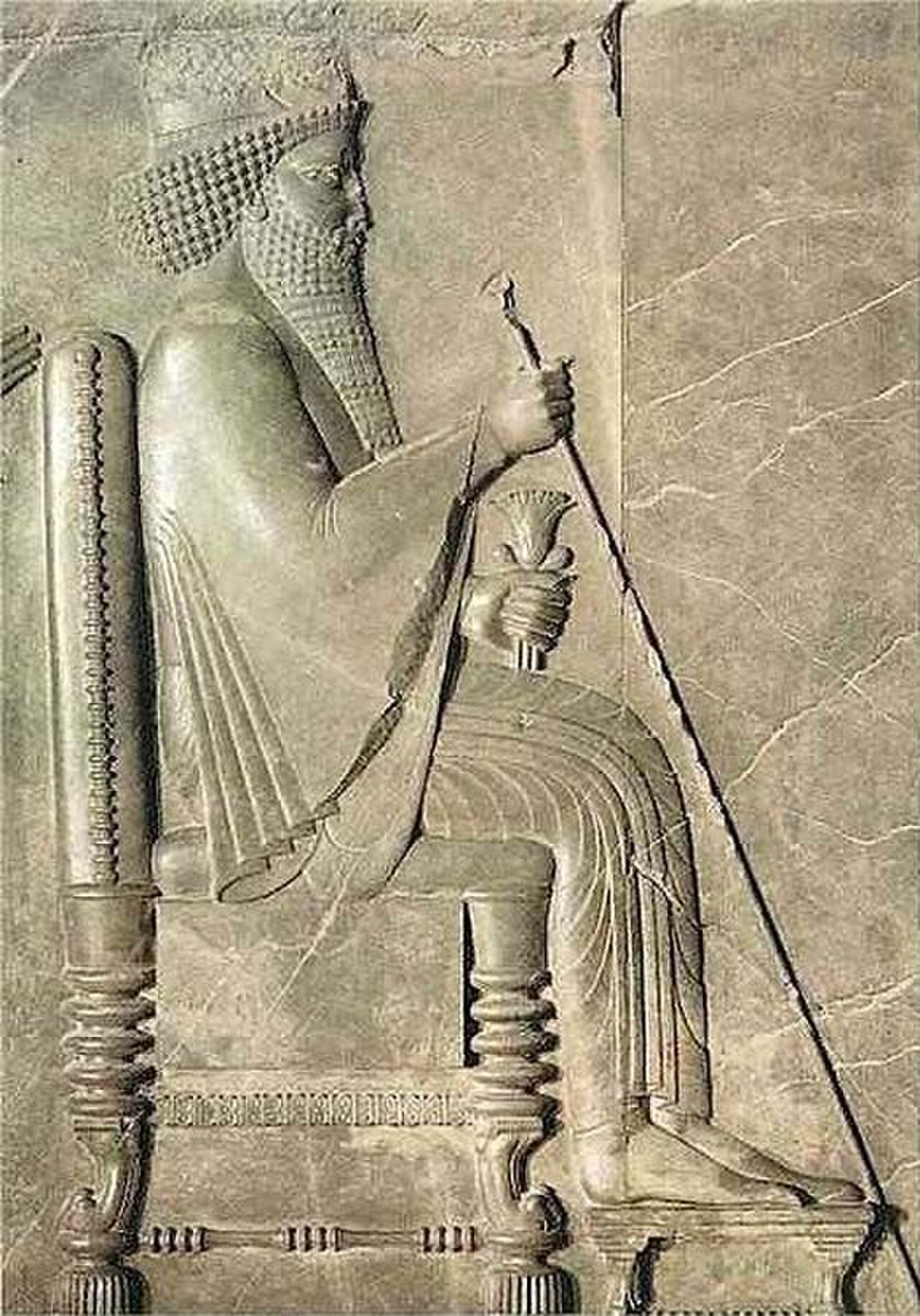
The scepter, a staff or wand held by a ruling monarch, has been a symbol of power and authority for centuries. As an item of royal or imperial insignia, it signifies sovereign authority and is often decorated with precious stones and metals. The use of scepters dates back to ancient civilizations, with examples found in the Egyptian Civilization and the Mesopotamian Civilization. In these cultures, scepters were often associated with gods and goddesses, and were used to signify divine authority. The Roman Empire also adopted the use of scepters, with emperors using them as a symbol of their power and authority. Today, scepters continue to be used in ceremonial contexts, such as the British Monarchy's coronation ceremony.
👑 History of Scepters: Ancient Civilizations
The history of scepters is a long and complex one, with ancient civilizations such as the Sumerian Civilization and the Assyrian Civilization using them as symbols of power. In these cultures, scepters were often decorated with intricate carvings and precious stones, and were used to signify the ruler's connection to the divine. The use of scepters continued through the Ancient Greek Civilization and the Ancient Roman Civilization, with each culture adapting the symbol to fit their own unique needs and traditions. The Byzantine Empire also made use of scepters, with emperors using them to signify their authority and power. As the Middle Ages progressed, scepters became an integral part of the coronation ceremony, with monarchs using them to signify their divine right to rule.
💪 Symbolism and Significance of Scepters
The symbolism and significance of scepters are multifaceted and complex. On one hand, they represent the power and authority of the monarch, and are often used to signify the ruler's connection to the divine. On the other hand, scepters can also be seen as symbols of oppression and tyranny, with the monarch's power being used to dominate and control their subjects. The French Revolution's rejection of the monarch and the scepter is a prime example of this, with the revolutionaries seeing the scepter as a symbol of the old regime's oppression. Today, scepters continue to be used in ceremonial contexts, such as the Papal States' use of the Papal Ferula. The Catholic Church also makes use of scepters, with bishops and archbishops using them to signify their authority and power.
🔥 Scepters in Medieval Europe
During the Middle Ages, scepters played a significant role in the coronation ceremony of monarchs. The Holy Roman Empire's use of the scepter is a prime example of this, with the emperor using the scepter to signify their authority and power. The Kingdom of England also made use of scepters, with monarchs such as King Henry VIII using them to signify their divine right to rule. The Scottish Monarchy also used scepters, with the Stone of Scone being used in the coronation ceremony. As the Renaissance progressed, scepters continued to be used in ceremonial contexts, with monarchs such as Queen Elizabeth I using them to signify their authority and power.
🌎 Global Variations of Scepters
Scepters have been used by cultures all around the world, with each culture adapting the symbol to fit their own unique needs and traditions. In Africa, scepters were used by monarchs such as the Ashanti Empire's Asantehene. In Asia, scepters were used by monarchs such as the Qing Dynasty's Emperor of China. The Inca Empire also made use of scepters, with the Sapa Inca using them to signify their authority and power. Today, scepters continue to be used in ceremonial contexts, such as the Japanese Monarchy's use of the Japanese Imperial Regalia. The Korean Monarchy also makes use of scepters, with the King of Korea using them to signify their authority and power.
👑 Modern-Day Scepters: Ceremonial and Symbolic
In modern times, scepters continue to be used in ceremonial contexts, such as the British Monarchy's coronation ceremony. The Papal States also make use of scepters, with the Pope using the Papal Ferula to signify their authority and power. The Catholic Church also uses scepters, with bishops and archbishops using them to signify their authority and power. However, the use of scepters has also been criticized, with some seeing them as symbols of oppression and tyranny. The French Revolution's rejection of the monarch and the scepter is a prime example of this, with the revolutionaries seeing the scepter as a symbol of the old regime's oppression. As the Contemporary Period progresses, it will be interesting to see how the use of scepters evolves, with some monarchies such as the Jordanian Monarchy using them in more symbolic and ceremonial contexts.
🤝 Scepters in Literature and Art
Scepters have also been featured in literature and art, with authors such as William Shakespeare using them as symbols of power and authority. The Divine Comedy also features scepters, with the Roman Catholic Church using them to signify the authority of the Pope. The Canterbury Tales also feature scepters, with the Archbishop of Canterbury using them to signify their authority and power. In art, scepters have been depicted in numerous works, such as the Arnolfini Portrait and the The Ambassadors. The Holy Roman Empire's use of scepters is also depicted in numerous works of art, with the Charlemagne using the scepter to signify his authority and power.
📚 Scepters in Mythology and Folklore
In mythology and folklore, scepters have been used as symbols of power and authority, with gods and goddesses such as Zeus and Jupiter using them to signify their divine authority. The Norse Mythology also features scepters, with the Odin using the Gungnir to signify his authority and power. The Hindu Mythology also features scepters, with the Brahma using the Brahmastra to signify his authority and power. In folklore, scepters have been used as symbols of good luck and prosperity, with the Irish Folklore featuring the Blarney Stone as a symbol of good fortune. The Scottish Folklore also features scepters, with the Stone of Scone being used in the coronation ceremony.
👑 Controversies and Criticisms Surrounding Scepters
The use of scepters has been surrounded by controversy and criticism, with some seeing them as symbols of oppression and tyranny. The French Revolution's rejection of the monarch and the scepter is a prime example of this, with the revolutionaries seeing the scepter as a symbol of the old regime's oppression. The American Revolution also rejected the use of scepters, with the United States adopting a more democratic system of government. However, the use of scepters has also been defended, with some seeing them as symbols of tradition and heritage. The British Monarchy's use of scepters is a prime example of this, with the monarch using the scepter to signify their authority and power. As the Contemporary Period progresses, it will be interesting to see how the use of scepters evolves, with some monarchies such as the Jordanian Monarchy using them in more symbolic and ceremonial contexts.
🔮 The Future of Scepters: Evolving Symbols of Power
As the world becomes increasingly globalized and interconnected, it will be interesting to see how the use of scepters evolves. Will they continue to be used as symbols of power and authority, or will they become more symbolic and ceremonial? The Digital Age has already seen the rise of new symbols of power and authority, such as the Smartphone and the Laptop. However, the use of scepters has also been adapted to fit the digital age, with the Papal States using the Papal Ferula in online ceremonies and events. As the Future progresses, it will be interesting to see how the use of scepters continues to evolve, with some monarchies such as the Jordanian Monarchy using them in more symbolic and ceremonial contexts.
👑 Conclusion: The Enduring Legacy of Scepters
In conclusion, the scepter has been a symbol of power and authority for centuries, with its use dating back to ancient civilizations. From the Egyptian Civilization to the British Monarchy, scepters have been used to signify the ruler's connection to the divine and their authority and power. However, the use of scepters has also been criticized, with some seeing them as symbols of oppression and tyranny. As the Contemporary Period progresses, it will be interesting to see how the use of scepters evolves, with some monarchies such as the Jordanian Monarchy using them in more symbolic and ceremonial contexts. The Future of scepters is uncertain, but one thing is clear: they will continue to be an important symbol of power and authority for generations to come.
Key Facts
- Year
- Ancient Origins, Ongoing Evolution
- Origin
- Ancient Egypt, Mesopotamia, and other early civilizations
- Category
- History, Culture, Politics
- Type
- Symbol, Artifact
Frequently Asked Questions
What is a scepter?
A scepter is a staff or wand held in the hand by a ruling monarch as an item of royal or imperial insignia, signifying sovereign authority. It is often decorated with precious stones and metals, and is used to signify the ruler's connection to the divine and their authority and power. The use of scepters dates back to ancient civilizations, with examples found in the Egyptian Civilization and the Mesopotamian Civilization. Today, scepters continue to be used in ceremonial contexts, such as the British Monarchy's coronation ceremony.
What is the history of scepters?
The history of scepters is a long and complex one, with ancient civilizations such as the Sumerian Civilization and the Assyrian Civilization using them as symbols of power. The use of scepters continued through the Ancient Greek Civilization and the Ancient Roman Civilization, with each culture adapting the symbol to fit their own unique needs and traditions. The Byzantine Empire also made use of scepters, with emperors using them to signify their authority and power. As the Middle Ages progressed, scepters became an integral part of the coronation ceremony, with monarchs using them to signify their divine right to rule.
What is the symbolism of scepters?
The symbolism of scepters is multifaceted and complex. On one hand, they represent the power and authority of the monarch, and are often used to signify the ruler's connection to the divine. On the other hand, scepters can also be seen as symbols of oppression and tyranny, with the monarch's power being used to dominate and control their subjects. The French Revolution's rejection of the monarch and the scepter is a prime example of this, with the revolutionaries seeing the scepter as a symbol of the old regime's oppression. Today, scepters continue to be used in ceremonial contexts, such as the Papal States' use of the Papal Ferula.
How are scepters used today?
Scepters continue to be used in ceremonial contexts, such as the British Monarchy's coronation ceremony. The Papal States also make use of scepters, with the Pope using the Papal Ferula to signify their authority and power. The Catholic Church also uses scepters, with bishops and archbishops using them to signify their authority and power. However, the use of scepters has also been criticized, with some seeing them as symbols of oppression and tyranny. As the Contemporary Period progresses, it will be interesting to see how the use of scepters evolves, with some monarchies such as the Jordanian Monarchy using them in more symbolic and ceremonial contexts.
What is the future of scepters?
The future of scepters is uncertain, but one thing is clear: they will continue to be an important symbol of power and authority for generations to come. As the world becomes increasingly globalized and interconnected, it will be interesting to see how the use of scepters evolves. Will they continue to be used as symbols of power and authority, or will they become more symbolic and ceremonial? The Digital Age has already seen the rise of new symbols of power and authority, such as the Smartphone and the Laptop. However, the use of scepters has also been adapted to fit the digital age, with the Papal States using the Papal Ferula in online ceremonies and events.