
Contents
- 📚 Introduction to Rubrication
- 🔴 Origins of Rubrication
- 📝 The Medieval Process of Manuscript Making
- 🖋️ The Role of Rubricators
- 🔍 Techniques and Tools
- 📖 Examples of Rubrication
- 👥 Notable Rubricators
- 📚 Preservation and Legacy
- 🕰️ Evolution of Rubrication
- 📊 Impact on Literature and Art
- 🤔 Controversies and Debates
- 📈 Future of Rubrication
- Frequently Asked Questions
- Related Topics
Overview
Rubrication, the practice of adding decorative red letters and flourishes to manuscripts, has a rich history dating back to ancient civilizations. This intricate art form was used to emphasize important texts, signify headings, and create visually stunning works of art. From the elaborate illuminations of medieval Europe to the intricate calligraphy of Islamic manuscripts, rubrication has played a significant role in the development of written communication. With the advent of printing technology, rubrication became less prevalent, but its influence can still be seen in modern design and typography. The cultural significance of rubrication extends beyond its aesthetic appeal, as it often conveyed social status, power, and spiritual authority. As we continue to navigate the digital age, the art of rubrication serves as a reminder of the importance of human touch and craftsmanship in the creation of meaningful texts.
📚 Introduction to Rubrication
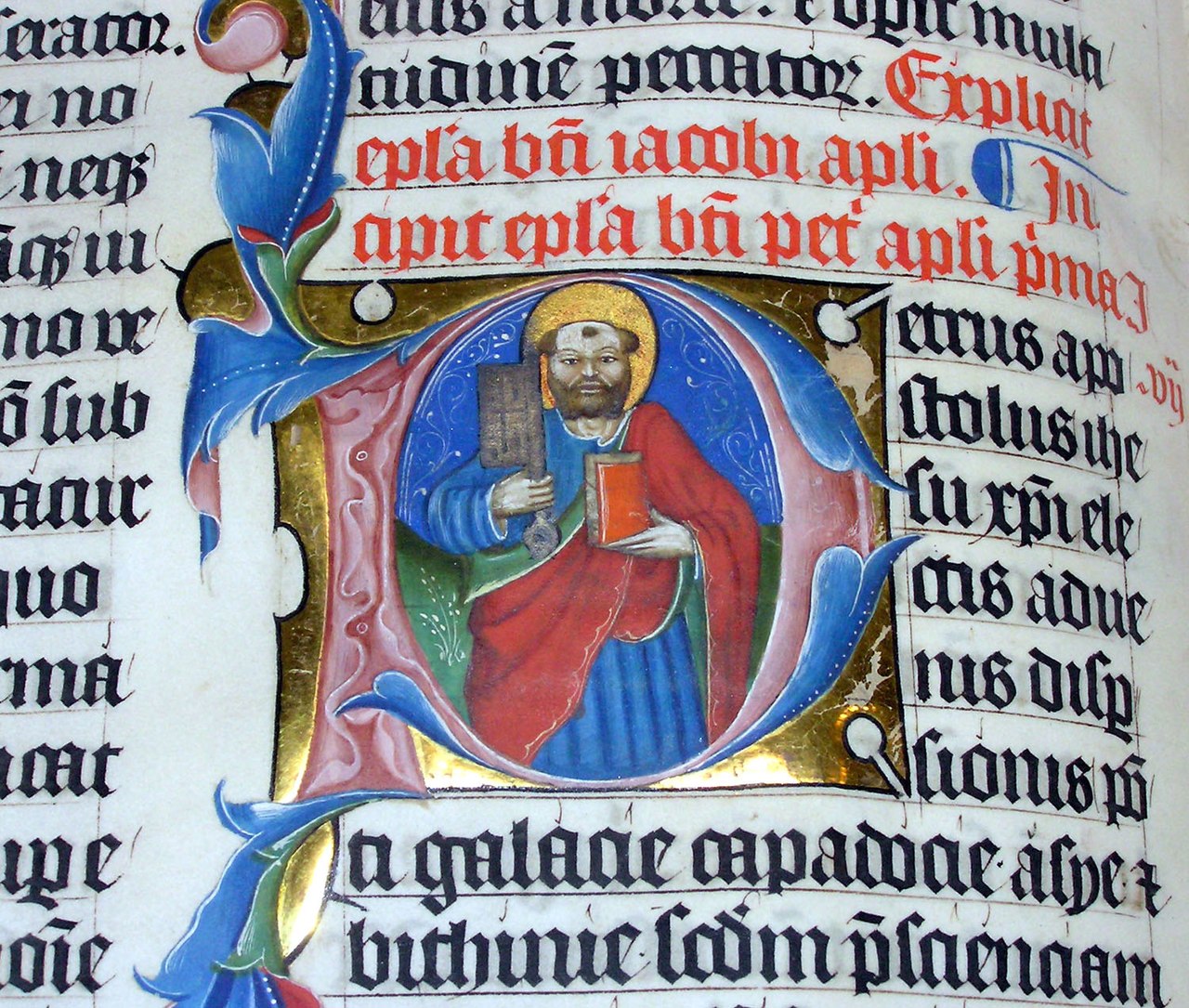
The art of rubrication, or the addition of text in red ink to a manuscript for emphasis, has a rich history dating back to pharaonic Egypt. This ancient practice, which originated with scribes emphasizing important text on papyri with red ink, has evolved over time to become an essential part of the medieval process of manuscript making. As seen in the works of Medieval Scribes, rubrication was used to highlight key elements such as headings, new parts of a narrative, and important quotes. The term rubrication comes from the Latin rubrīcāre, 'to color red', with the base word being ruber, 'red'. For more information on the history of writing, visit History of Writing.
🔴 Origins of Rubrication
The origins of rubrication can be traced back to ancient Egypt, where scribes used red ink to emphasize important text on papyri. This practice was later adopted by the ancient Greeks and Romans, who used rubrication to highlight key elements in their manuscripts. As discussed in Ancient Egyptian Literature, the use of red ink was a symbol of power and importance. The practice of rubrication continued to evolve over time, with the medieval process of manuscript making relying heavily on the skills of specialized scribes, known as rubricators. For more information on the evolution of writing, visit Evolution of Writing.
📝 The Medieval Process of Manuscript Making
The medieval process of manuscript making was a complex and time-consuming process that involved several steps, including Calligraphy, Illumination, and rubrication. Rubricators played a crucial role in this process, as they were responsible for adding text in red ink to the manuscript for emphasis. As seen in the works of Medieval Illuminators, the use of red ink added a touch of elegance and sophistication to the manuscript. The process of rubrication required great skill and attention to detail, as the rubricator had to carefully select the text to be emphasized and apply the red ink with precision. For more information on the medieval process of manuscript making, visit Medieval Manuscript Making.
🖋️ The Role of Rubricators
Rubricators were specialized scribes who received text from the original scribe and added the red ink for emphasis. They were highly skilled and trained in the art of rubrication, and their work was essential to the medieval process of manuscript making. As discussed in Scribe, the role of the rubricator was not only to add emphasis to the text but also to create a visually appealing manuscript. The rubricator had to have a deep understanding of the text and the context in which it was being used, in order to select the most important elements to emphasize. For more information on the role of rubricators, visit Rubicators.
🔍 Techniques and Tools
The techniques and tools used in rubrication were highly specialized and required great skill and precision. The rubricator used a range of tools, including Quills, Ink, and Parchment, to create the intricate and elaborate designs that characterized medieval manuscripts. As seen in the works of Medieval Artists, the use of red ink added a touch of elegance and sophistication to the manuscript. The rubricator had to have a deep understanding of the properties of the ink and the parchment, in order to achieve the desired effect. For more information on the techniques and tools used in rubrication, visit Rubication Techniques.
📖 Examples of Rubrication
There are many examples of rubrication in medieval manuscripts, including the famous Book of Kells and the Lindisfarne Gospels. These manuscripts demonstrate the high level of skill and artistry that rubricators brought to their work, and showcase the importance of rubrication in the medieval process of manuscript making. As discussed in Medieval Literature, the use of red ink added a touch of elegance and sophistication to the manuscript. The rubricator's work can be seen in the intricate and elaborate designs that characterize these manuscripts, and in the way that the red ink is used to emphasize key elements of the text. For more information on examples of rubrication, visit Rubication Examples.
👥 Notable Rubricators
There were many notable rubricators throughout history, including the famous Medieval Rubricators who worked on the Book of Kells and the Lindisfarne Gospels. These rubricators were highly skilled and trained in the art of rubrication, and their work continues to be admired and studied today. As seen in the works of Medieval Illuminators, the use of red ink added a touch of elegance and sophistication to the manuscript. The rubricator's work can be seen in the intricate and elaborate designs that characterize these manuscripts, and in the way that the red ink is used to emphasize key elements of the text. For more information on notable rubricators, visit Notable Rubricators.
📚 Preservation and Legacy
The preservation and legacy of rubrication are a testament to the enduring importance of this ancient art form. Many medieval manuscripts that feature rubrication have been preserved and are now housed in museums and libraries around the world, where they can be studied and admired by scholars and the general public. As discussed in Manuscript Preservation, the preservation of these manuscripts is crucial to our understanding of the medieval process of manuscript making. The legacy of rubrication can be seen in the many modern artists and designers who continue to be inspired by the intricate and elaborate designs of medieval manuscripts. For more information on the preservation and legacy of rubrication, visit Rubication Legacy.
🕰️ Evolution of Rubrication
The evolution of rubrication over time is a fascinating story that reflects the changing needs and tastes of society. From its origins in ancient Egypt to its peak in the medieval period, rubrication has undergone many changes and developments, and continues to evolve to this day. As seen in the works of Modern Artists, the use of red ink has become a popular design element in many forms of art and literature. The evolution of rubrication can be seen in the many different forms that it has taken, from the intricate and elaborate designs of medieval manuscripts to the simple and elegant designs of modern artists. For more information on the evolution of rubrication, visit Evolution of Rubrication.
📊 Impact on Literature and Art
The impact of rubrication on literature and art is immeasurable, and can be seen in the many different forms that it has taken over the centuries. From the intricate and elaborate designs of medieval manuscripts to the simple and elegant designs of modern artists, rubrication has played a significant role in shaping the way that we communicate and express ourselves. As discussed in Literary Influence, the use of red ink has become a powerful tool for emphasizing key elements of a text and creating a visually appealing design. The impact of rubrication can be seen in the many different forms of art and literature that it has influenced, from the illuminated manuscripts of the medieval period to the graphic novels of today. For more information on the impact of rubrication, visit Impact of Rubrication.
🤔 Controversies and Debates
Despite its many benefits and advantages, rubrication has also been the subject of controversy and debate over the years. Some have argued that the use of red ink is too flashy or attention-seeking, while others have argued that it is a necessary tool for emphasizing key elements of a text. As seen in the works of Controversial Artists, the use of red ink has become a powerful tool for making a statement and challenging societal norms. The controversy surrounding rubrication can be seen in the many different opinions and perspectives that exist on the subject, and in the ongoing debate about the role of rubrication in modern art and literature. For more information on the controversy surrounding rubrication, visit Rubication Controversy.
📈 Future of Rubrication
As we look to the future of rubrication, it is clear that this ancient art form will continue to play an important role in shaping the way that we communicate and express ourselves. Whether it is used to emphasize key elements of a text, to create a visually appealing design, or to make a statement and challenge societal norms, rubrication will continue to be a powerful tool for artists and designers. As discussed in Future of Art, the use of red ink will continue to evolve and adapt to the changing needs and tastes of society. The future of rubrication is bright, and it will be exciting to see how this ancient art form continues to evolve and influence the world of art and literature. For more information on the future of rubrication, visit Future of Rubrication.
Key Facts
- Year
- 1200
- Origin
- Europe
- Category
- History of Art and Literature
- Type
- Artistic Technique
Frequently Asked Questions
What is rubrication?
Rubrication is the addition of text in red ink to a manuscript for emphasis. It was a crucial step in the medieval process of manuscript making and was used to highlight key elements such as headings, new parts of a narrative, and important quotes. For more information on rubrication, visit Rubication.
Where did rubrication originate?
Rubrication originated in ancient Egypt, where scribes used red ink to emphasize important text on papyri. The practice was later adopted by the ancient Greeks and Romans, and continued to evolve over time. For more information on the origins of rubrication, visit Origins of Rubrication.
What is the significance of rubrication in medieval manuscripts?
Rubrication played a significant role in medieval manuscripts, as it was used to emphasize key elements of the text and create a visually appealing design. The use of red ink added a touch of elegance and sophistication to the manuscript, and helped to guide the reader through the text. For more information on the significance of rubrication, visit Significance of Rubrication.
Who were the rubricators?
Rubricators were specialized scribes who received text from the original scribe and added the red ink for emphasis. They were highly skilled and trained in the art of rubrication, and their work was essential to the medieval process of manuscript making. For more information on rubricators, visit Rubicators.
What is the legacy of rubrication?
The legacy of rubrication is a testament to the enduring importance of this ancient art form. Many medieval manuscripts that feature rubrication have been preserved and are now housed in museums and libraries around the world, where they can be studied and admired by scholars and the general public. For more information on the legacy of rubrication, visit Legacy of Rubrication.
How has rubrication influenced modern art and literature?
Rubrication has had a significant influence on modern art and literature, and can be seen in the many different forms that it has taken over the centuries. From the intricate and elaborate designs of medieval manuscripts to the simple and elegant designs of modern artists, rubrication has played a significant role in shaping the way that we communicate and express ourselves. For more information on the influence of rubrication, visit Influence of Rubrication.
What is the future of rubrication?
The future of rubrication is bright, and it will be exciting to see how this ancient art form continues to evolve and influence the world of art and literature. Whether it is used to emphasize key elements of a text, to create a visually appealing design, or to make a statement and challenge societal norms, rubrication will continue to be a powerful tool for artists and designers. For more information on the future of rubrication, visit Future of Rubrication.