
Contents
- 🏯 Introduction to Roman Trade Policies
- 📈 The Roman Economy: A Complex System
- 🚣♀️ Maritime Trade: The Lifeblood of Rome
- 🚂 The Roman Road Network: Facilitating Trade
- 🏛️ Roman Trade Laws and Regulations
- 💰 Roman Currency and Financial Systems
- 📊 The Impact of Roman Trade on the Empire's Growth
- 🌎 Roman Trade with Other Civilizations
- 🤝 The Role of Merchants and Traders in Roman Society
- 📚 The Legacy of Roman Trade Policies
- 📊 Roman Trade Statistics: A Look at the Numbers
- 👑 The Emperor's Role in Shaping Roman Trade Policies
- Frequently Asked Questions
- Related Topics
Overview
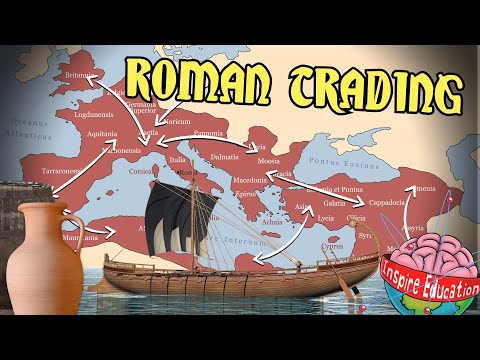
Roman trade policies played a crucial role in the expansion and maintenance of the Roman Empire, with a complex system of tariffs, trade agreements, and infrastructure development. The Roman Empire's strategic location at the center of the Mediterranean facilitated trade with neighboring regions, including Egypt, Greece, and Asia Minor. The Roman government implemented policies such as the lex Claudia, which restricted the size of ships and the amount of cargo that could be transported, in an effort to regulate trade and protect domestic industries. The Roman Empire's trade network extended from Britain to India, with key trade routes including the Silk Road and the Incense Road. The empire's trade policies had a significant impact on the development of international trade, with the Roman currency, the denarius, becoming a widely accepted standard. As the Roman Empire expanded, its trade policies adapted to accommodate new regions and commodities, with the Roman government establishing trade agreements with neighboring kingdoms and empires, such as the Parthian Empire.
🏯 Introduction to Roman Trade Policies
The Roman Empire's trade policies were a crucial component of its success, allowing it to expand its territories and increase its wealth. As discussed in The Roman Economy, the empire's economic system was complex and multifaceted, with trade playing a key role. The Romans established a vast network of trade routes, including the famous Roman Road Network, which facilitated the exchange of goods across the empire. Roman trade policies were also influenced by its currency and financial systems, which were designed to promote trade and commerce. For example, the Roman denarius was a widely accepted currency that facilitated trade across the empire.
📈 The Roman Economy: A Complex System
The Roman economy was a complex system that relied heavily on trade to function. As noted in Roman Agriculture, the empire's agricultural production was not always sufficient to meet its needs, and trade helped to fill the gap. The Romans traded with other civilizations, including the Ancient Greeks and the Egyptians, to acquire goods such as grain, wine, and olive oil. The Roman trade laws and regulations, such as the Lex Claudia, were designed to promote trade and protect Roman merchants. However, these laws also created tensions with other civilizations, as discussed in Roman Foreign Relations.
🚣♀️ Maritime Trade: The Lifeblood of Rome
Maritime trade was a vital component of the Roman economy, with the empire's extensive coastline and network of ports facilitating the exchange of goods. The Romans built a large fleet of ships that sailed across the Mediterranean, trading with other civilizations and establishing a dominant position in the region. As discussed in Roman Maritime Trade, the empire's maritime trade helped to promote the growth of its cities, including Rome and Alexandria. The Roman Port of Ostia was a major hub of maritime trade, with goods such as grain and wine being imported and exported. However, the empire's reliance on maritime trade also made it vulnerable to disruptions, such as the piracy that plagued the Mediterranean.
🚂 The Roman Road Network: Facilitating Trade
The Roman road network was an engineering marvel that facilitated trade and commerce across the empire. As noted in Roman Engineering, the Romans built over 250,000 miles of roads, including the famous Appian Way, which connected Rome to other parts of the empire. The road network helped to promote trade by reducing transportation costs and increasing the speed of goods movement. Roman merchants, such as those discussed in Roman Merchants, were able to travel quickly and easily across the empire, establishing trade relationships with other cities and civilizations. However, the road network also created new challenges, such as the need for Roman Logistics to manage the movement of goods and people.
🏛️ Roman Trade Laws and Regulations
Roman trade laws and regulations were designed to promote trade and protect Roman merchants. As discussed in Roman Law, the Romans established a complex system of laws and regulations that governed trade, including the Lex Mercatoria. The laws covered a range of topics, including contracts, property rights, and dispute resolution. Roman merchants were also protected by the empire's Roman Navy, which helped to secure trade routes and prevent piracy. However, the laws and regulations also created tensions with other civilizations, as discussed in Roman Trade Wars. For example, the Roman trade embargoes against certain cities and civilizations helped to limit their economic growth.
💰 Roman Currency and Financial Systems
The Roman currency and financial systems were designed to promote trade and commerce. As noted in Roman Currency System, the Romans used a variety of currencies, including the denarius and the aureus. The empire's financial systems, including its Roman Banking system, helped to facilitate trade by providing loans and other financial services to merchants. The Roman Stock Exchange was also an important institution that helped to promote trade and commerce. However, the empire's financial systems also created new challenges, such as the need for Roman Accounting to manage the complex financial transactions.
📊 The Impact of Roman Trade on the Empire's Growth
The impact of Roman trade on the empire's growth was significant, with trade helping to promote economic growth and urbanization. As discussed in Roman Urbanization, the empire's cities, including Rome and Alexandria, grew rapidly as a result of trade. The Roman trade guilds also played an important role in promoting trade and commerce, by providing training and other services to merchants. However, the empire's reliance on trade also created new challenges, such as the need for Roman Infrastructure to support the growth of its cities. For example, the Roman aqueducts helped to provide clean water to its cities, while the sewer systems helped to manage waste.
🌎 Roman Trade with Other Civilizations
Roman trade with other civilizations was a significant component of the empire's economy. As noted in Roman Foreign Trade, the Romans traded with a range of civilizations, including the Ancient Greeks and the Egyptians. The empire's trade relationships with other civilizations helped to promote the growth of its cities and the development of its economy. However, the empire's trade relationships also created tensions with other civilizations, as discussed in Roman Trade Conflicts. For example, the Roman trade wars with Persia helped to limit the growth of the Persian economy.
🤝 The Role of Merchants and Traders in Roman Society
The role of merchants and traders in Roman society was significant, with many merchants accumulating great wealth and influence. As discussed in Roman Merchant Class, the Roman merchant class was a powerful and influential group that played a key role in shaping the empire's trade policies. The Roman trade associations also helped to promote the interests of merchants and traders, by providing training and other services. However, the merchant class also created new challenges, such as the need for Roman Social Hierarchy to manage the complex social relationships between merchants and other groups.
📚 The Legacy of Roman Trade Policies
The legacy of Roman trade policies can still be seen today, with many modern trade practices and institutions having their roots in the Roman system. As noted in Roman Trade Legacy, the Roman trade laws and regulations, such as the Lex Mercatoria, continue to influence modern trade law. The Roman trade customs and practices, such as the use of Roman currency, also continue to shape modern trade practices. However, the legacy of Roman trade policies also raises important questions about the impact of trade on modern societies, as discussed in Modern Trade Debates.
📊 Roman Trade Statistics: A Look at the Numbers
Roman trade statistics provide a fascinating insight into the empire's economy and trade practices. As discussed in Roman Trade Statistics, the empire's trade volumes were significant, with millions of tons of goods being traded each year. The Roman trade deficit was also a significant issue, with the empire importing more goods than it exported. However, the trade statistics also raise important questions about the accuracy of the data, as discussed in Roman Economic Data. For example, the Roman census data provides valuable insights into the empire's population and economic growth.
👑 The Emperor's Role in Shaping Roman Trade Policies
The emperor's role in shaping Roman trade policies was significant, with many emperors playing a key role in promoting trade and commerce. As noted in Roman Emperors, the emperor's trade policies helped to promote the growth of the empire's economy and the development of its cities. The Roman imperial trade policies also helped to shape the empire's relationships with other civilizations, as discussed in Roman Foreign Relations. However, the emperor's role in shaping trade policies also raises important questions about the impact of imperial power on trade, as discussed in Imperial Trade Debates.
Key Facts
- Year
- 27
- Origin
- Rome, Roman Empire
- Category
- History
- Type
- Historical Concept
Frequently Asked Questions
What was the main purpose of Roman trade policies?
The main purpose of Roman trade policies was to promote trade and commerce across the empire, and to protect Roman merchants and traders. The policies helped to establish a complex system of trade laws and regulations, which governed trade practices and protected Roman interests. As discussed in Roman Trade Policies, the policies also helped to promote the growth of the empire's economy and the development of its cities.
How did the Roman road network facilitate trade?
The Roman road network facilitated trade by reducing transportation costs and increasing the speed of goods movement. The network of roads, which included the famous Appian Way, connected Rome to other parts of the empire and helped to promote trade and commerce. As noted in Roman Road Network, the roads were built and maintained by the Roman government, and were used by merchants and traders to transport goods across the empire.
What was the role of the Roman merchant class in shaping trade policies?
The Roman merchant class played a significant role in shaping trade policies, with many merchants accumulating great wealth and influence. The merchant class helped to promote the interests of merchants and traders, and played a key role in shaping the empire's trade laws and regulations. As discussed in Roman Merchant Class, the merchant class also helped to promote the growth of the empire's economy and the development of its cities.
How did Roman trade with other civilizations impact the empire's economy?
Roman trade with other civilizations had a significant impact on the empire's economy, helping to promote the growth of its cities and the development of its economy. The empire's trade relationships with other civilizations, such as the Ancient Greeks and the Egyptians, helped to promote the exchange of goods and ideas, and helped to establish Rome as a major center of trade and commerce. As noted in Roman Foreign Trade, the trade relationships also created tensions with other civilizations, and helped to shape the empire's foreign policy.
What was the legacy of Roman trade policies?
The legacy of Roman trade policies can still be seen today, with many modern trade practices and institutions having their roots in the Roman system. The Roman trade laws and regulations, such as the Lex Mercatoria, continue to influence modern trade law, and the Roman trade customs and practices continue to shape modern trade practices. As discussed in Roman Trade Legacy, the legacy of Roman trade policies also raises important questions about the impact of trade on modern societies.
How did the Roman emperor's role in shaping trade policies impact the empire's economy?
The Roman emperor's role in shaping trade policies had a significant impact on the empire's economy, with many emperors playing a key role in promoting trade and commerce. The emperor's trade policies helped to promote the growth of the empire's economy and the development of its cities, and helped to establish Rome as a major center of trade and commerce. As noted in Roman Emperors, the emperor's trade policies also helped to shape the empire's relationships with other civilizations, and helped to promote the exchange of goods and ideas.
What were the main challenges faced by Roman merchants and traders?
The main challenges faced by Roman merchants and traders included the risk of piracy, the difficulty of navigating the empire's complex system of trade laws and regulations, and the challenge of competing with other merchants and traders. As discussed in Roman Merchants, the merchants and traders also faced challenges such as the need to manage complex financial transactions, and the need to navigate the empire's social hierarchy. However, the merchants and traders also had opportunities to accumulate great wealth and influence, and to play a key role in shaping the empire's trade policies.