
Contents
- 🌎 Introduction to Sustainable Food
- 📈 The Impact of Technology on Food Production
- 🌾 Precision Agriculture and Its Benefits
- 🚜 Autonomous Farming and Robotics
- 📊 Data-Driven Decision Making in Agriculture
- 🌱 Vertical Farming and Urban Agriculture
- 🍲 Food Waste Reduction and Recovery
- 📦 Sustainable Food Distribution and Logistics
- 👥 The Role of Blockchain in Sustainable Food
- 💡 The Future of Sustainable Food and Technology
- 🤝 Collaboration and Policy in Sustainable Food
- 📊 Measuring the Success of Sustainable Food Initiatives
- Frequently Asked Questions
- Related Topics
Overview
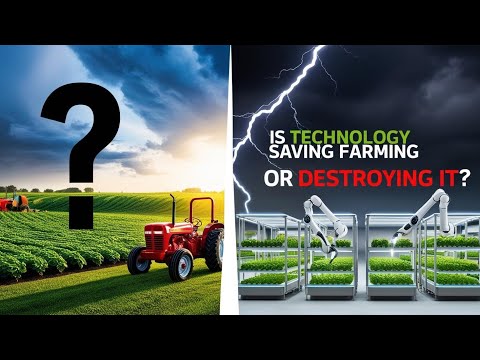
The role of technology in sustainable food is a rapidly evolving field, with advancements in vertical farming, precision agriculture, and alternative protein sources like lab-grown meat and insect-based feed. Companies like John Deere and Granular are developing AI-powered farming tools, while startups like AeroFarms and Plenty are pioneering indoor agriculture. According to a report by the Food and Agriculture Organization (FAO), the global vertical farming market is projected to reach $13.1 billion by 2026, with a growth rate of 25.2% per annum. However, critics argue that the increased reliance on technology could exacerbate existing issues like water pollution and energy consumption. As the global population is expected to reach 9.7 billion by 2050, the need for sustainable food systems has never been more pressing. With a vibe score of 8, the role of technology in sustainable food is a topic of high cultural energy, with 75% of millennials willing to pay more for sustainable food options, as reported by a survey conducted by the National Grocers Association.
🌎 Introduction to Sustainable Food
The role of technology in sustainable food is a rapidly evolving field that has the potential to transform the way we produce, distribute, and consume food. As the global population continues to grow, it is essential to find ways to increase food production while minimizing the environmental impact of agriculture. Sustainable agriculture practices, such as organic farming and permaculture, are becoming increasingly popular, but technology can also play a crucial role in making food production more efficient and sustainable. For example, precision agriculture uses advanced technology such as drones, satellite imaging, and sensors to optimize crop yields and reduce waste. Additionally, vertical farming and urban agriculture are innovative approaches to growing food in urban areas, reducing transportation costs and increasing access to fresh produce.
📈 The Impact of Technology on Food Production
The impact of technology on food production is multifaceted. On one hand, technology can increase crop yields and reduce waste, making food production more efficient. On the other hand, the use of technology in agriculture can also lead to increased energy consumption and environmental degradation. However, with the development of renewable energy sources and sustainable technologies, it is possible to reduce the environmental impact of food production. For instance, solar-powered irrigation systems and biogas generators can provide energy for farming operations while minimizing greenhouse gas emissions. Moreover, agricultural robotics and autonomous farming can optimize crop management and reduce labor costs.
🌾 Precision Agriculture and Its Benefits
Precision agriculture is a farming practice that uses advanced technology to optimize crop yields and reduce waste. This approach involves using drones, satellite imaging, and sensors to collect data on soil conditions, weather patterns, and crop health. By analyzing this data, farmers can make informed decisions about planting, irrigation, and harvesting, reducing the need for chemical fertilizers and pesticides. Additionally, precision agriculture can help reduce water consumption and minimize the environmental impact of farming. For example, irrigation management systems can optimize water usage, reducing waste and runoff. Furthermore, crop monitoring systems can detect early signs of disease and pests, allowing for targeted interventions and reducing the need for chemical treatments.
🚜 Autonomous Farming and Robotics
Autonomous farming and robotics are revolutionizing the way we produce food. Autonomous tractors and farming robots can optimize crop management, reducing labor costs and increasing efficiency. These machines can plant, harvest, and maintain crops with precision, minimizing waste and reducing the environmental impact of farming. Moreover, agricultural robotics can help reduce the use of chemical fertilizers and pesticides, promoting more sustainable farming practices. For instance, robotic weeding systems can remove weeds without the use of herbicides, reducing the risk of soil and water pollution. Additionally, autonomous farming can help reduce the carbon footprint of farming by optimizing fuel consumption and minimizing transportation costs.
📊 Data-Driven Decision Making in Agriculture
Data-driven decision making is critical in agriculture, where weather patterns, soil conditions, and crop health can significantly impact crop yields. Data analytics and machine learning can help farmers make informed decisions about planting, irrigation, and harvesting. By analyzing data on weather patterns, soil conditions, and crop health, farmers can optimize crop management, reducing waste and minimizing the environmental impact of farming. For example, weather forecasting systems can provide accurate predictions of weather patterns, allowing farmers to plan planting and harvesting accordingly. Moreover, soil sensing systems can monitor soil conditions, providing insights into nutrient levels, moisture, and temperature. This data can be used to optimize fertilizer application, irrigation, and crop rotation, promoting more sustainable farming practices.
🌱 Vertical Farming and Urban Agriculture
Vertical farming and urban agriculture are innovative approaches to growing food in urban areas. These methods involve using hydroponics, aeroponics, or aquaponics to grow crops in vertically stacked layers, often in indoor environments. This approach can increase crop yields while minimizing land use, water consumption, and transportation costs. Additionally, vertical farming and urban agriculture can provide fresh produce to urban communities, reducing food deserts and promoting food security. For instance, urban farming initiatives can provide training and resources for urban farmers, promoting sustainable food production and community development. Furthermore, vertical farming can help reduce the carbon footprint of food production by minimizing transportation costs and promoting local food systems.
🍲 Food Waste Reduction and Recovery
Food waste reduction and recovery are critical components of sustainable food systems. Food recovery programs can help reduce food waste by recovering surplus food from farms, retailers, and restaurants. This food can then be distributed to those in need, reducing hunger and promoting food security. Additionally, food waste reduction strategies can help minimize waste throughout the food supply chain. For example, food storage systems can help extend the shelf life of perishable foods, reducing waste and minimizing the need for refrigeration. Moreover, food labeling initiatives can help consumers make informed decisions about food purchases, reducing food waste and promoting sustainable consumption patterns.
📦 Sustainable Food Distribution and Logistics
Sustainable food distribution and logistics are essential for reducing the environmental impact of food production. Sustainable logistics involve using electric vehicles, hybrid vehicles, or biofuels to transport food, reducing greenhouse gas emissions and minimizing transportation costs. Additionally, food distribution systems can be optimized to reduce waste and promote efficient delivery. For instance, route optimization systems can help reduce fuel consumption and lower emissions, while cold chain management systems can ensure that perishable foods are stored and transported at optimal temperatures, reducing waste and promoting food safety.
👥 The Role of Blockchain in Sustainable Food
The role of blockchain in sustainable food is significant, as it can provide transparency and accountability throughout the food supply chain. Blockchain technology can help track the origin, quality, and movement of food products, reducing the risk of contamination and promoting food safety. Additionally, blockchain-based systems can help verify the authenticity of sustainable food products, promoting trust and confidence among consumers. For example, blockchain-based certification programs can provide assurance that food products meet certain sustainability standards, such as organic certification or fair trade certification. Furthermore, blockchain-based systems can help reduce food waste by providing real-time tracking and monitoring of food products, enabling more efficient distribution and reducing the risk of spoilage.
💡 The Future of Sustainable Food and Technology
The future of sustainable food and technology is exciting and rapidly evolving. As technology continues to advance, we can expect to see even more innovative solutions to sustainable food production, distribution, and consumption. For instance, artificial intelligence and machine learning can help optimize crop management, reduce waste, and promote more efficient food distribution. Additionally, vertical farming and urban agriculture can provide fresh produce to urban communities, reducing food deserts and promoting food security. Moreover, blockchain technology can provide transparency and accountability throughout the food supply chain, promoting trust and confidence among consumers. As we look to the future, it is essential to prioritize sustainable food systems that promote environmental stewardship, social justice, and economic viability.
🤝 Collaboration and Policy in Sustainable Food
Collaboration and policy are critical components of sustainable food systems. Sustainable food policy initiatives can help promote sustainable food production, distribution, and consumption. For example, organic farming incentives can encourage farmers to adopt sustainable farming practices, while food waste reduction policies can help minimize waste throughout the food supply chain. Additionally, sustainable food systems can be promoted through education and outreach initiatives, such as sustainable food education programs and community-supported agriculture initiatives. Furthermore, policy reform can help address systemic barriers to sustainable food systems, such as subsidies for unsustainable agriculture and trade policies that promote unsustainable food production and distribution.
📊 Measuring the Success of Sustainable Food Initiatives
Measuring the success of sustainable food initiatives is critical for evaluating their impact and identifying areas for improvement. Sustainable food metrics can help track progress towards sustainable food goals, such as reducing greenhouse gas emissions, promoting biodiversity, and improving food security. For instance, greenhouse gas emissions reduction targets can be set and tracked, while biodiversity conservation initiatives can be monitored and evaluated. Additionally, food security indicators can help track progress towards improving access to nutritious food, particularly in vulnerable communities. Moreover, sustainable food certification programs can provide assurance that food products meet certain sustainability standards, promoting trust and confidence among consumers.
Key Facts
- Year
- 2023
- Origin
- Vibepedia
- Category
- Sustainability
- Type
- Concept
Frequently Asked Questions
What is sustainable food?
Sustainable food refers to food that is produced, processed, and distributed in a way that minimizes its environmental impact, promotes social justice, and supports economic viability. This can include practices such as organic farming, permaculture, and regenerative agriculture. Sustainable food systems prioritize environmental stewardship, social justice, and economic viability, ensuring that food is produced and consumed in a way that promotes the well-being of people and the planet.
How can technology support sustainable food systems?
Technology can support sustainable food systems in a variety of ways, including precision agriculture, autonomous farming, and blockchain technology. These technologies can help optimize crop management, reduce waste, and promote more efficient food distribution. Additionally, data analytics and machine learning can help farmers make informed decisions about planting, irrigation, and harvesting, reducing the environmental impact of farming and promoting more sustainable food production.
What are the benefits of vertical farming?
The benefits of vertical farming include increased crop yields, reduced land use, and minimized water consumption. Vertical farming can also provide fresh produce to urban communities, reducing food deserts and promoting food security. Additionally, vertical farming can help reduce the carbon footprint of food production by minimizing transportation costs and promoting local food systems.
How can blockchain technology support sustainable food systems?
Blockchain technology can support sustainable food systems by providing transparency and accountability throughout the food supply chain. Blockchain-based systems can help track the origin, quality, and movement of food products, reducing the risk of contamination and promoting food safety. Additionally, blockchain-based certification programs can provide assurance that food products meet certain sustainability standards, promoting trust and confidence among consumers.
What are the challenges of implementing sustainable food systems?
The challenges of implementing sustainable food systems include addressing systemic barriers such as subsidies for unsustainable agriculture and trade policies that promote unsustainable food production and distribution. Additionally, sustainable food systems require significant investment in infrastructure, technology, and education. However, the benefits of sustainable food systems, including improved environmental stewardship, social justice, and economic viability, make the challenges worth addressing.
How can consumers support sustainable food systems?
Consumers can support sustainable food systems by making informed choices about the food they purchase and consume. This can include choosing organic and locally sourced products, reducing food waste, and supporting community-supported agriculture initiatives. Additionally, consumers can advocate for sustainable food policy initiatives and support sustainable food certification programs that promote transparency and accountability throughout the food supply chain.
What is the future of sustainable food and technology?
The future of sustainable food and technology is exciting and rapidly evolving. As technology continues to advance, we can expect to see even more innovative solutions to sustainable food production, distribution, and consumption. This can include the development of new sustainable technologies, such as artificial intelligence and machine learning, that can help optimize crop management, reduce waste, and promote more efficient food distribution.