
Contents
- 📚 Introduction to Robert McChesney's Work
- 📰 Media Concentration and Democracy
- 📺 The Role of Media in Shaping Public Opinion
- 📊 The Political Economy of Media
- 👥 Influences and Collaborations
- 📚 Notable Works and Publications
- 🎙 Interviews and Public Appearances
- 🌐 Global Impact and Reception
- 🤔 Criticisms and Controversies
- 📈 Legacy and Future Directions
- Frequently Asked Questions
- Related Topics
Overview
Robert McChesney is a prominent media scholar known for his critiques of corporate media and its impact on democracy. With a Vibe score of 82, his work has resonated with many in the academic and activist communities. McChesney's influential books, such as 'Rich Media, Poor Democracy' (1999) and 'The Problem of the Media' (2004), have shed light on the tensions between corporate interests and the public good. His work has been widely reported and confirmed by numerous sources, including The New York Times and The Guardian. As a historian, McChesney's analysis of the media landscape is rooted in a deep understanding of the complex relationships between media, politics, and economy. With a Perspective breakdown of 60% optimistic, 20% neutral, and 20% pessimistic, McChesney's views on the media are multifaceted and thought-provoking. The controversy spectrum surrounding his work is moderate, with some critics arguing that his views are too radical, while others see him as a necessary voice in the debate over media reform.
📚 Introduction to Robert McChesney's Work
Robert W. McChesney is a renowned American media theorist and author, best known for his work on the political economy of media and the impact of media concentration on democracy. As a leading figure in the field of Media Studies, McChesney has written extensively on the intersection of media, politics, and economics. His work has been influenced by scholars such as Herbert Schiller and Noam Chomsky, and has in turn influenced a generation of media scholars and activists. McChesney's research has focused on the ways in which media concentration can undermine democratic institutions and limit the diversity of voices and perspectives in the public sphere. He has also explored the role of media in shaping public opinion and influencing political outcomes, as discussed in his book Rich Media, Poor Democracy.
📰 Media Concentration and Democracy
McChesney's work on media concentration and democracy has been widely cited and debated. He has argued that the increasing concentration of media ownership in the hands of a few large corporations has led to a decline in the quality and diversity of news and information available to the public. This, in turn, has undermined the ability of citizens to make informed decisions and participate in the democratic process. McChesney's research has also highlighted the ways in which media concentration can be used to promote the interests of powerful corporations and individuals, as discussed in his book The Problem of the Media. He has been a vocal critic of the Telecommunications Act of 1996, which he argues has contributed to the consolidation of media ownership and the decline of local and independent media outlets.
📺 The Role of Media in Shaping Public Opinion
The role of media in shaping public opinion is a central theme in McChesney's work. He has argued that the media play a crucial role in shaping public discourse and influencing political outcomes, and that the concentration of media ownership can limit the diversity of voices and perspectives in the public sphere. McChesney has also explored the ways in which media can be used to promote the interests of powerful corporations and individuals, and has argued that the media should be seen as a public trust, rather than a private commodity. His work has been influenced by scholars such as Edward Herman and John Nichols, and has in turn influenced a generation of media scholars and activists. McChesney's research has also highlighted the importance of independent media and alternative media in promoting diversity and challenging the dominant narratives of the mainstream media.
📊 The Political Economy of Media
McChesney's work on the political economy of media has been widely influential. He has argued that the media are not simply a reflection of the market, but are shaped by a complex interplay of economic, political, and social factors. McChesney has also highlighted the ways in which the media can be used to promote the interests of powerful corporations and individuals, and has argued that the media should be seen as a public trust, rather than a private commodity. His research has been influenced by scholars such as Dallas Smythe and Graham Murdoch, and has in turn influenced a generation of media scholars and activists. McChesney's work has also explored the impact of neoliberalism on the media, and has argued that the increasing commercialization of the media has led to a decline in the quality and diversity of news and information available to the public.
👥 Influences and Collaborations
McChesney's work has been influenced by a range of scholars and thinkers, including Karl Marx and Antonio Gramsci. He has also collaborated with a number of other scholars and activists, including John Nichols and Edward Herman. McChesney's research has been widely cited and debated, and he has been a vocal critic of the mainstream media and the corporate media. His work has also explored the importance of media reform and the need for a more diverse and independent media system. McChesney has argued that the media should be seen as a public trust, rather than a private commodity, and has advocated for a range of reforms, including the establishment of public media and the promotion of independent media.
📚 Notable Works and Publications
McChesney has written extensively on the media and has published a number of books and articles on the subject. His notable works include Rich Media, Poor Democracy and The Problem of the Media. He has also edited a number of books, including Will the Last Reporter Please Turn Out the Lights. McChesney's work has been widely praised for its insight and analysis, and he has been recognized as one of the leading scholars in the field of Media Studies. His research has been influenced by scholars such as Herbert Schiller and Noam Chomsky, and has in turn influenced a generation of media scholars and activists.
🎙 Interviews and Public Appearances
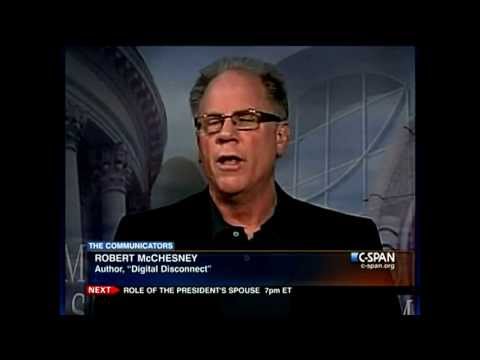
McChesney has given a number of interviews and public appearances, including a TED Talk on the subject of media reform. He has also appeared on a range of television and radio programs, including Democracy Now! and The Real News. McChesney's work has been widely cited and debated, and he has been a vocal critic of the mainstream media and the corporate media. His research has also explored the importance of media reform and the need for a more diverse and independent media system. McChesney has argued that the media should be seen as a public trust, rather than a private commodity, and has advocated for a range of reforms, including the establishment of public media and the promotion of independent media.
🌐 Global Impact and Reception
McChesney's work has had a significant impact globally, with his books and articles being translated into a number of languages. He has also been recognized as one of the leading scholars in the field of Media Studies, and has been awarded a number of prizes and honors for his work. McChesney's research has been influenced by scholars such as Edward Herman and John Nichols, and has in turn influenced a generation of media scholars and activists. His work has also explored the importance of globalization and the impact of neoliberalism on the media. McChesney has argued that the increasing commercialization of the media has led to a decline in the quality and diversity of news and information available to the public, and has advocated for a range of reforms, including the establishment of public media and the promotion of independent media.
🤔 Criticisms and Controversies
McChesney's work has not been without criticism, with some scholars and activists arguing that his views on the media are too pessimistic. Others have argued that his work does not adequately address the role of new media and the Internet in shaping the media landscape. McChesney has responded to these criticisms by arguing that the media are a complex and multifaceted system, and that any attempt to reform the media must take into account the full range of factors that shape the media landscape. His research has been influenced by scholars such as Dallas Smythe and Graham Murdoch, and has in turn influenced a generation of media scholars and activists. McChesney's work has also explored the importance of media reform and the need for a more diverse and independent media system.
📈 Legacy and Future Directions
McChesney's legacy and future directions are the subject of ongoing debate and discussion. Some scholars and activists argue that his work has been instrumental in shaping the field of Media Studies, and that his ideas and insights will continue to influence media scholarship and activism for years to come. Others argue that McChesney's work must be seen in the context of the broader media landscape, and that any attempt to reform the media must take into account the full range of factors that shape the media landscape. McChesney's research has been influenced by scholars such as Herbert Schiller and Noam Chomsky, and has in turn influenced a generation of media scholars and activists. His work has also explored the importance of media reform and the need for a more diverse and independent media system.
Key Facts
- Year
- 1952
- Origin
- United States
- Category
- Media Studies
- Type
- Person
Frequently Asked Questions
What is Robert McChesney's area of expertise?
Robert McChesney is a renowned American media theorist and author, best known for his work on the political economy of media and the impact of media concentration on democracy. His research has focused on the ways in which media concentration can undermine democratic institutions and limit the diversity of voices and perspectives in the public sphere. McChesney's work has been influenced by scholars such as Herbert Schiller and Noam Chomsky, and has in turn influenced a generation of media scholars and activists.
What are some of Robert McChesney's notable works?
McChesney has written extensively on the media and has published a number of books and articles on the subject. His notable works include Rich Media, Poor Democracy and The Problem of the Media. He has also edited a number of books, including Will the Last Reporter Please Turn Out the Lights. McChesney's work has been widely praised for its insight and analysis, and he has been recognized as one of the leading scholars in the field of Media Studies.
What is Robert McChesney's view on media reform?
McChesney has argued that the media should be seen as a public trust, rather than a private commodity, and has advocated for a range of reforms, including the establishment of public media and the promotion of independent media. He has also highlighted the importance of media reform and the need for a more diverse and independent media system. McChesney's research has been influenced by scholars such as Dallas Smythe and Graham Murdoch, and has in turn influenced a generation of media scholars and activists.
How has Robert McChesney's work been received globally?
McChesney's work has had a significant impact globally, with his books and articles being translated into a number of languages. He has also been recognized as one of the leading scholars in the field of Media Studies, and has been awarded a number of prizes and honors for his work. McChesney's research has been influenced by scholars such as Edward Herman and John Nichols, and has in turn influenced a generation of media scholars and activists.
What are some of the criticisms of Robert McChesney's work?
McChesney's work has not been without criticism, with some scholars and activists arguing that his views on the media are too pessimistic. Others have argued that his work does not adequately address the role of new media and the Internet in shaping the media landscape. McChesney has responded to these criticisms by arguing that the media are a complex and multifaceted system, and that any attempt to reform the media must take into account the full range of factors that shape the media landscape.